Authentic Spanish Seafood Pael
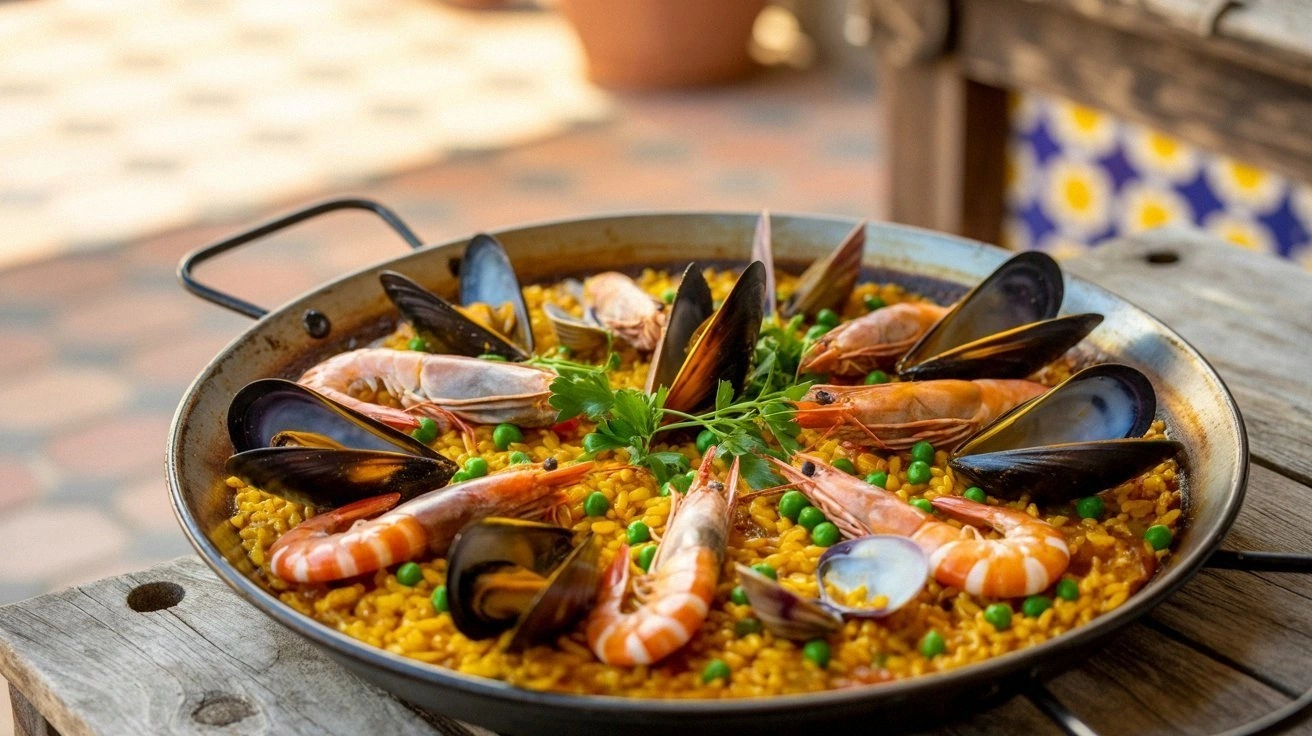
Picture this: a Sunday afternoon, the kitchen smelling like a Mediterranean breeze, and your friend daring you to make the most authentic seafood paella ever. I was skeptical at first, but the moment the saffron hit the pan, I knew I’d found a recipe that could turn any ordinary meal into a celebration. The aroma of garlic and smoked paprika dancing over a sizzling pan was so intoxicating that I almost forgot the clock. I was on a mission: to capture the true spirit of a Spanish seaside town in a single dish, and I’m not going to let anything slip through the cracks. This version is not just a recipe; it’s a passport to a place where the sea meets the earth, and every bite tells a story. Let me walk you through every single step — by the end, you’ll wonder how you ever made it any other way.
What Makes This Version Stand Out
- Authenticity: Every ingredient is chosen to mirror the flavors of a traditional Spanish paella, from the saffron threads to the fresh fish stock. The technique respects the original method, ensuring that the rice absorbs the broth just right.
- Balance: The harmony between sweet, smoky, and briny flavors is achieved with precise seasoning and a careful layering of seafood. This balance keeps every bite fresh and avoids the cloying sweetness that plagues many copycats.
- Texture: The rice is cooked to a perfect al dente bite, while the seafood remains tender yet distinct. The slight char on the bottom creates a socarrat that’s the hallmark of a great paella.
- Time Efficiency: Although it feels like a labor of love, the recipe is designed to be completed in under an hour, making it ideal for week‑night dinners or weekend gatherings.
- Versatility: Swap out the seafood for chicken or keep it vegetarian; the core technique remains the same, ensuring the dish stays true to its roots.
- Presentation: The vibrant colors of the peppers, tomatoes, and sea life make the dish a feast for the eyes as well as the palate.
Inside the Ingredient List
The Flavor Base
The foundation of any great paella is its base: sautéed aromatics and a rich broth. Start by heating olive oil in a large pan, then add finely diced onion, minced garlic, and sliced bell pepper. Cook until the vegetables soften and release their sweet perfume, creating a savory canvas. The addition of diced tomatoes adds acidity that balances the richness of the seafood and the saffron-infused rice.
The Texture Crew
Rice is the star of the show, but its texture is what turns a good paella into a legendary one. Use short-grain rice like Bomba or Calasparra for maximum absorption. Measure 1½ cups per four servings, and rinse until the water runs clear to remove excess starch. When you add the broth, keep the heat moderate to allow the grains to steam gently and release their natural creaminess.
The Unexpected Star
Saffron isn’t just a color enhancer; it brings a subtle floral note that pairs beautifully with seafood. Soak ½ teaspoon of threads in a tablespoon of warm water for 10 minutes, then pour the infusion into the pan. This step unlocks the full spectrum of the saffron’s aroma and ensures a uniform golden hue across the rice.
The Final Flourish
Garnishes and finishing touches can elevate the dish from great to unforgettable. Sprinkle fresh parsley, squeeze lemon wedges, and sprinkle a pinch of smoked paprika before serving. These bright accents cut through the richness, adding a burst of freshness that lingers on the palate. Remember, the presentation is part of the experience; arrange the seafood artfully so each bite is a visual and gustatory delight.
Everything's prepped? Good. Let's get into the real action.
The Method — Step by Step
- Heat the olive oil over medium heat in a large paella or sauté pan. Add the diced onion, minced garlic, and sliced bell pepper, sautéing until the mixture turns translucent and fragrant. The goal is to create a savory base without browning the vegetables too much; this will keep the broth clear.
- Stir in the diced tomatoes, smoked paprika, and saffron infusion. Let the mixture simmer for 3–4 minutes, allowing the tomatoes to break down and the spices to bloom. Watch the colors deepen—this is the moment the dish starts to look alive.
- Add the rice, stirring to coat each grain with the aromatic mixture. Cook for 2 minutes, ensuring the rice absorbs some of the oil and spices before the liquid is added.
- Pour in the fish stock and a splash of dry white wine, then bring the mixture to a gentle boil. Once boiling, reduce the heat to low, cover, and let it simmer for 10 minutes, allowing the rice to start absorbing the broth.
- Introduce the shrimp, mussels, clams, calamari, and squid. Distribute them evenly across the pan; this ensures each bite contains a variety of textures. Cover and cook for another 8 minutes, or until the seafood is opaque and the mussels/clams have opened.
- Add the peas, sliced chorizo, and a pinch of salt and pepper. Stir gently to mix the flavors without disturbing the rice’s surface. The peas add a pop of color and a slight sweetness that balances the brine of the seafood.
- Let the paella rest uncovered for 5 minutes. This resting period allows the rice to finish cooking and the flavors to meld. The rice should be tender but still hold its shape.
- Finish with a drizzle of olive oil, a squeeze of lemon, and a sprinkle of fresh parsley. Arrange the lemon wedges on the side for guests to squeeze as they like. Serve immediately, and watch the crowd react—this is the moment of truth.
That's it — you did it. But hold on, I've got a few more tricks that'll take this to another level.
Insider Tricks for Flawless Results
The Temperature Rule Nobody Follows
Many cooks think a high simmer is ideal, but a gentle, steady boil actually produces the best rice texture. Keep the heat low enough that the liquid is just below a rolling boil; this ensures even cooking and prevents the rice from drying out. I once tried a high flame and ended up with a scorched bottom—no thanks!
Why Your Nose Knows Best
Before you add the final pinch of salt, inhale deeply. A well‑seasoned paella should smell like a seaside breeze and a hint of citrus. If it feels flat, add a little more salt or a splash of lemon juice to bring out the flavors. Trust your nose—taste tests are the real judge.
The 5-Minute Rest That Changes Everything
Letting the paella rest uncovered for five minutes after cooking is a secret that most people skip. During this time, the rice continues to absorb moisture, becoming silky yet firm. The rest also allows the flavors to meld, giving each bite a cohesive profile.
Use a Paella Pan or a Wide Skillet
The shape of your pan matters. A wide, flat pan distributes heat evenly, giving you that coveted socarrat. If you don’t have a paella pan, a large sauté pan works fine, but just be sure it’s wide enough to hold all the ingredients without crowding.
Keep the Seafood Fresh
Freshness is non‑negotiable. When you buy shrimp, mussels, and clams, look for a bright, slightly briny smell. Avoid any seafood that has a sour or metallic odor—that’s a sign it’s past its prime. Fresh seafood guarantees a tender bite and a clean finish.
Creative Twists and Variations
This recipe is a playground. Here are some of my favorite ways to switch things up:
Chicken & Chorizo Paella
Swap the seafood for diced chicken thighs and keep the chorizo. The result is a hearty, protein‑rich dish that still carries the signature saffron flavor. This version is perfect for those who prefer a non‑seafood option.
Vegetarian Paella
Omit all seafood and add a generous handful of artichoke hearts, sliced zucchini, and mushrooms. The vegetables absorb the broth beautifully, creating a colorful, plant‑based masterpiece. It’s still packed with flavor, just without the oceanic tang.
Smoky Paprika Paella
Increase the smoked paprika to two teaspoons and add a dash of cayenne pepper for heat. The smoky depth pairs wonderfully with the briny seafood, giving the dish a bold, adventurous edge. This variation is great for spice lovers.
Seafood & Lobster Paella
Add lobster tail pieces to the mix for an indulgent twist. The sweet, buttery lobster complements the shrimp and mussels, creating a luxurious, restaurant‑style paella. Serve with a side of garlic aioli for extra decadence.
Herb‑Infused Paella
Add a handful of fresh cilantro and basil during the final stir. The herbal notes brighten the dish and provide a fresh counterpoint to the rich saffron and seafood flavors. This version is especially refreshing on a hot day.
Low‑Carb Paella
Replace the rice with cauliflower rice or a mix of quinoa and rice. The texture changes, but the flavor profile remains intact. This option is ideal for those watching their carb intake while still craving a taste of Spain.
Storing and Bringing It Back to Life
Fridge Storage
Store leftovers in an airtight container in the refrigerator for up to 3 days. Reheat gently on the stovetop, adding a splash of water or broth to maintain moisture. The rice will retain its texture, and the seafood will stay tender.
Freezer Friendly
Wrap the paella tightly in plastic wrap and then in foil before freezing. It will keep well for up to 2 months. Thaw overnight in the refrigerator, then reheat on the stovetop with a little water or broth. The flavor remains robust, and the rice stays fluffy.
Best Reheating Method
Reheat in a skillet over medium heat, stirring occasionally, until warmed through. A small splash of water or broth helps to revive the rice’s moisture. Finish with a drizzle of olive oil and a squeeze of fresh lemon to bring back the bright finish.