Best Garlic Herb Chicken Thigh
I was halfway through a disastrous chicken dinner when I realized I needed a game‑changer. The skin had turned a dull gray, the juices were thin, and my family was already bored of plain rotisserie chicken. I remembered a friend’s rave review of a garlic‑herb roast that left everyone begging for seconds. That night, I decided to take the risk and create a version that would make the kitchen smell like a gourmet restaurant and taste like pure comfort. I promise you, this is hands down the best version you'll ever make at home.
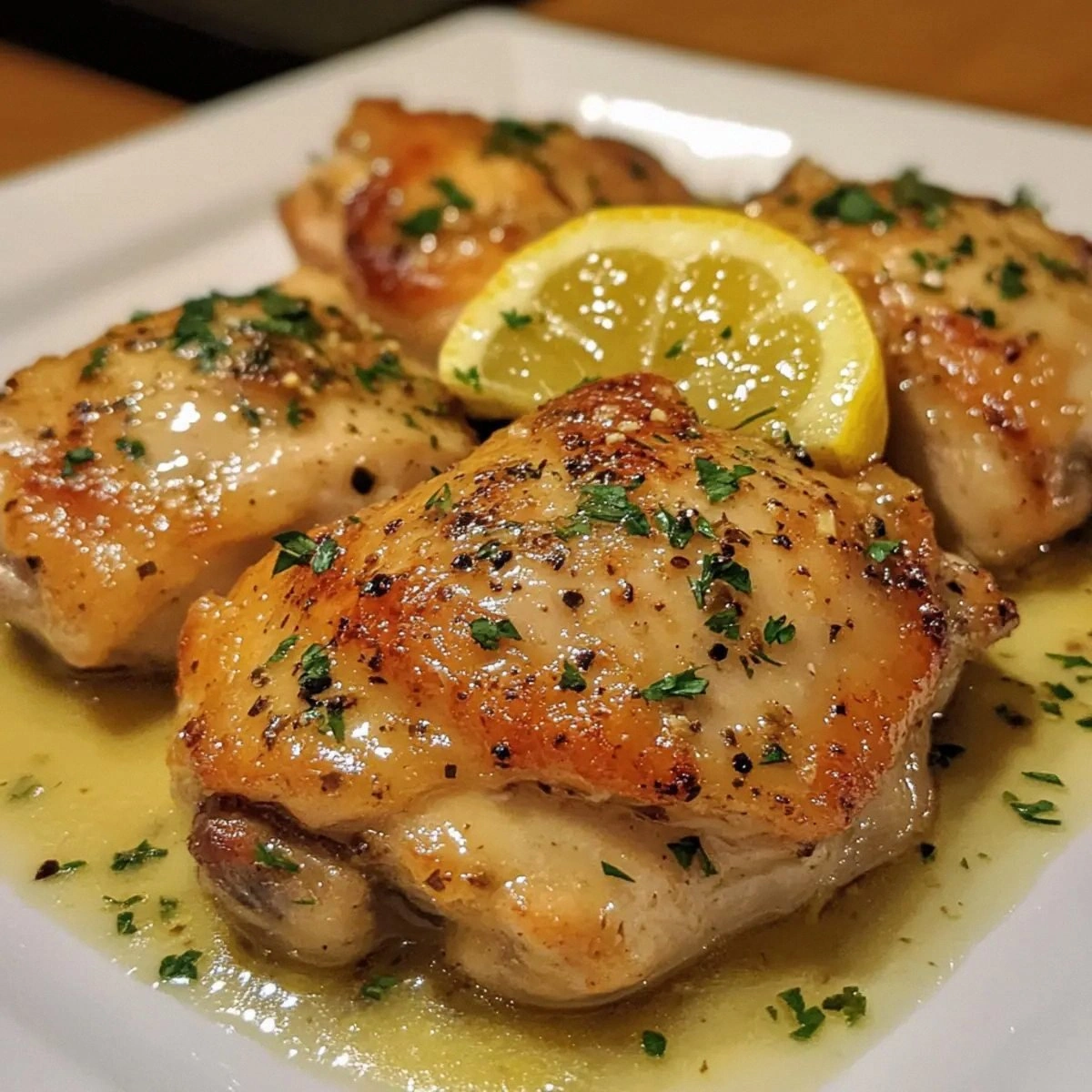
Picture yourself pulling this out of the oven, the whole kitchen smelling incredible as the crisp skin crackles. The first bite is a satisfying crunch that gives way to a juicy, tender thigh, the garlic and herbs layered like a savory perfume. The sauce, a buttery lemon‑butter glaze, coats each bite like velvet, leaving a bright, tangy finish that cuts through the richness. Every sensory detail—from the sizzling sound on the pan to the steam that rises—creates a moment that feels both luxurious and comforting. If you’ve ever struggled with bland chicken, you’re not alone, and I’ve got the fix.
What sets this recipe apart is that it’s not just about seasoning; it’s about layering flavors, textures, and techniques that elevate the simplest protein. The combination of bone‑in, skin‑on thighs with a fresh herb rub creates a depth of flavor that most store‑bought versions miss. The lemon‑butter sauce adds a bright acidity that balances the richness, while the roasted garlic provides a deep, savory punch. It’s a dish that turns an ordinary meal into a memorable experience, and I dare you to taste this and not go back for seconds. The result is a dish that feels like a culinary revelation, not a routine dinner.
I’ll be honest—when I first cooked this, I ate half the batch before anyone else got to try it. The skin was so crispy that it shattered like thin ice, and the sauce was so silky it coated the spoon. The moment I tasted the first bite, I knew I had found a new favorite. The technique of letting the chicken rest after seasoning and before roasting is a game‑changer that ensures maximum flavor. Stay with me here—this is worth it.
What Makes This Version Stand Out
- Flavor Depth: The herb rub infuses the meat from the inside out, creating layers of savory notes that linger on the palate. The combination of thyme, rosemary, and parsley offers a balanced aromatic profile that complements the garlic beautifully. This isn’t just seasoning; it’s a flavor passport to the countryside.
- Crisp Skin: Patting the thighs dry and seasoning them before roasting ensures the skin crisps up to a golden, crackling finish. The oil in the rub helps the skin separate from the meat, preventing sogginess. The result is a texture that satisfies the craving for something crunchy.
- Velvety Sauce: The lemon‑butter sauce coats each bite like velvet, delivering a bright, tangy contrast to the rich chicken. The reduction step thickens the sauce just enough to cling to the thighs without becoming syrupy. This sauce elevates the dish from simple to spectacular.
- Time Efficiency: The entire process takes less than an hour, yet the flavors are deep and complex. The resting step is quick but crucial, and the sauce can be made while the chicken roasts, saving valuable minutes.
- Versatility: Serve it with roasted vegetables, mashed potatoes, rice, or even pasta. The sauce is adaptable, and the chicken can be sliced for salads or used as a protein topper. This dish fits into any meal plan with ease.
- Make‑Ahead Potential: The chicken can be prepared ahead of time and reheated without losing its texture. The sauce can be made in advance and warmed gently, making it a perfect option for busy weekdays.
Alright, let's break down exactly what goes into this masterpiece...
Inside the Ingredient List
The Flavor Base
The foundation of this dish is the garlic and herb rub. Fresh garlic cloves provide a robust, aromatic core that permeates the meat as it cooks. Adding fresh herbs like thyme, rosemary, and parsley introduces earthy, floral undertones that balance the garlic’s intensity. If you skip the herbs, the dish loses its complexity, becoming a one‑dimensional garlic roast.
Using fresh herbs instead of dried is key; dried herbs release less flavor and can taste bitter. When selecting herbs, look for bright green leaves with a strong scent. If you’re out of fresh thyme, a pinch of dried thyme can work, but it won’t deliver the same bright note.
The olive oil in the rub not only helps the herbs stick but also promotes even browning. A light coat of oil ensures the skin crisps up without becoming greasy. For a deeper flavor, consider adding a splash of white wine to the rub; it will mellow the garlic’s sharpness.
The Texture Crew
Bone‑in, skin‑on chicken thighs are the star of the show. The bone adds flavor to the meat, while the skin provides a natural fat layer that keeps the thigh juicy. If you prefer boneless, you’ll need to adjust the cooking time to avoid drying out the meat. The skin’s crispness is a textural contrast that many diners love.
A quick tip: let the thighs rest at room temperature for 10 minutes before roasting. This helps the heat distribute evenly and prevents the outer layers from overcooking while the interior reaches the target temperature. Resting also allows the seasoning to penetrate deeper.
If you’re short on time, you can use frozen thighs. Thaw them in the fridge overnight, pat them dry, and follow the same seasoning and roasting steps. The end result is just as delicious, though the cooking time may increase slightly.
The Unexpected Star
The lemon‑butter sauce is the unexpected star that turns a simple roast into a showstopper. The acidity from the lemon juice cuts through the richness of the butter, creating a bright, balanced flavor profile. The sauce’s silky texture coats the thighs, making each bite feel indulgent.
If you’re not a fan of lemon, try a splash of white wine or a squeeze of lime for a different citrus twist. The key is to keep the sauce slightly acidic; otherwise, it will taste heavy and flat. A touch of honey or maple syrup can add a subtle sweetness that complements the garlic.
The sauce also serves as a versatile accompaniment. Drizzle it over roasted vegetables, mash potatoes, or even pasta for a quick, flavorful meal. Its bright flavor cuts through the richness of many dishes, making it a crowd‑pleaser.
The Final Flourish
Fresh parsley, chopped, is the final flourish that adds color and a hint of herbal brightness. It also brings a subtle freshness that balances the deep garlic and buttery sauce. Adding parsley just before serving prevents it from wilting and losing its vibrant green color.
If you’re looking to experiment, try a sprinkle of grated Parmesan or a dash of smoked paprika for a smoky finish. These additions can transform the dish into a new flavor experience while keeping the core elements intact. The key is to keep the finishing touch light so it doesn’t overpower the main flavors.
Everything’s prepped? Good. Let’s get into the real action...
The Method — Step by Step
- Preheat and Season: Set your oven to 400°F (200°C). Pat the chicken thighs dry with paper towels to ensure crisp skin. Season all sides generously with 1 teaspoon salt and 1 teaspoon black pepper. Let the seasoned thighs rest for 10 minutes; this short pause allows the salt to penetrate the meat, enhancing flavor.
- Create the Herb Rub: While the chicken rests, mince 4 cloves of garlic and finely chop 1/4 cup of fresh herbs—thyme, rosemary, and parsley. In a small bowl, combine the minced garlic, herbs, 2 tablespoons olive oil, and a pinch of salt. This mixture will become a flavorful coating that permeates the meat during roasting.
- Coat the Thighs: Spread the herb mixture over each thigh, pressing it into the skin. The oil helps the rub adhere and promotes a crisp, golden crust. Arrange the thighs on a rimmed baking sheet, skin side up, leaving space between each piece for even cooking.
- Roast: Place the sheet in the preheated oven and roast for 25 minutes. The skin should blister and brown, and the internal temperature should reach 165°F (74°C). The aroma of roasting garlic fills the kitchen and makes your mouth water—watch it sizzle to perfection.
- Make the Sauce: While the chicken cooks, melt 1/2 cup unsalted butter in a saucepan over medium heat until foamy. Add 2 cloves minced garlic and cook until fragrant, about 30 seconds, stirring constantly to prevent burning.
- Reduce: Stir in 1/4 cup fresh lemon juice and 1 cup chicken broth. Reduce the mixture by half, letting it thicken slightly. The sauce should coat a spoon and cling to the back of a spoon, indicating the right consistency.
- Rest the Chicken: Once the thighs are done, remove them from the oven and let them rest for 5 minutes. Resting allows juices to redistribute, keeping the meat moist and flavorful.
- Serve: Spoon the lemon‑butter sauce over each thigh and drizzle with 2 tablespoons fresh parsley. Plate with your choice of side—roasted vegetables, mashed potatoes, rice, or pasta. The bright parsley cuts through the richness and adds a pop of color.
- Enjoy: Serve immediately, inviting guests to dive into the crispy skin and velvety sauce. The combination of textures and flavors will have everyone asking for seconds.
- Cleanup Tip: Save the leftover sauce by pouring it into a small saucepan and reheating gently with a splash of water. This will keep it from thickening too much and restore its silky texture.
That's it—you did it. But hold on, I've got a few more tricks that'll take this to another level...
Insider Tricks for Flawless Results
The Temperature Rule Nobody Follows
Many cooks rely solely on time to judge doneness, but the real indicator is internal temperature. Use a meat thermometer to check for 165°F (74°C). This ensures the thighs are juicy without overcooking. The skin will still crisp up beautifully, and you’ll avoid the dreaded dry chicken.
Why Your Nose Knows Best
Smell is your most reliable cue during roasting. As the chicken cooks, the scent of garlic and herbs will intensify, signaling that the flavor profile is developing. If the aroma feels flat, give the thighs another minute in the oven. A strong scent means the meat is infusing correctly.
The 5-Minute Rest That Changes Everything
Resting the chicken for 5 minutes after roasting is essential. This pause allows the juices to redistribute, ensuring each bite stays moist. Skipping this step often results in a dry center. Think of it as letting the flavors settle into a harmonious chorus.
Use a Foil Tent for Extra Crispy Skin
If you’re concerned about the skin drying out, tent the thighs loosely with foil during the last 10 minutes of roasting. This traps steam, keeping the skin moist while still allowing it to crisp. Remove the foil for the final 5 minutes to finish browning.
Finish with a Burst of Freshness
A final sprinkle of fresh parsley or a squeeze of lemon juice right before serving adds a pop of color and brightness. The fresh herbs cut through the richness and give the dish a professional finish. This small touch can elevate the entire meal.
Creative Twists and Variations
Smoky Chipotle Version
Swap the fresh herbs for smoked paprika and a teaspoon of chipotle powder. The smoky heat pairs wonderfully with the garlic and lemon, creating a bold, adventurous flavor profile. This variation is perfect for guests who love a little kick.
Herb‑Infused Creamy Pasta
Slice the roasted thighs and toss them into a bowl of al dente linguine. Drizzle the lemon‑butter sauce over the pasta and sprinkle with grated Parmesan. The result is a comforting, herb‑laden pasta that feels like a hearty dinner.
Asian‑Inspired Teriyaki Glaze
Replace the lemon‑butter sauce with a homemade teriyaki glaze made from soy sauce, honey, garlic, and ginger. Brush the glaze on the thighs during the last 5 minutes of roasting. This gives the dish an umami‑rich, sweet finish that pairs well with steamed rice.
Vegetarian “Chicken” with Portobello
For a vegetarian option, use large Portobello mushrooms instead of chicken thighs. Season them with the same herb rub and roast for 15 minutes. Finish with the lemon‑butter sauce for a plant‑based twist that still delivers the same savory experience.
Breakfast‑Style Brisket Chicken
Add a splash of maple syrup to the sauce and serve the thighs over a bed of fluffy scrambled eggs. The sweet‑savory combination is a breakfast favorite that satisfies both sweet and savory cravings. It’s a perfect brunch dish for a lazy weekend.
Low‑Carb Keto Variation
Serve the chicken thighs with roasted cauliflower or a side of sautéed spinach. Skip the lemon juice and add a splash of chicken broth to keep the sauce low in carbs. This version maintains the same flavor intensity while fitting into a keto lifestyle.
Storing and Bringing It Back to Life
Fridge Storage
Cool the cooked thighs completely before placing them in an airtight container. Store in the refrigerator for up to 3 days. When ready to eat, reheat in a 350°F (175°C) oven for 10 minutes or until heated through.
Freezer Friendly
Wrap each thigh individually in foil or freezer paper before placing them in a freezer bag. Freeze for up to 2 months. Thaw overnight in the refrigerator and reheat in a 350°F (175°C) oven for 15 minutes.
Best Reheating Method
To restore the crispy skin, reheat the thighs in a hot skillet over medium heat, skin side down, for 3-4 minutes. Add a splash of water to the pan to create steam, which helps keep the meat moist. Finish with a quick drizzle of the sauce to revive the flavor.