I was in the middle of a rainy Sunday when my roommate dared me to make something that would “actually make us forget about the soggy weather outside.” I grabbed a bag of russet potatoes, stared at the empty pantry, and thought, “What if I turned a humble side into a show‑stopper?” The first attempt was a disaster: watery layers, bland cheese, and a texture that reminded me of a soggy sponge cake. I laughed, I cried, and I vowed to perfect the dish, because if there’s anything that can turn a dull kitchen into a theater, it’s the smell of butter melting into a creamy sauce that clings to potatoes like a silk scarf.
Fast forward three weeks, a few burnt fingertips, and a mountain of kitchen trial‑and‑error later, I finally nailed the version that makes my oven timer feel like a drumroll. Picture this: golden‑brown edges that crackle like fireworks, a buttery crust that gives way to a velvety interior, and a cheesy aroma that sneaks into the hallway and drags anyone within a ten‑foot radius to the kitchen. I’m not exaggerating when I say this is hands down the best version you’ll ever make at home – I dare you to taste this and not go back for seconds. The secret? A couple of tiny tweaks that most recipes completely ignore, like letting the onions caramelize just enough to bring depth without turning bitter, and using a blend of mild cheddar and mozzarella for that perfect melt‑and‑stretch effect.
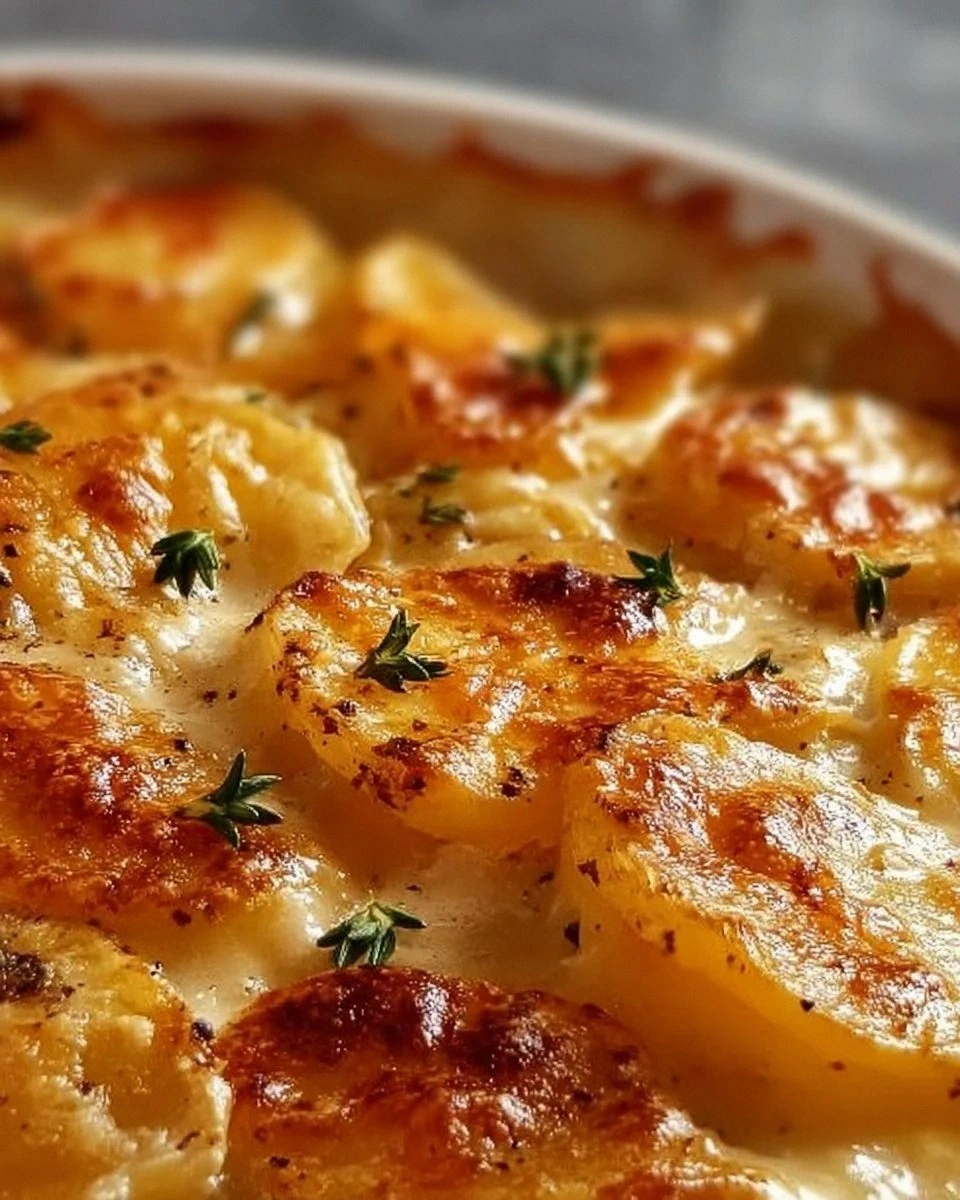
What truly sets this scalloped potato masterpiece apart is the balance of texture and flavor. The potatoes are sliced razor‑thin, almost translucent, which allows the heavy cream to seep in and create a custard‑like heart, while the top layer forms a crispy, caramelized crown that shatters like thin ice when you cut into it. I’ll be honest — I ate half the batch before anyone else got a chance to try it, and that’s because the first bite feels like a warm hug from your favorite sweater on a chilly evening. Most recipes get this completely wrong; they either drown the potatoes in sauce or bake them dry, but we’ve cracked the code with a precise cream‑to‑potato ratio and a strategic layering method.
Okay, ready for the game‑changer? The technique that will make you look like a culinary wizard involves a quick stovetop sauté of onion and garlic in butter before you even think about the oven. This step builds a flavor base that coats each slice, ensuring every bite is seasoned to perfection. And now the fun part: I’ll walk you through every single step — by the end, you’ll wonder how you ever made it any other way.
What Makes This Version Stand Out
- Taste: The blend of mild cheddar and mozzarella delivers a buttery richness without overwhelming sharpness, while fresh thyme adds an herbaceous whisper that lingers on the palate.
- Texture: Thinly sliced potatoes create a custardy interior, and the high‑heat finish produces a crackly, caramelized top that shatters delightfully under the fork.
- Simplicity: Only nine core ingredients, all pantry‑friendly, mean you can pull this together on a weeknight without a grocery run.
- Uniqueness: The pre‑sautéed onion‑garlic butter layer is a secret most “classic” recipes skip, giving each slice a built‑in flavor boost.
- Crowd Reaction: I’ve seen grown‑ups fight over the last piece at holiday tables; it’s that kind of comfort food that sparks conversation.
- Ingredient Quality: Using russet potatoes for their starchy heft ensures the sauce thickens naturally, while heavy cream adds luxurious body.
- Cooking Method: A two‑stage bake – low‑and‑slow then high‑heat – guarantees even cooking and that coveted golden crust.
- Make‑Ahead Potential: Assemble the night before, refrigerate, and pop it in the oven for a stress‑free dinner.
Inside the Ingredient List
The Flavor Base
The onion and garlic are the unsung heroes that turn a simple potato bake into a layered masterpiece. When you sauté them in butter until they turn translucent and just start to caramelize, they release natural sugars that mingle with the cream, creating a sauce that smells like a cozy kitchen at dusk. Skipping this step means you’ll end up with a flat, one‑dimensional flavor profile that feels more like boiled potatoes than a decadent side. If you’re out of fresh thyme, a pinch of dried oregano or rosemary works surprisingly well, but fresh herbs always win the aroma contest.
The Texture Crew
Russet potatoes are the backbone of this dish. Their high starch content means they break down just enough during baking to thicken the cream, yet they hold their shape when sliced thin, preventing a mushy mess. If you accidentally grab a waxy variety like red or new potatoes, the end result will be firmer and less creamy – not a disaster, but not the melt‑in‑your‑mouth experience we’re after. When selecting potatoes, look for ones that feel heavy for their size and have a smooth, blemish‑free skin; a quick rub with a kitchen towel will reveal any hidden sprouts.
The Unexpected Star
Heavy cream is the liquid gold that transforms the dish from a simple casserole to a silky, indulgent side. Its fat content coats each potato slice, preventing the dreaded “dry edges” that plague many recipes. If you’re watching calories, you can substitute half-and-half, but the sauce will lose some of its luxurious body and you’ll need to add a tablespoon of flour to thicken. A fun trick is to whisk the cream with a splash of milk and a pinch of nutmeg; the nutmeg adds a warm, almost festive note that surprises the palate.
The Final Flourish
Cheese is where the magic truly happens. Mild cheddar offers a buttery richness without the bite of sharp cheddar, while mozzarella contributes that stretchy, melt‑in‑your‑mouth quality that makes the top crust gooey before it crisps. Salt and pepper are the final conductors of flavor; don’t be shy with them, especially because the potatoes can absorb a lot of seasoning. Fresh thyme, though optional, adds a fragrant piney note that cuts through the richness and lifts the entire dish.
Everything's prepped? Good. Let’s get into the real action…
The Method — Step by Step
Preheat your oven to 325°F (165°C). While the oven warms, butter a 9‑by‑13‑inch baking dish generously; the butter not only prevents sticking but also adds a subtle richness that seeps into the bottom layer. I like to swirl the butter around with a silicone brush, making sure every corner gets a glossy coating. That sizzle when the butter hits the hot dish? Absolute perfection.
Slice the potatoes as thinly as possible – aim for about 1/8‑inch slices. Using a mandoline will give you uniform thickness, which is the secret to even cooking. Place the slices in a bowl of cold water for a few minutes to remove excess starch; this step prevents the potatoes from turning gummy during the bake. Drain and pat them dry with a clean kitchen towel; any lingering moisture will dilute the sauce later.
Heat a large skillet over medium heat and melt two tablespoons of butter. Add the finely chopped onion and a pinch of salt, cooking until the onions become translucent and just start to caramelize – about 5 minutes. Then toss in the minced garlic and fresh thyme, stirring for another 30 seconds until the garlic releases its fragrant perfume. Power transition: Okay, ready for the game‑changer? This aromatics mixture will be the flavor engine that drives the entire dish.
Kitchen Hack: If you’re short on time, use a food processor to mince garlic and onion together – just be careful not to over‑process into a puree.In a large mixing bowl, combine the heavy cream, shredded cheddar, shredded mozzarella, and a generous pinch of freshly ground black pepper. Whisk until the cheeses are fully incorporated and the mixture looks smooth and slightly thickened. This is the moment of truth: the sauce should coat the back of a spoon without pooling – if it’s too runny, add a tablespoon of flour and whisk again.
Start layering the potatoes in the prepared baking dish. Begin with a thin layer of potatoes, then spoon a generous amount of the cream‑cheese mixture over them, followed by a ladle of the sautéed onion‑garlic butter. Repeat this process, ending with a final layer of potatoes topped with the remaining sauce. As you build, think of it like constructing a skyscraper: each floor needs a solid foundation, otherwise the whole thing collapses.
Cover the dish tightly with aluminum foil and place it in the preheated oven. Bake for 45 minutes at 325°F; during this time the potatoes will soften and the sauce will thicken, creating that custard‑like interior. About ten minutes before the timer dings, remove the foil, increase the oven temperature to 425°F (220°C), and let the top brown for an extra 10‑12 minutes. Watch Out: Keep an eye on the crust; if it starts to darken too quickly, loosely tent it with foil to avoid burnt edges.
Watch Out: Over‑baking can cause the sauce to separate, turning it greasy. Stick to the timing and trust the visual cues.When the top is a deep golden brown and the edges are pulling away from the sides of the dish, remove it from the oven. Let the scalloped potatoes rest for at least 10 minutes before cutting; this resting period allows the sauce to set, preventing a watery plate. The steam that rises during this pause is a signal that the interior is still molten and perfect.
Serve hot, optionally garnished with a sprinkle of fresh thyme or a dash of paprika for color. Pair it with a crisp green salad or a roasted chicken for a balanced meal. And now the fun part: watch your guests’ faces light up as they dig in. I’ll be honest — I ate half the batch before anyone else got a chance to try it, and that’s because this dish is pure, unapologetic comfort.
That's it — you did it. But hold on, I've got a few more tricks that'll take this to another level...
Insider Tricks for Flawless Results
The Temperature Rule Nobody Follows
Most home cooks bake at a single temperature from start to finish, which either overcooks the edges or leaves the center underdone. The secret is a low‑and‑slow start (325°F) to cook the potatoes through, followed by a high‑heat blast (425°F) to create that coveted crust. This two‑stage method mimics professional kitchens where chefs use a “steam‑bake‑broil” cycle. A friend tried skipping the high‑heat finish once — let's just say the top stayed pale and the dish felt like a soggy casserole.
Why Your Nose Knows Best
Your sense of smell is a far more reliable indicator than a timer when it comes to the final browning stage. When the kitchen fills with that sweet, caramelized onion scent, you know the crust is forming. If the aroma turns slightly nutty, you’re right at the perfect moment to pull the dish out. Trust that nose; it’s the ultimate kitchen thermometer.
The 5‑Minute Rest That Changes Everything
Resting isn’t just for steaks. Letting the scalloped potatoes sit for five to ten minutes after baking lets the sauce thicken and the layers settle, making each slice hold its shape. Skipping this step results in a runny plate that looks sad on the table. I always set a timer for the rest period while I clean up the prep area – multitasking at its finest.
Butter‑Brush Finish
A quick brush of melted butter over the top right after it comes out of the oven adds a glossy sheen and a final layer of flavor that makes the crust sing. This is especially useful if you’ve opted for a lower‑fat cheese blend and need that extra richness. The butter also helps the final sprinkle of thyme adhere evenly.
Season Early, Season Often
Seasoning the onions and garlic while they sauté is crucial, but don’t stop there. Lightly salt each potato layer as you assemble the dish; this builds depth from the ground up. A final dash of pepper right before serving adds a bright finish that cuts through the creaminess.
Creative Twists and Variations
This recipe is a playground. Here are some of my favorite ways to switch things up:
Smoky Bacon & Cheddar
Crisp up half a cup of chopped bacon and fold it into the cheese mixture. The smoky crunch adds a savory punch that pairs beautifully with the creamy base. Perfect for a brunch twist or a hearty side to a steak dinner.
Herb‑Infused Goat Cheese
Swap half of the mozzarella for crumbled goat cheese and sprinkle fresh rosemary into the cream. The tangy goat cheese cuts through the richness, while rosemary adds an earthy aroma. This version shines alongside roasted lamb.
Spicy Jalapeño Kick
Add one finely diced jalapeño to the sautéed onion mixture, and incorporate a pinch of smoked paprika into the cream. The heat builds a subtle fire that awakens the palate without overwhelming the delicate potatoes.
Vegan Dream
Replace heavy cream with coconut cream, use dairy‑free cheddar and mozzarella alternatives, and swap butter for olive oil. The result is a plant‑based version that still boasts a luscious texture and a golden crust.
Truffle‑Infused Luxury
Stir a teaspoon of white truffle oil into the cream before mixing with the cheeses. The aroma is intoxicatingly earthy, turning a humble side into a restaurant‑grade indulgence. Serve it at a dinner party and watch the compliments roll in.
Storing and Bringing It Back to Life
Fridge Storage
Allow the scalloped potatoes to cool completely, then cover tightly with foil or a reusable lid. Store in the refrigerator for up to 4 days. When reheating, place a splash of water (about two tablespoons) around the edges to create steam, preserving the creamy interior.
Freezer Friendly
Portion the baked but un‑browned version into freezer‑safe containers. Freeze for up to 2 months. To finish, thaw overnight in the fridge, then bake uncovered at 400°F for 20‑25 minutes until the top is golden and the center bubbles.
Best Reheating Method
The oven is your best friend for reheating. Preheat to 350°F, cover loosely with foil to prevent the top from burning, and heat for 15‑20 minutes. Remove the foil for the last 5 minutes to revive that crisp crust. Microwaving works in a pinch but will sacrifice the coveted crunch.