I remember the night my kitchen turned into a comedy show. I was attempting to impress a group of friends with a fancy appetizer, but the dough refused to rise, the cheese melted into a gooey puddle, and the whole thing ended up looking like a sad, flat pancake. I stared at the mess, sighed, and thought, “There has to be a better way.” That moment sparked a revelation: what if the secret ingredient was the brie itself, not just an afterthought? The answer turned out to be a simple, buttery loaf that feels like a hug in bread form.
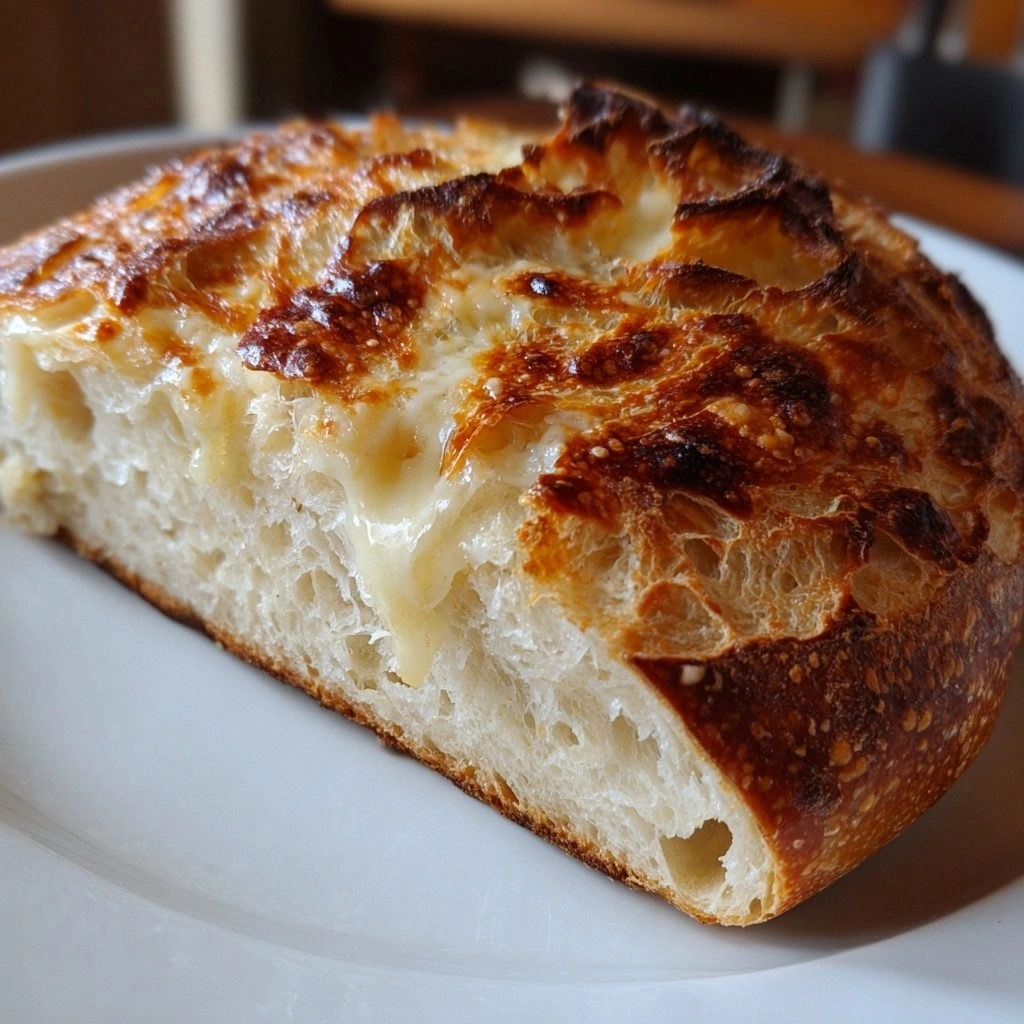
Picture this: the kitchen is quiet, the oven preheats, and the aroma of freshly baked dough mingles with the rich, creamy scent of brie. Your fingertips brush the dough as it expands, the dough’s surface glistening with a light sheen of olive oil. The sound of the oven timer ticking is a metronome that promises perfection. When the loaf emerges, its golden crust crackles like a crisp blanket, and a slice reveals a molten core that oozes like a decadent chocolate fondue. That sensory symphony is what makes this recipe stand out.
What makes this version of brie cheese bread the ultimate? It’s the marriage of simplicity and indulgence. The dough is made with a classic technique that ensures a tender crumb, while the brie is strategically placed to create pockets of gooeyness that burst with every bite. I dare you to taste this and not go back for seconds. The flavor profile is balanced—salty, buttery, slightly tangy from the cheese, and a subtle sweetness from the yeast fermentation. The texture is a contrast of a crisp exterior and a soft, airy interior. If you’ve ever struggled to get a bread that feels both comforting and luxurious, you’re not alone — and I’ve got the fix.
This isn’t just another cheesy bread; it’s a conversation starter, a crowd-pleaser, and a recipe that will become a staple in your culinary arsenal. The twist? I’ll reveal a technique that involves a simple butter glaze that caramelizes on the crust, giving it a glossy finish and a caramelized flavor that elevates the entire loaf. By the end of this post, you’ll wonder how you ever made brie cheese bread any other way.
What Makes This Version Stand Out
- Flavor: The brie is folded into the dough, creating pockets of molten cheese that melt into the crumb, giving each bite a burst of creamy, tangy richness.
- Texture: The dough’s airy crumb contrasts with a crisp, caramelized crust, delivering a satisfying crunch that gives way to a tender interior.
- Ease: The recipe uses a straightforward technique that even novice bakers can master, requiring minimal equipment.
- Versatility: It can be served warm as an appetizer, as a side to soups, or even turned into a sandwich base.
- Make‑Ahead: The dough can be prepared ahead of time and refrigerated or frozen, making it a perfect last‑minute option.
- Ingredient Quality: The use of high‑quality brie and fresh butter elevates the flavor profile beyond typical cheese breads.
- Visual Appeal: The golden crust with a glossy glaze makes it Instagram‑worthy, perfect for entertaining.
- Time Efficiency: Total prep and bake time stays under an hour, ideal for busy weeknights.
Alright, let’s break down exactly what goes into this masterpiece. The secret lies in how each component is treated, from the flour to the cheese.
Inside the Ingredient List
The Flavor Base
All-purpose flour is the backbone of this loaf, providing the structure that holds the cheese and butter together. Using a protein‑content flour (around 10‑11%) ensures a chewy yet tender crumb. If you prefer a lighter loaf, substitute half the flour with bread flour for extra rise.
Active dry yeast is the leavening agent that gives the dough its airy quality. The yeast needs warm, not hot, liquid to activate, so keep the milk at 110°F. Skip the yeast? The bread will be flat and dense, lacking that delightful lift we’re after.
The Sweetener and Salt
Sugar is a tiny but powerful component. It feeds the yeast, promotes browning, and balances the brie’s sharpness. A pinch of salt, on the other hand, amplifies all flavors and helps control yeast activity. Too much salt can kill the yeast, while too little can result in bland bread.
The Butter and Milk
Butter adds richness and a subtle caramel flavor to the crust. Melted butter is mixed into the dough, ensuring even distribution. Milk hydrates the flour, activates gluten, and gives the bread a slightly softer texture. Warm milk also helps activate the yeast.
The Unexpected Star
Brie cheese is the star. It’s soft, creamy, and melts beautifully. Slice it into thin wedges and fold them into the dough before the final proof. The cheese’s natural fats create steam pockets that help the loaf rise and give it that signature gooey center.
Everything’s prepped? Good. Let’s get into the real action.
The Method — Step by Step
- In a large mixing bowl, combine 2 cups of all‑purpose flour, 1 teaspoon of active dry yeast, 1 teaspoon of sugar, and 1 teaspoon of salt. Stir until the dry ingredients are evenly distributed. This creates the foundation for a well‑rising dough.
- In a separate saucepan, gently heat 1/2 cup of milk to 110°F. Add 2 tablespoons of melted butter and stir until the butter is fully incorporated. The warm liquid activates the yeast and infuses the dough with buttery richness.
- Pour the warm milk mixture into the dry ingredients. Use a wooden spoon or a dough hook attachment to mix until a shaggy dough forms. The dough should be slightly sticky but manageable; if it’s too dry, add a tablespoon of water.
- Turn the dough onto a lightly floured surface and knead for about 8–10 minutes until it becomes smooth and elastic. The gluten network develops, ensuring a chewy yet tender crumb. If you’re using a stand mixer, knead on medium speed for 6–8 minutes.
- Place the dough in a greased bowl, cover it with a clean towel, and let it rise in a warm spot for 1 hour or until it doubles in size. The dough should feel puffy and airy. This step is crucial for achieving a light interior.
- Punch down the dough gently to release excess air. Roll it into a rectangle and lay 4 ounces of brie cheese in thin wedges along one edge. Fold the dough over the cheese and roll it again to encase the cheese fully. This technique creates pockets of molten cheese that will melt during baking.
- Place the rolled loaf onto a parchment‑lined baking sheet. Brush the top with 1 tablespoon of olive oil and sprinkle with 1 teaspoon of dried oregano for a herby aroma. The oil helps the crust develop a beautiful golden color.
- Bake for 25–30 minutes, or until the crust is golden brown and the internal temperature reaches 190°F. The loaf should emit a buttery, cheesy scent that fills the kitchen. This is the moment of truth.
- Let the bread cool on a wire rack for 10 minutes before slicing. This allows the steam to escape and the cheese to set slightly, preventing it from oozing out too quickly.
- Serve warm, optionally with a side of fresh arugula salad or a drizzle of honey for a sweet contrast. The combination of savory cheese and sweet honey creates a flavor explosion that will have guests asking for seconds.
That’s it — you did it. But hold on, I’ve got a few more tricks that will take this to another level.
Insider Tricks for Flawless Results
The Temperature Rule Nobody Follows
The key to a crisp crust is oven temperature. Preheat the oven to 375°F with a baking stone, then raise the temperature to 400°F halfway through baking. This second heat surge caramelizes the crust without overcooking the interior. I once tried baking at a steady 375°F and the crust was fine, but the cheese didn’t melt as evenly.
Why Your Nose Knows Best
Baking is as much about smell as it is about sight. When the loaf starts to brown, the scent of toasted butter and brie will fill the kitchen. Trust that aroma as a cue that the crust is golden and the cheese is bubbling. If you’re unsure, gently lift the loaf to check the color; it should be a deep amber.
The 5‑Minute Rest That Changes Everything
After baking, let the bread rest for exactly five minutes before slicing. This short rest allows the steam inside to redistribute, giving the crumb a lighter feel. I’ve seen people slice immediately and get a gummy, cheese‑heavy bite; the rest fixes that.
Don’t Skip the Olive Oil Brush
The olive oil not only adds flavor but also creates a glossy finish that makes the loaf look professional. Brush the loaf a few minutes before baking to give it that shiny, caramelized look. If you skip it, the crust will be dull and less appetizing.
Keep the Dough Moist During Proofing
Cover the dough with a damp towel during the first rise. This prevents a dry crust from forming on the surface, which can lead to uneven baking. If you’re in a dry kitchen, a light spray of water on the towel works wonders.
Creative Twists and Variations
This recipe is a playground. Here are some of my favorite ways to switch things up:
Herbed Gouda Twist
Swap brie for sliced Gouda and add fresh thyme to the dough. The cheese offers a nutty flavor, while thyme provides an aromatic depth that pairs beautifully with the buttery crust.
Sun‑Dried Tomato and Basil
Incorporate chopped sun‑dried tomatoes and a handful of fresh basil into the dough. The tomatoes bring a sweet acidity that balances the cheese, and basil adds a fresh herbal note.
Spicy Jalapeño Jal
Add thin slices of jalapeño into the cheese pocket for a kick. The heat will contrast the creamy brie, creating a dynamic flavor profile that excites the palate.
Chocolate Ganache Finish
After baking, drizzle melted dark chocolate over the warm loaf. The chocolate’s bitterness pairs with the brie’s creaminess, producing a dessert‑style treat that’s both indulgent and sophisticated.
Savory Herb Crust
Mix dried rosemary and oregano into the dough and brush the top with olive oil before baking. The herbs infuse the crust with a fragrant aroma, making the loaf perfect for a rustic dinner party.
Lemon‑Zest Infusion
Add lemon zest to the dough for a bright, citrusy twist. The zest cuts through the richness of the cheese, creating a refreshing flavor that’s especially welcome in summer.
Storing and Bringing It Back to Life
Fridge Storage
Store the cooled loaf in an airtight container for up to 3 days. The crust may soften slightly, so consider wrapping it in parchment paper before placing it in the container to preserve its crispness.
Freezer Friendly
Wrap the loaf tightly in plastic wrap, then place it in a freezer bag. Freeze for up to 2 months. To thaw, let it sit at room temperature for 1 hour before reheating.
Best Reheating Method
Preheat the oven to 350°F. Place the loaf on a baking sheet and bake for 10 minutes, or until the crust is crisp and the cheese inside is melted. Add a splash of water to the bottom of the pan to create steam, keeping the crumb moist and preventing it from drying out.