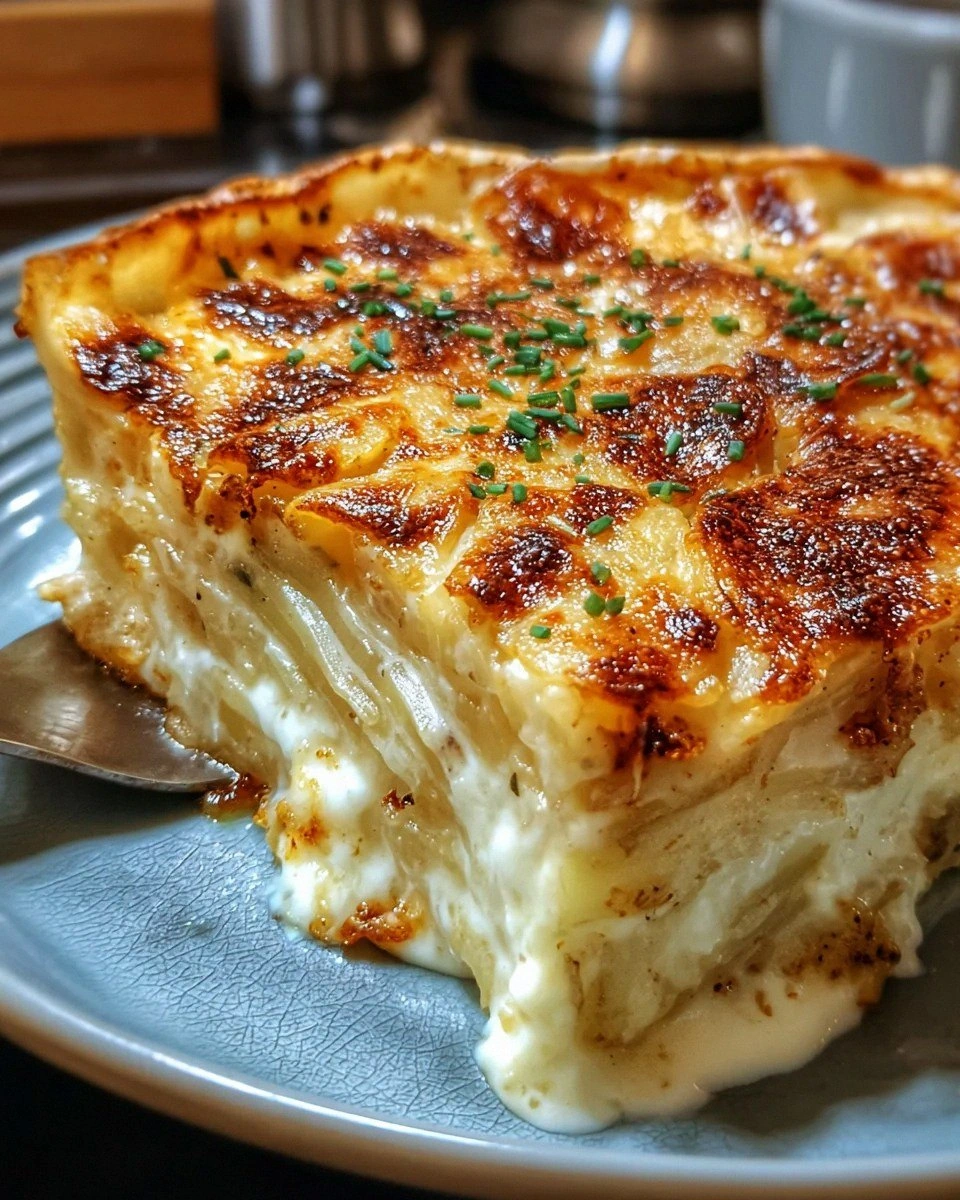
I was halfway through a pizza night when the timer went off, the cheese had melted, and the sauce had turned a murky brown. My friends called me a culinary disaster, but in the middle of that chaos I tasted a bite of something that made me stop and think: what if I could capture that gooey, savory, almost sinful flavor in a single pan? The answer arrived in the form of a cheeseburger macaroni skillet, a dish that turns a humble pot of pasta into a burger‑meets‑macaroni masterpiece with a cheesy twist that’s as comforting as it is daring. This isn’t just another recipe; it’s a confession of love to ground beef, cheese, and a little bit of daring. If you’ve ever tried a one‑pan meal that felt like a hug, you’ll know the stakes are high, and this one is the ultimate payoff.
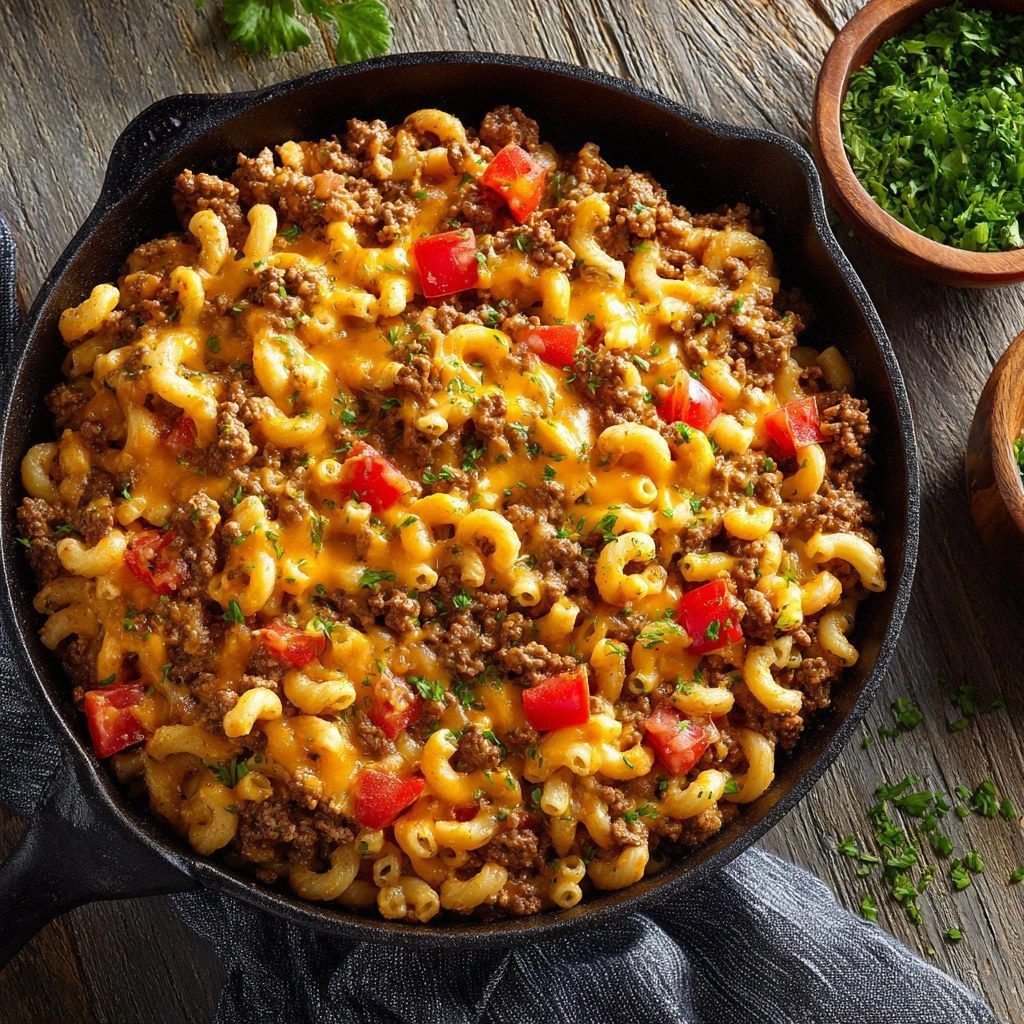
Picture the sizzling skillet, the aroma of onions caramelizing, and the sound of beef browning to a perfect mahogany crust. The smell of garlic and smoked paprika rising like a promise, the sight of pasta swirled in a rich tomato‑cheese broth, the feel of a buttery, creamy sauce that clings to every noodle. I swear the first bite was a revelation—velvety cheese coating, a slight crunch from the browned beef, and a subtle kick from the paprika that danced on the tongue. The texture is a glorious contrast: tender pasta, crisp edges of browned meat, and a sauce that’s thick enough to coat but thin enough to seep. The sound of the final stir, the crackle of butter melting, the sizzle that signals the dish is ready—every sense is engaged.
What makes this version stand out is not just the combination of flavors, but the precision of technique and the quality of ingredients. I dare you to taste this and not go back for seconds because the balance of savory, cheesy, and slightly smoky is impossible to resist. Most recipes get this completely wrong by overcooking the pasta or using too much cheese, but here every element is measured to create harmony. The sauce isn’t cloying; it’s silky and rich, the beef is juicy without being greasy, and the pasta remains al dente. This is hands down the best version you'll ever make at home, and I’m ready to walk you through every single step.
Before we dive in, let me give you a heads‑up: the trickiest part of this dish is getting the cheese melt just right. Too much heat and it becomes rubbery; too little and it won’t coat. I’ve perfected a method that keeps the cheese silky without burning the skillet. Stay with me here—this is worth it. Let me walk you through every single step—by the end, you'll wonder how you ever made it any other way.
What Makes This Version Stand Out
- Flavor: The marriage of beef, tomato, and a trio of cheeses creates a depth that feels like a burger in every bite.
- Texture: The pasta stays al dente while the beef forms a crisp, caramelized crust that adds a satisfying bite.
- Ease: One skillet, one pot—no separate pan for the beef or the pasta, which saves cleanup time.
- Cheese Layer: The blend of cheddar, mozzarella, and Parmesan melts into a silky coating that clings to noodles like velvet.
- Audience: It’s a crowd‑pleaser that works for family dinners, game‑day snacks, or a quick weeknight fix.
- Ingredient Quality: Using fresh ground beef, real cheese, and a splash of Worcestershire sauce elevates the dish beyond the usual takeout.
- Make‑Ahead Potential: It reheats beautifully, making it a great option for meal prep or a potluck spread.
- Unique Twist: The smoked paprika and garlic add a subtle smoky undertone that sets it apart from classic mac‑and‑cheese.
Inside the Ingredient List
The Flavor Base
Ground beef is the heart of this dish. It provides a robust, meaty flavor and a satisfying chew. If you prefer a leaner option, choose 80% lean or even a mix of beef and pork for extra juiciness. Skipping the beef would turn this into a plain pasta dish, losing the burger essence that defines the recipe.
The Texture Crew
Elbow macaroni is the classic choice because its shape holds sauce and cheese beautifully. The pasta’s ridges catch the creamy coating, ensuring every bite is indulgent. If you want a healthier twist, swap for whole‑wheat or chickpea pasta, but keep the cooking time in mind to avoid over‑softening.
The Unexpected Star
Smoked paprika isn’t just a color enhancer; it adds a subtle smokiness that mimics the char of a grilled burger. This small pinch elevates the dish from ordinary to unforgettable. If you’re allergic to paprika, a dash of chipotle powder can deliver a similar smoky depth.
The Final Flourish
A blend of cheddar, mozzarella, and Parmesan creates a layered cheese experience. Cheddar offers sharpness, mozzarella provides stretch, and Parmesan adds a nutty finish. Skipping one of these would diminish the cheese complexity and result in a flatter flavor profile.
Everything's prepped? Good. Let's get into the real action...
The Method — Step by Step
- Heat the skillet. Pour 2 tablespoons of olive oil into a large, heavy‑bottom skillet and turn the burner to medium‑high. As the oil warms, add the diced onion, sautéing until translucent and fragrant—about 3–4 minutes. The onion’s caramelization will set the flavor foundation.
- Introduce the aromatics. Stir in 2 cloves of minced garlic, 1 teaspoon of smoked paprika, and a pinch of crushed red pepper flakes if you’re feeling adventurous. Let the mixture sizzle for 30 seconds, ensuring the spices bloom without burning. The aroma should be inviting, like a campfire in the kitchen.
- Sear the beef. Add 1 pound of ground beef to the skillet, breaking it up with a wooden spoon. Cook until fully browned and no longer pink, about 5–7 minutes. The sizzling sound is a signal that the beef is ready to lock in its juices. This step is critical; a well‑seared beef layer adds depth and texture.
- Deglaze and simmer. Pour in 1 cup of beef broth, 1 cup of tomato sauce, 1 tablespoon of Worcestershire sauce, and 1/2 cup of milk. Stir to scrape up any browned bits from the bottom of the pan. Bring the mixture to a gentle simmer, letting the flavors meld. Watch Out: Be careful not to let the sauce boil too aggressively, or the milk may curdle, ruining the creamy texture.
- Cook the pasta. Stir in 8 ounces of elbow macaroni, ensuring the noodles are submerged in the sauce. Cover the skillet and let the pasta cook for 8 minutes, stirring occasionally to prevent sticking. The pasta should absorb the savory liquid and reach al dente perfection.
- Introduce the cheese. Reduce the heat to low. Add 2 tablespoons of butter, 1 cup of shredded cheddar, 1 cup of shredded mozzarella, and 1/2 cup of grated Parmesan. Stir continuously until the cheeses melt into a smooth, glossy sauce. Kitchen Hack: If the sauce thickens too quickly, add a splash of milk or a bit of pasta water to thin it out.
- Season to taste. Sprinkle 1 teaspoon of salt and 1/2 teaspoon of black pepper over the skillet. Stir well, allowing the seasonings to distribute evenly. Taste and adjust as needed; a touch more salt can brighten the dish.
- Rest and serve. Remove the skillet from heat and let it sit covered for 2 minutes. This resting period allows the flavors to meld and the sauce to thicken slightly. Sprinkle 1/2 cup of grated Parmesan on top for a nutty finish before serving hot.
That's it — you did it. But hold on, I've got a few more tricks that'll take this to another level. The next section will reveal insider tips that ensure every bite is flawless.
Insider Tricks for Flawless Results
The Temperature Rule Nobody Follows
Many cooks keep the heat too high during the cheese melt, resulting in a rubbery texture. Keep the skillet on low for the final 3 minutes of cheese incorporation. This gentle heat allows the cheeses to fuse smoothly without scorching, preserving that silky coat every noodle deserves.
Why Your Nose Knows Best
When the onions are caramelizing, you’ll notice a subtle nutty aroma. That scent is a cue that the onions are ready to move on. If you skip this step, the onions may stay raw, and the base flavor will be underdeveloped.
The 5‑Minute Rest That Changes Everything
Letting the skillet rest off the heat for 5 minutes, not 2, can intensify the sauce’s thickness and deepen the flavors. The residual heat continues to cook the pasta slightly, ensuring it’s perfectly al dente.
Add a Splash of Milk for Creaminess
If you find the sauce too thick after the cheese melts, add a tablespoon of milk to loosen it. This trick keeps the sauce from becoming clumpy while maintaining a luscious mouthfeel.
Use a Cast Iron Skillet for Even Heat
A cast iron skillet retains heat better, giving you a consistent temperature throughout the cooking process. This helps prevent hot spots that could burn the cheese or the beef.
Creative Twists and Variations
This recipe is a playground. Here are some of my favorite ways to switch things up:
Spicy Jalapeño Kick
Add diced jalapeños with the onions for a fiery bite. The heat pairs beautifully with the smoky paprika, creating a layered spice profile that satisfies heat lovers.
Bacon‑Lover’s Delight
Crisp bacon bits replace the ground beef, giving the dish a smoky, salty edge. The bacon’s fat enriches the sauce, making it richer without extra cheese.
Vegetarian Version
Swap the beef for crumbled tempeh or lentils. Keep the same cheese blend for that melty finish, and add a splash of soy sauce for umami.
Low‑Carb Twist
Use spiralized zucchini or shirataki noodles instead of pasta. The dish stays hearty while cutting carbs, and the noodles soak up the sauce wonderfully.
Mediterranean Flair
Replace the tomato sauce with roasted red pepper puree and add chopped kalamata olives. The olives provide briny depth, while the pepper puree adds sweet heat.
Breakfast Edition
Stir in a handful of fresh spinach and top with a fried egg before serving. The egg yolk adds richness, and the spinach brightens the dish with a pop of color.
Storing and Bringing It Back to Life
Fridge Storage
Cool the skillet completely before transferring the contents to an airtight container. Store in the refrigerator for up to 3 days. When ready to eat, reheat gently on the stovetop, adding a splash of water to loosen the sauce.
Freezer Friendly
Place the cooked dish in a freezer‑safe container and freeze for up to 2 weeks. Thaw overnight in the refrigerator before reheating. A tablespoon of milk or broth can help restore the sauce’s creaminess.
Best Reheating Method
Reheat on low heat, stirring frequently. Add a tiny splash of water or milk to keep the sauce from drying out. The dish will regain its original texture and flavor within 5–7 minutes.