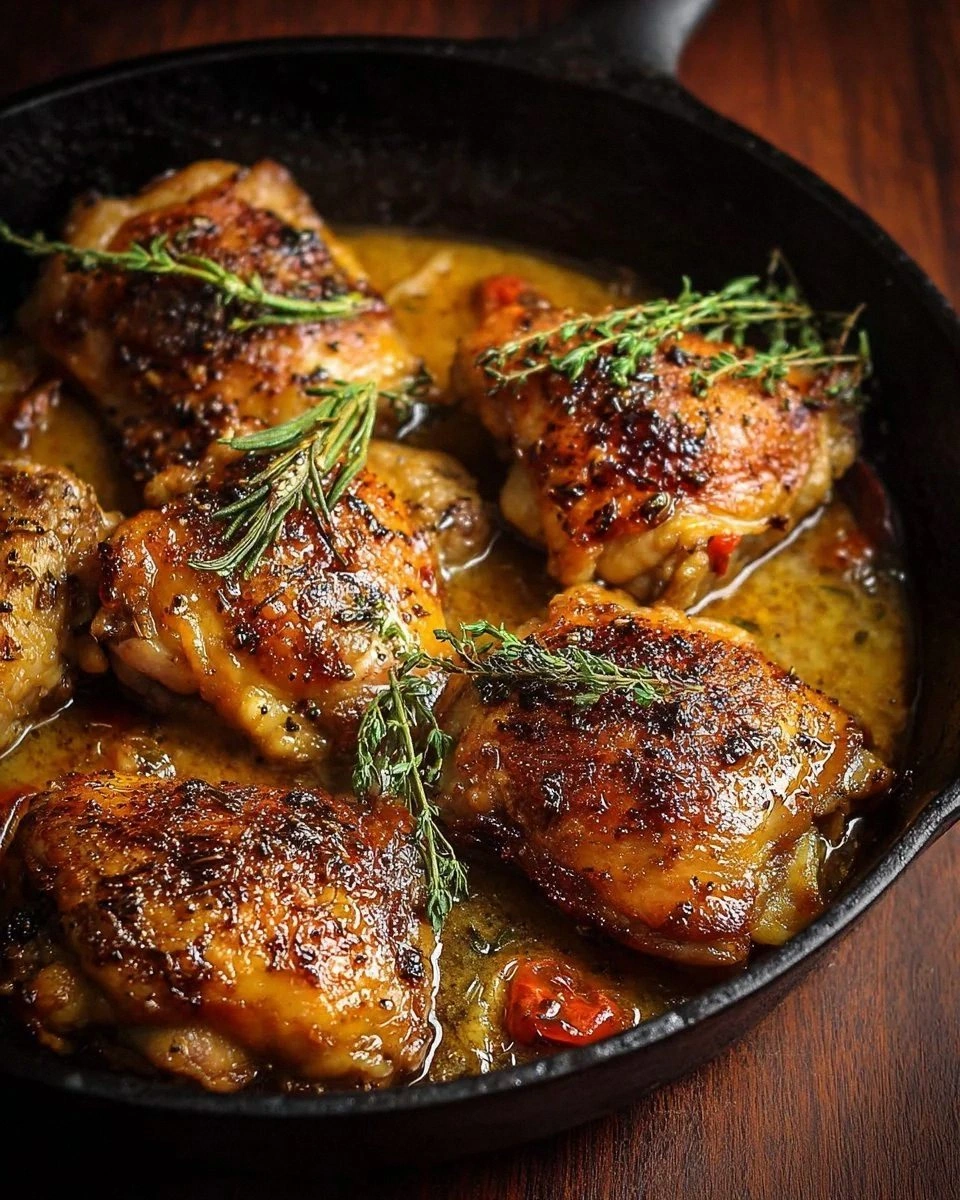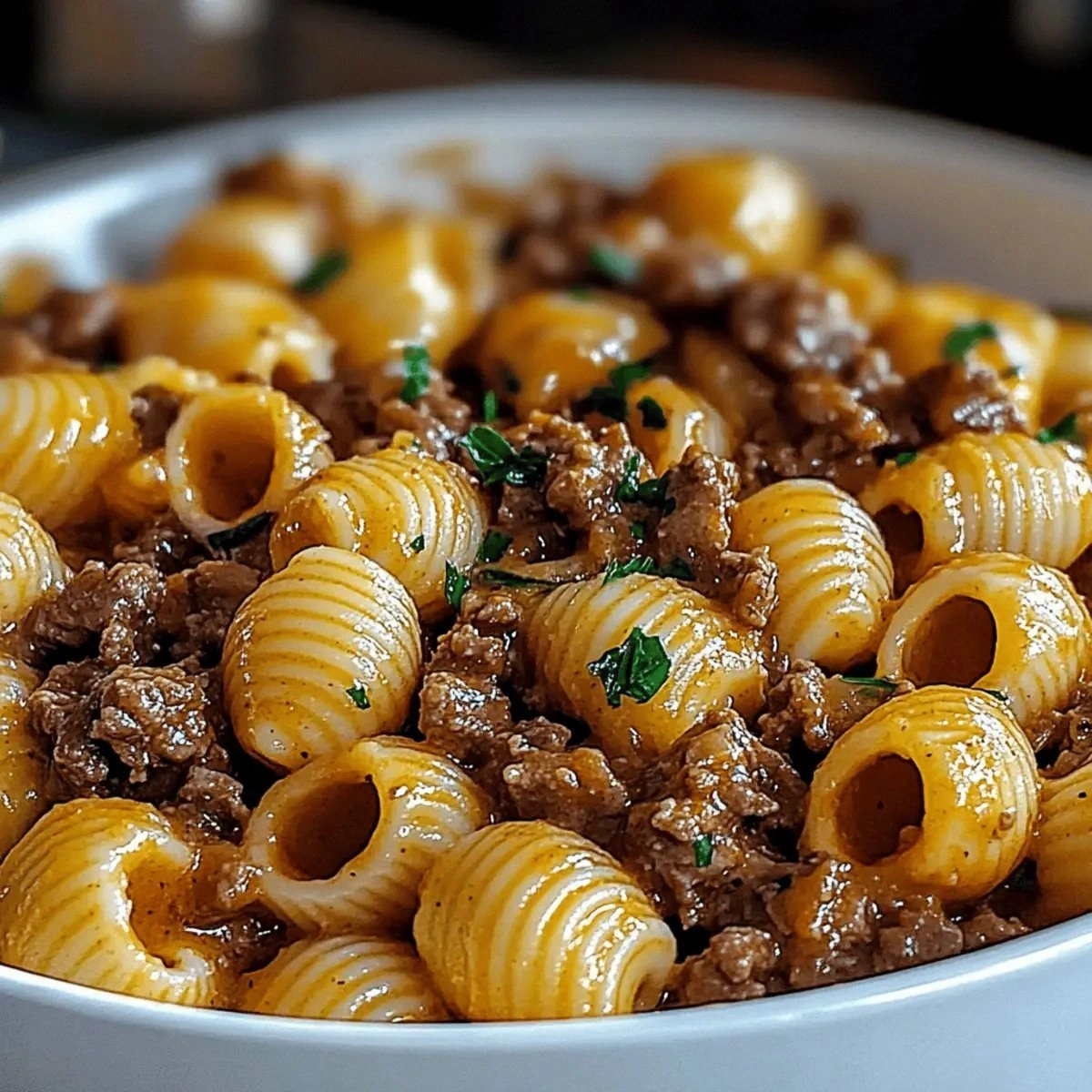
I was standing in my kitchen, staring at a half‑cooked pot of spaghetti that had somehow turned into a sticky, sad mess, when my roommate dared me to make something that would actually make us both want to stay home. I accepted the challenge, grabbed the nearest pan, and in a flash of inspiration (and a few frantic Googles) I threw together a dish that has since become my go‑to comfort food. The result? A bowl of creamy, beefy shells that felt like a warm hug from an old friend—rich, velvety, and impossibly satisfying. I’m still hearing the echo of that first bite, and I’m convinced you’ll feel the same way.
Picture this: the sizzle of ground beef hitting a hot skillet, the aroma of onions caramelizing, a swirl of heavy cream that thickens into a sauce that coats the pasta like velvet. The kitchen fills with the scent of Italian seasoning, and you can hear the faint pop of garlic as it releases its perfume. The shells themselves soak up every drop of that buttery broth, creating pockets of flavor that burst with each forkful. It’s the kind of dish that makes you want to pull a chair, sit down, and just stare at the steam rising like a promise.
Most recipes for beef and shells either drown the pasta in a watery broth or turn the sauce into a gloopy mess that clings to the pan. This version, however, strikes the perfect balance: the sauce is thick enough to cling, yet fluid enough to glide over each shell. I’ve tested it on a rainy Tuesday, a busy Sunday, and even during a power‑out—each time it delivered the same comforting, restaurant‑quality experience. I dare you to taste this and not go back for seconds; that’s how confident I am.
There’s a little secret I’m about to reveal: a splash of beef broth added at the very end, just before the cream, creates a depth of flavor that most home cooks miss. It’s the game‑changer that turns an ordinary casserole into a culinary masterpiece. Let me walk you through every single step — by the end, you’ll wonder how you ever made it any other way.
What Makes This Version Stand Out
- Texture: The shells stay firm yet tender, absorbing the sauce without turning mushy, thanks to a precise cooking time.
- Flavor: A blend of beef broth, heavy cream, and Italian seasoning creates layers that unfold with every bite.
- Simplicity: Only nine ingredients, one pan, and a fifteen‑minute prep make this a weeknight hero.
- Uniqueness: Adding broth before the cream gives a silkier texture that most recipes overlook.
- Crowd Reaction: Even the pickiest eaters beg for seconds, and the dish holds up at potlucks.
- Ingredient Quality: Using fresh ground beef and real heavy cream makes a noticeable difference.
- Cooking Method: Browning the beef first builds a caramelized foundation that deepens the sauce.
- Make‑Ahead Potential: This dish reheats beautifully, making leftovers taste just as fresh.
Inside the Ingredient List
The Flavor Base
The onion and garlic are the aromatic backbone of this dish. When you sauté the onion until it’s translucent and just starting to caramelize, you unlock a natural sweetness that balances the savory beef. Garlic, minced fine, adds a sharp bite that cuts through the richness of the cream. If you skip these, you’ll end up with a flat, one‑dimensional sauce that feels more like a broth than a comfort classic. For a twist, try using shallots instead of onions for a milder, sweeter note.
The Texture Crew
Pasta shells are the star of the show here. Their bowl‑shaped design captures the sauce, ensuring each bite is drenched in creamy goodness. If you substitute with penne or rotini, you’ll still get a decent dish, but you’ll lose that delightful pocket effect. Cook the shells al dente—just a minute shy of the package instructions—so they retain a pleasant bite after they sit in the sauce. A quick tip: rinse the cooked shells under cold water to stop the cooking process and keep them from sticking together.
The Unexpected Star
Beef broth might seem like a background player, but it’s the secret weapon that adds depth without overwhelming the palate. The broth’s umami lifts the entire sauce, making the cream feel lighter and more nuanced. If you’re out of broth, a splash of red wine followed by water can mimic the richness, though the flavor profile will shift slightly. When selecting broth, go for low‑sodium varieties so you can control the salt level later on.
The Final Flourish
Heavy cream is the silk that binds everything together, turning a simple skillet sauce into a luxurious coating. Italian seasoning—a blend of oregano, basil, thyme, and rosemary—adds that unmistakable Mediterranean zing. Salt and pepper, of course, bring everything into harmony; taste as you go, because the broth already carries some salt. If you want a richer mouthfeel, a knob of butter swirled in at the very end will make the sauce shine.
Everything's prepped? Good. Let's get into the real action and turn these ingredients into a dish that will have you humming the tune of a satisfied belly.
The Method — Step by Step
Start by bringing a large pot of salted water to a rolling boil. Drop the pasta shells in and cook them for just under the package’s al dente time—about 8 minutes. While the shells are cooking, heat a large skillet over medium‑high heat and add a tablespoon of olive oil. Let the oil shimmer; you’ll know it’s ready when a drop of water sizzles on contact.
Once the oil is hot, add the ground beef, breaking it up with a wooden spoon. Brown the meat until it’s no longer pink, about 5‑6 minutes, and watch those edges start pulling away from the pan. That sizzle when it hits the pan? Absolute perfection. Drain any excess fat, leaving just enough to coat the bottom of the skillet.
Add the diced onion to the browned beef and sauté for 3‑4 minutes until it turns translucent and just begins to caramelize. The aroma should be sweet and inviting, a clear sign that the flavor base is building. Toss in the minced garlic and cook for another 30 seconds—don’t let it brown, just let it become fragrant.
Kitchen Hack: If you want a deeper flavor, add a pinch of smoked paprika with the garlic; it adds a subtle smoky undertone without overwhelming the dish.Now, stir in the Italian seasoning, letting it toast for about 20 seconds. This quick toast releases the essential oils, making the herbs pop. Next, pour in the beef broth, scraping the bottom of the pan to lift all those caramelized bits—those are the flavor gold we mentioned earlier. Let the mixture simmer for 3‑4 minutes, reducing slightly so the sauce gains concentration.
Reduce the heat to low and slowly whisk in the heavy cream. As the cream meets the hot broth, it will thicken almost instantly, forming a silky veil over the beef. Keep stirring for another 2‑3 minutes; the sauce should coat the back of a spoon and have a glossy sheen. This next part? Pure magic. Taste and season with salt and pepper, remembering the broth already contributed some salt.
Drain the cooked shells and add them directly into the skillet, tossing gently to coat each shell with the creamy sauce. The shells will continue to absorb the sauce for a minute or two, becoming luscious pockets of flavor. If the sauce looks too thick, add a splash of water or extra broth—just enough to loosen it without making it watery.
At this point, the dish is almost ready, but we’ll add a final touch that elevates the whole experience. Sprinkle a handful of freshly grated Parmesan cheese over the top and give the pan a quick stir. The cheese will melt into the sauce, adding a salty, nutty depth that makes the flavors sing.
Watch Out: Avoid overheating after adding the cream; high heat can cause the sauce to separate, turning it grainy.Turn off the heat and let the skillet sit for a minute. This resting period allows the flavors to meld and the sauce to thicken just a touch more. While you wait, give the dish a final taste and adjust seasoning if needed—maybe a pinch more pepper or a dash of hot sauce for a subtle kick.
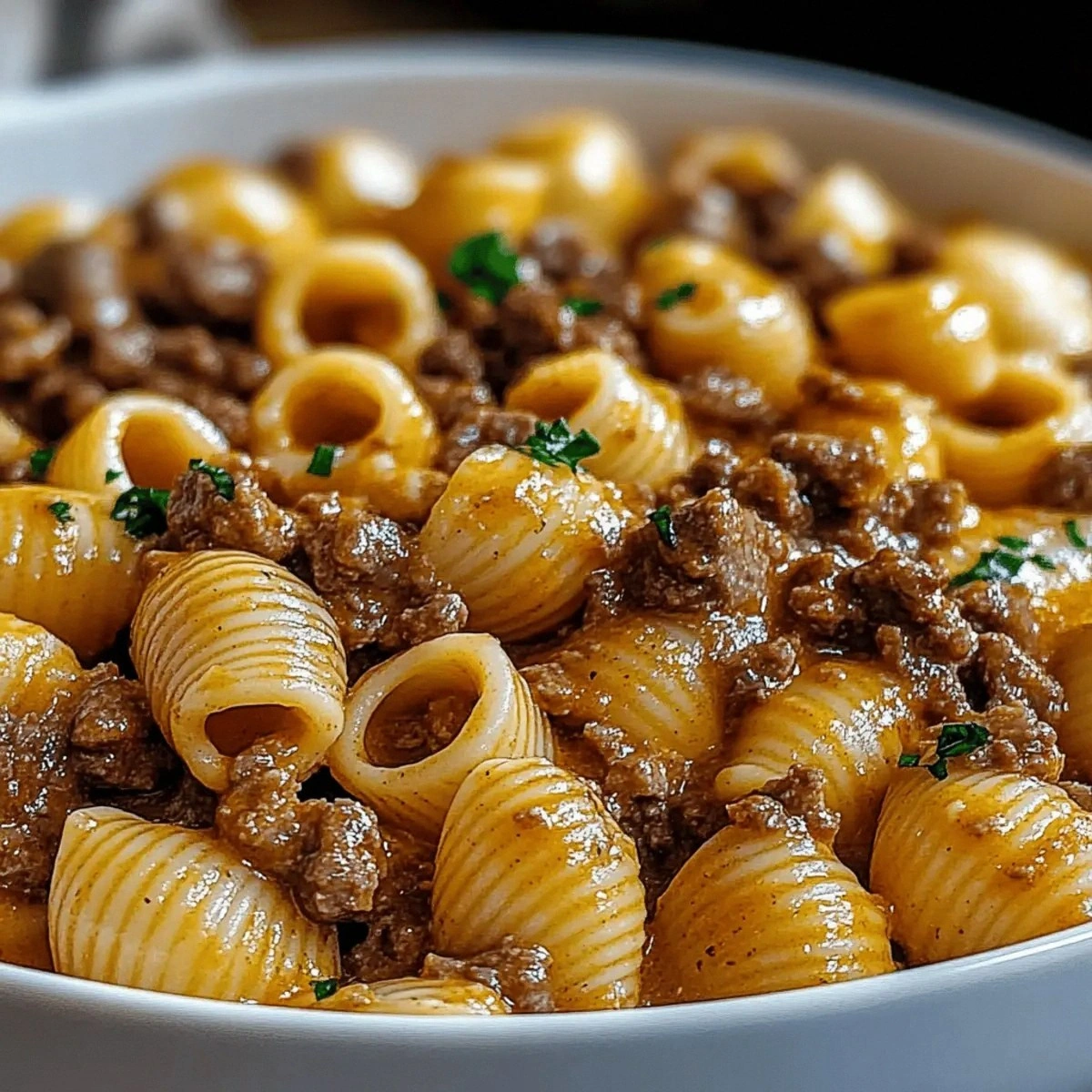
Serve the creamy beef and shells hot, straight from the skillet or transferred to a serving bowl. Garnish with a sprinkle of fresh parsley or extra Parmesan if you like. The steam rising from the dish should fill your kitchen with a comforting aroma that makes you want to curl up with a fork.
That’s it — you did it. But hold on, I’ve got a few more tricks that'll take this to another level, and trust me, you’ll want to try them next time you’re craving comfort.
Insider Tricks for Flawless Results
The Temperature Rule Nobody Follows
Never add the cream over high heat; the moment the pan reaches a gentle simmer, lower the flame to low. This prevents the cream from curdling and keeps the sauce silky. I once tried to speed things up by turning the heat up, and the sauce split like a bad breakup—nothing good came out of that. Keep it low, stir constantly, and you’ll get that glossy finish every single time.
Why Your Nose Knows Best
Your sense of smell is a better indicator of doneness than a timer. When the beef starts to brown, you’ll notice a nutty, roasted scent. When the onions turn translucent, a sweet perfume fills the air. Trust those cues; they’re more reliable than the clock. If you’re ever unsure, give the sauce a quick sniff—if it smells rich and buttery, you’re golden.
The 5‑Minute Rest That Changes Everything
After you’ve combined the pasta and sauce, let the dish rest off the heat for five minutes. This short pause lets the starches in the pasta release a little more starch, naturally thickening the sauce without any extra flour. It also gives the flavors time to marry, resulting in a more cohesive bite. I’ve seen people serve it immediately and complain it’s “runny”—the rest period solves that.
Don’t Over‑Salt the Broth
Because the beef broth already contains salt, it’s easy to over‑season the dish early on. Add only a little salt at the beginning, then taste after the cream is incorporated. Adjust with a pinch more if needed. Over‑salting can mask the subtle herb notes and make the dish feel heavy.
The Secret of a Good Skillet
A heavy‑bottomed skillet distributes heat evenly, preventing hot spots that can scorch the sauce. If you’re using a thin pan, keep the flame lower and stir more frequently. A good skillet is an investment that pays off in every one‑pot wonder you create. I’ve used a cast‑iron skillet for this recipe and the results are consistently flawless.
Creative Twists and Variations
This recipe is a playground. Here are some of my favorite ways to switch things up:
Mushroom Medley
Add a cup of sliced cremini or button mushrooms when you sauté the onions. The mushrooms soak up the broth and add an earthy depth that pairs beautifully with the beef. Ideal for mushroom lovers who want extra umami.
Spicy Southwest
Swap the Italian seasoning for a blend of cumin, smoked paprika, and a pinch of cayenne. Finish with a handful of chopped cilantro and a squeeze of lime. This version brings a bright, smoky heat that’s perfect for a quick Tex‑Mex twist.
Cheesy Overload
Stir in a cup of shredded mozzarella and a half cup of grated Parmesan right before serving. The cheese melts into the sauce, creating a gooey, stretchy texture that’s pure comfort. Great for kids and anyone who loves a cheesy pull.
Vegetarian Swap
Replace the ground beef with plant‑based crumbles or lentils. Use vegetable broth instead of beef broth, and add a dash of soy sauce for depth. The result is a hearty, meat‑free version that still delivers on flavor.
Herb‑Infused Finish
Just before serving, stir in a tablespoon of fresh basil or thyme. The fresh herbs brighten the dish, giving it a garden‑fresh lift that contrasts the rich cream. It’s a simple tweak that makes the dish feel upscale.
Storing and Bringing It Back to Life
Fridge Storage
Allow the dish to cool to room temperature, then transfer it to an airtight container. It will keep nicely for up to three days. When reheating, add a splash of milk or broth and stir over low heat until the sauce regains its silky texture. The added liquid prevents the pasta from drying out.
Freezer Friendly
Portion the cooled dish into freezer‑safe bags or containers, leaving a little headspace for expansion. It freezes well for up to two months. To reheat, thaw overnight in the fridge, then warm gently on the stovetop, again adding a splash of liquid to revive the creaminess.
Best Reheating Method
The stovetop is your best friend for reheating. Use a low flame, add a tablespoon of water or broth per cup of leftovers, and stir constantly. This method restores the sauce’s gloss without turning it grainy. Microwaving is convenient but can cause uneven heating, so give it a quick stir halfway through.