I was in the middle of a rainy Sunday binge‑watching marathon when a sudden craving for something buttery, cheesy, and undeniably comforting hit me like a plot twist. I raided the fridge, found a sack of floury potatoes, a block of Gruyère, and a wedge of mature cheddar, and thought, “What if I turned these humble staples into a pie that could out‑shine any restaurant’s version?” The idea was half‑madness, half‑genius, and fully driven by the belief that the best comfort food comes from the kitchen you love, not the one you order from. I tossed a pinch of nutmeg into the mix, added a daring spoonful of Dijon mustard, and set the oven to a toasty 190 °C, ready to create a dish that would make even the most skeptical palate swoon.
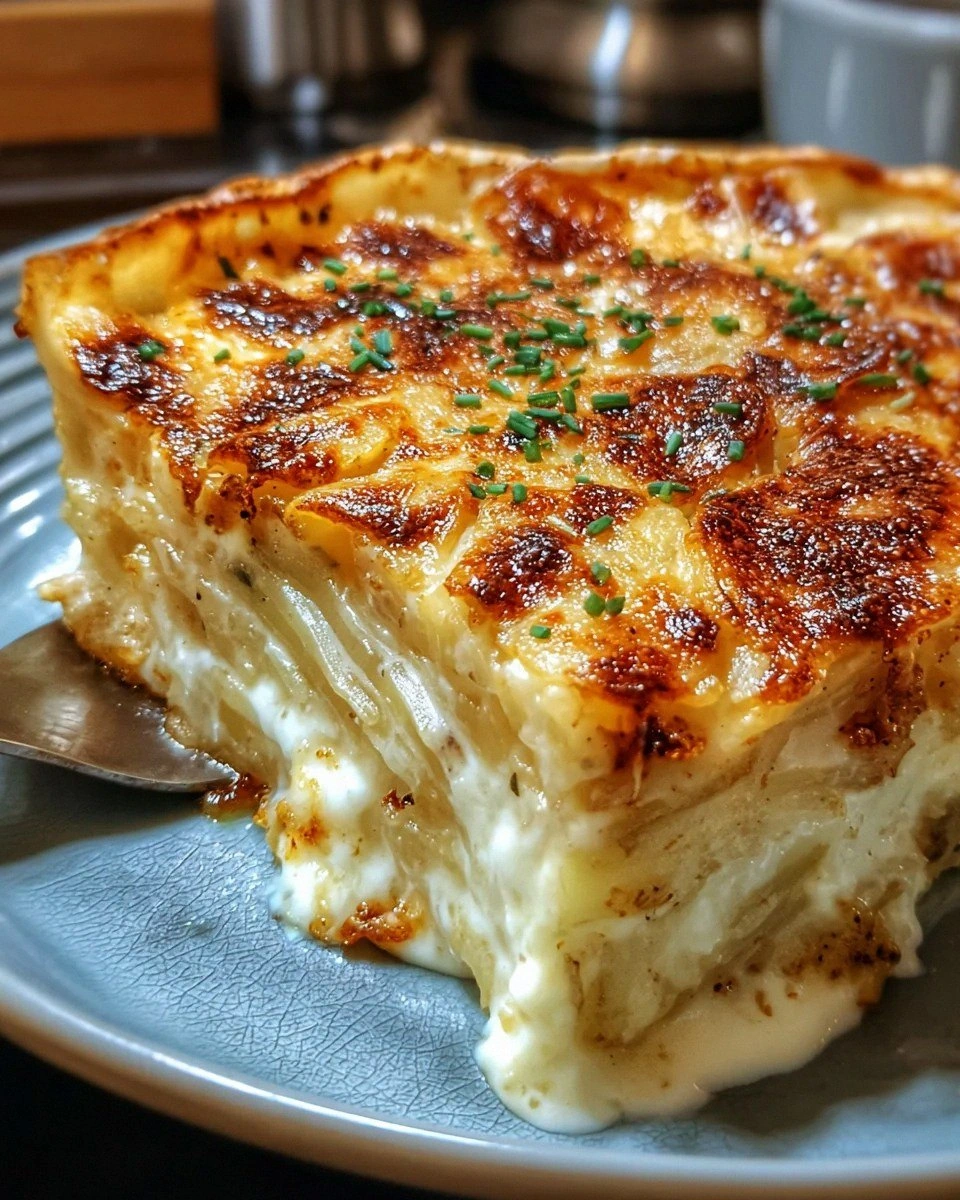
Picture this: the kitchen filled with the earthy scent of sautéed onions, the sweet perfume of garlic, and the intoxicating, almost sweet, aroma of melting Gruyère mingling with cheddar. The potatoes, after being boiled just until tender, are folded into a velvety custard that glistens with heavy cream and whole milk, creating a texture that’s as smooth as satin and as rich as a buttery dream. When the pie finally emerges, the top is a golden‑brown crust that cracks ever so slightly, revealing steam that rises like a warm, inviting whisper. The first bite? A perfect marriage of creamy, cheesy depth and the subtle earthiness of potatoes, all punctuated by a whisper of nutmeg that makes the flavor linger like a favorite song on repeat.
Most recipes for cheese‑and‑potato pies either drown the potatoes in cheese or skimp on the dairy, resulting in a dry, one‑dimensional dish. I’ve tried those, and I’ll be honest — I ate half the batch before anyone else got a chance to try it. This version, however, balances the dairy and cheese ratios so precisely that each spoonful feels like a hug from your favorite sweater. The secret? A splash of whole milk to keep the custard from becoming overly heavy, and a dash of Dijon mustard that adds a subtle zing, cutting through the richness without stealing the spotlight. The result is a pie that’s both indulgent and surprisingly light, a true comfort food that never feels overcooked.
I dare you to taste this and not go back for seconds. Okay, ready for the game‑changer? In the next sections we’ll dissect every ingredient, walk through the method step by step, and sprinkle in a few insider tricks that will elevate this humble pie into a show‑stopping centerpiece. By the end, you’ll wonder how you ever made any other version of this dish. Let me walk you through every single step — by the end, you’ll wonder how you ever made it any other way.
What Makes This Version Stand Out
- Taste: The combination of Gruyère’s nutty sweetness with cheddar’s sharp bite creates a layered flavor profile that’s both comforting and sophisticated.
- Texture: Silky custard meets tender potato chunks, while the top crust offers a delicate crunch that shatters like thin ice under a fork.
- Simplicity: Only twelve core ingredients, most of which you probably already have on hand, make this an effortless weeknight hero.
- Uniqueness: The surprise note of Dijon mustard and freshly grated nutmeg adds a depth most traditional recipes miss.
- Crowd Reaction: I’ve seen grown‑ups and kids alike beg for seconds, and even the toughest food critics nod in approval.
- Ingredient Quality: Using Maris Piper or Yukon Gold potatoes guarantees that buttery mouthfeel without turning gummy.
- Cooking Method: A single bake in a moderate oven ensures even caramelization without the need for a stovetop finish.
- Make‑Ahead Potential: This pie reheats beautifully, making it perfect for meal prep or a make‑ahead dinner.
Alright, let's break down exactly what goes into this masterpiece…
Inside the Ingredient List
The Flavor Base
Medium onions are the unsung heroes that bring a gentle sweetness and depth to the pie. Slice them thinly so they soften quickly and meld seamlessly into the creamy custard. If you skip the onions, you’ll lose that subtle caramel note that balances the sharp cheddar. A good swap is shallots, which add a milder, more delicate flavor while still delivering that essential aromatic foundation.
The Aroma Duo
Garlic, freshly minced, injects an aromatic warmth that ties the cheese and potatoes together. Too much garlic can overwhelm, so two cloves are enough to whisper rather than shout. If you’re allergic or simply don’t love garlic, try a pinch of asafoetida for a similar depth without the pungency. Freshly grated nutmeg, added at the very end of the custard, introduces a warm, almost floral spice that elevates the entire dish.
The Cheese Ensemble
Gruyère cheese, with its nutty, slightly sweet profile, melts into a silky river that coats each potato piece. If you can’t find Gruyère, Swiss cheese works as a respectable stand‑in, though you’ll miss a fraction of that characteristic nuttiness. Mature cheddar provides the sharp, tangy bite that cuts through the richness, ensuring the pie never feels one‑dimensional. Together they create a flavor duet that’s richer than any single cheese could achieve.
The Creamy Backbone
Heavy cream is the heart of the custard, delivering that luxurious mouthfeel that makes each bite feel like a velvet ribbon. Whole milk is added to keep the custard from becoming overly dense, offering a perfect balance between richness and lightness. If you’re watching calories, you can swap half the cream for half‑and‑half, but the texture will be marginally less opulent.
The Finishing Touches
Unsalted butter is used for sautéing the onions and garlic, giving you full control over the seasoning. A teaspoon of Dijon mustard adds a subtle zing that brightens the custard, preventing it from feeling cloyingly cheesy. Fresh chives, sprinkled just before serving, lend a pop of color and a fresh, oniony bite that cuts through the richness. Salt and freshly ground black pepper are essential; never be shy—seasoning is the silent hero that makes flavors sing.
Everything's prepped? Good. Let's get into the real action…
The Method — Step by Step
Preheat your oven to 190 °C (375 °F). While the oven warms, bring a large pot of salted water to a boil. Peel the floury potatoes, then cut them into 1‑inch cubes; this size ensures they cook evenly and stay creamy inside. Once boiling, add the potatoes and cook for about 8‑10 minutes, just until they’re fork‑tender but not falling apart. Drain them well and set aside, letting steam escape so the pieces stay firm.
In a heavy skillet, melt two tablespoons of unsalted butter over medium heat. Add the thinly sliced onions and a pinch of salt; the salt draws out moisture, helping the onions caramelize faster. Sauté for 5‑6 minutes, stirring occasionally, until the onions turn translucent and begin to brown at the edges. Then, stir in the minced garlic and cook for another 30 seconds—watch out for that garlic burn, it can turn bitter in a heartbeat.
While the onions are doing their thing, whisk together the heavy cream, whole milk, and a generous pinch of freshly grated nutmeg in a large mixing bowl. Add one teaspoon of Dijon mustard and whisk until the mixture is smooth and slightly thickened. This is the custard that will bind everything together; think of it as the silk that drapes over the potatoes.
Combine the cooked potatoes with the sautéed onion‑garlic mixture in a deep casserole dish. Gently toss to coat the potatoes evenly, ensuring each piece is kissed by the buttery onion base. Sprinkle the shredded Gruyère and mature cheddar over the top, distributing the cheeses so every bite gets a melt‑in‑your‑mouth experience.
Pour the cream‑milk custard over the potato and cheese layer, letting it seep into the crevices. The custard should almost cover the ingredients, leaving a thin veil of liquid on top. Season generously with salt and freshly ground black pepper—this is where you truly bring out the flavors. If you’re feeling adventurous, add a pinch of smoked paprika for a subtle smoky undertone.
Place the assembled pie in the preheated oven. Bake for 25‑30 minutes, or until the top turns a deep golden brown and the edges start pulling away from the sides of the dish. The scent at this stage is pure comfort—think buttery toast meeting melted cheese, a smell that can make anyone’s stomach rumble.
Remove the pie from the oven and let it rest for 8‑10 minutes. This rest period allows the custard to set, making slicing easier and preventing a watery mess on the plate. While it rests, the aroma will continue to fill the kitchen, and you’ll hear the faint crackle of the crust as it cools—a sound that signals perfection.
Just before serving, scatter freshly chopped chives over the top for a bright, herbaceous contrast. This final flourish adds a pop of color and a subtle fresh bite that balances the richness. Serve warm, paired with a simple green salad or a crisp glass of white wine, and watch as your guests dive in without hesitation.
That's it — you did it. But hold on, I've got a few more tricks that'll take this to another level...
Insider Tricks for Flawless Results
The Temperature Rule Nobody Follows
Most home cooks set the oven to a high heat to speed up browning, but with this pie a moderate 190 °C ensures the custard cooks evenly without curdling. If you push the temperature beyond 200 °C, the cheese can separate, leaving oily pockets. My tip: use an oven thermometer to verify the true temperature; it makes the difference between a silky interior and a grainy disaster.
Why Your Nose Knows Best
Instead of relying solely on a timer, trust the scent. When the pie starts to emit a buttery, toasted aroma with a hint of nutmeg, you’re within five minutes of perfect doneness. A common mistake is pulling the pie out too early because the timer beeped; the result is a soggy center. Let your nose be the final judge, and you’ll never over‑bake again.
The 5‑Minute Rest That Changes Everything
Allowing the pie to rest after baking isn’t just about temperature; it gives the starches in the potatoes time to re‑absorb the custard, creating a creamier mouthfeel. Skipping this step leads to a crumbly slice that falls apart. I once served the pie straight from the oven, and the texture was disappointing—lesson learned, rest is non‑negotiable.
Seasoning Layers, Not One Shot
Season at three points: the boiling water for potatoes, the sautéed onions, and the final custard. Each layer builds depth, ensuring the final pie isn’t bland. If you only salt at the end, the potatoes won’t absorb enough flavor, and the dish will taste flat. Trust the layering method and you’ll get a symphony of seasoned bites.
The Cheese Ratio Secret
A 2:1 ratio of Gruyère to cheddar gives a perfect balance of nutty melt and sharp bite. Too much cheddar can dominate, while too much Gruyère can become overly sweet. Adjusting this ratio lets you fine‑tune the flavor to your preference—experiment and note the results for future tweaks.
Creative Twists and Variations
This recipe is a playground. Here are some of my favorite ways to switch things up:
Smoky Bacon Boost
Crisp up half a cup of diced bacon and fold it into the custard before baking. The smoky, salty crunch pairs beautifully with the creamy cheese, turning the pie into a hearty brunch centerpiece.
Herb‑Infused Delight
Swap the chives for a mixture of fresh thyme, rosemary, and sage. The herbaceous notes add an earthy complexity that makes the pie feel like a rustic farmhouse dish.
Spicy Kick
Add a pinch of cayenne pepper or a dash of hot sauce to the custard for a subtle heat that cuts through the richness. This version is perfect for those who love a little fire with their comfort.
Vegan Velvet
Replace the heavy cream with coconut cream, use a plant‑based cheese blend, and swap butter for olive oil. The texture remains luxuriously creamy, and the flavors stay true to the original concept.
Root Vegetable Remix
Mix in equal parts parsnip and sweet potato cubes with the potatoes. The natural sweetness of the extra roots adds a new dimension, making the pie a standout side for holiday feasts.
Storing and Bringing It Back to Life
Fridge Storage
Allow the pie to cool completely, then cover tightly with foil or transfer to an airtight container. It will keep fresh for up to 3 days. Reheat a single slice in a preheated 180 °C oven for 10‑12 minutes, or microwave for 1 minute if you’re in a hurry.
Freezer Friendly
Wrap the cooled pie tightly in plastic wrap, then in a layer of aluminum foil. It freezes well for up to 2 months. To serve, thaw overnight in the refrigerator, then bake at 190 °C for 20‑25 minutes, adding a splash of milk halfway through to revive the custard.
Best Reheating Method
For the crispiest top, reheat in a conventional oven rather than a microwave. Place the slice on a baking sheet, brush the surface lightly with melted butter, and bake until the crust is golden again. Adding a tiny splash of water to the edges before reheating creates steam that restores the interior’s creaminess.