I remember the night I almost turned my kitchen into a disaster zone. A friend dared me to cook a Dominican classic that would make everyone swoon, and I accepted without hesitation. The moment the pot hit the stove, the aroma of sautéed onions, garlic, and bell peppers filled the air like a warm hug, and I knew I was onto something special. The sizzling sound was the soundtrack of a dish that would later become my signature, and I was determined to capture every nuance. I’ve never been one to shy away from a challenge, but this recipe demanded respect, patience, and a dash of daring.
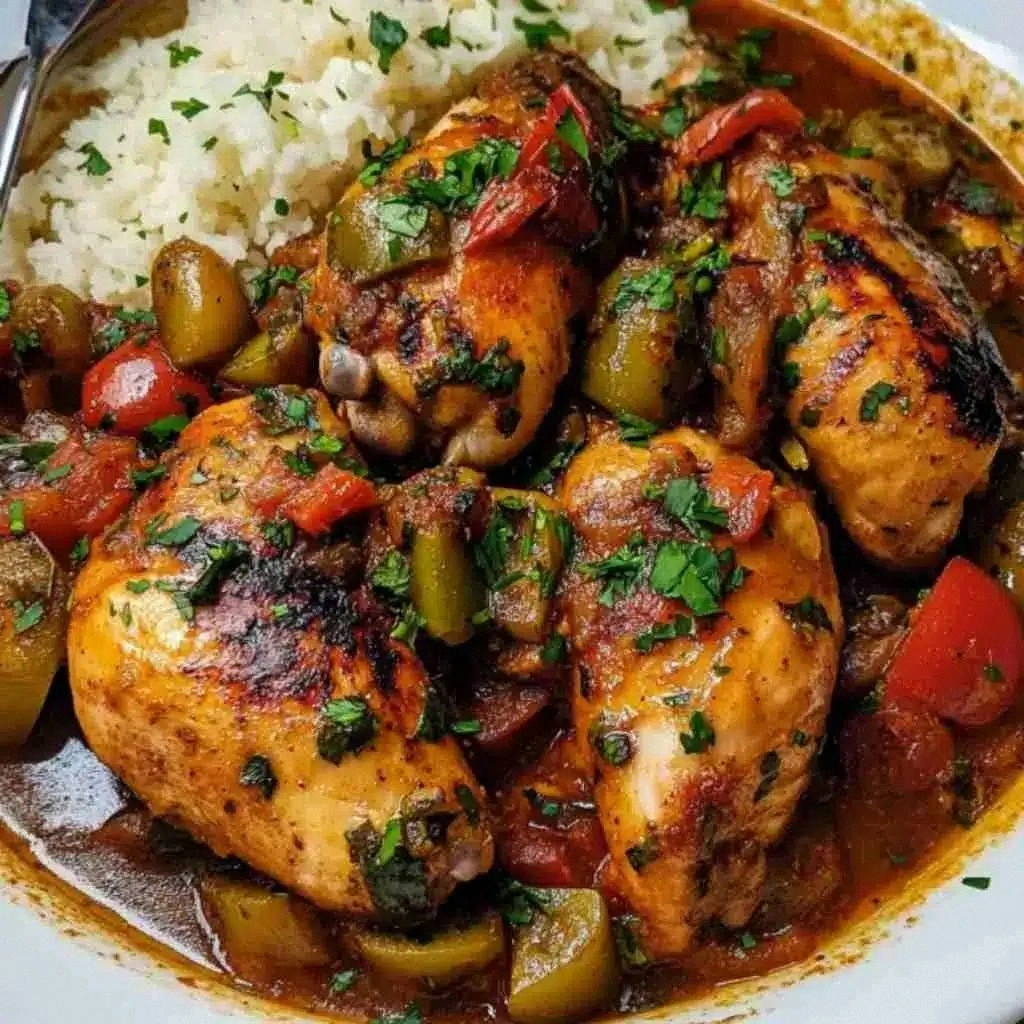
Picture this: a thick, velvety sauce that clings to every morsel of chicken, a burst of citrus that cuts through the richness, and a gentle smokiness that whispers of Caribbean nights. The texture is a harmony of tender meat, crisp peppers, and the occasional bite of fresh cilantro. Every bite feels like a vacation, a reminder of sun‑kissed streets and bustling markets. I’ve tasted versions that fell flat, but this one has a depth that lingers on the palate long after the last forkful. It’s the kind of dish that turns an ordinary dinner into an unforgettable experience.
What sets this version apart isn’t just the ingredients; it’s the method that brings them together. I’ve spent countless hours tweaking the balance of acidity, heat, and umami until it sings. I’ll show you how to achieve that silky finish without a single clump of flour, how to let the tomatoes caramelize just enough to caramelize the flavors, and how to finish with a squeeze of lime that brightens everything. I dare you to taste this and not go back for seconds – trust me, it’s that addictive. By the end of this guide, you’ll wonder how you ever cooked this dish any other way.
Let me walk you through every single step – from selecting the freshest chicken to the final garnish that turns a simple stew into a culinary masterpiece. We’ll explore the science behind the sauce, the secrets to a perfectly browned chicken, and the subtle tricks that elevate the dish from good to legendary. Ready to dive into the heart of Dominican flavor? Let’s get started.
What Makes This Version Stand Out
- Taste: The sauce is a complex symphony of sweet, savory, and bright citrus notes. The blend of tomatoes, onions, and a splash of lime creates a depth that’s hard to find in store‑bought versions.
- Texture: The chicken remains moist and tender while the peppers keep a slight crunch. The sauce thickens naturally with tomato paste and a touch of flour, avoiding the heavy feel of many imitators.
- Simplicity: No need for exotic spices or complicated steps. Everything you need is pantry‑friendly, and the method is straightforward for both beginners and seasoned cooks.
- Uniqueness: The use of plantains as a sweet counterpoint and the final cilantro‑lime flourish give this dish an unmistakable Dominican flair.
- Crowd Reaction: Friends who’ve tried other guisados rave about the balanced flavor and the way the sauce clings to each bite.
- Ingredient Quality: Fresh, locally sourced produce and a good cut of chicken make all the difference. I’ll show you how to pick the best.
- Cooking Method: The combination of searing and slow simmering unlocks flavors that you won’t find in quick‑cook alternatives.
- Make‑Ahead Potential: The dish tastes even better the next day, making it perfect for meal prep or entertaining.
Inside the Ingredient List
The Flavor Base
Onion, garlic, and bell pepper are the aromatic foundation that sets the tone for the entire dish. They release sweetness and depth when sautéed until caramelized, creating a savory bed that the chicken will later absorb. If you skip this step, the stew will feel flat and lack the complex undertones that make Dominican guisados memorable. You can swap green peppers for red or even use a mix of both for color contrast.
Tomatoes are the heart of the sauce, bringing acidity and natural sugars that balance the richness of the chicken. Fresh, ripe tomatoes are ideal, but if unavailable, a good quality canned San Marzano tomato can be a reliable substitute. Skipping tomatoes results in a thinner, less vibrant sauce. When using canned, drain excess liquid to avoid a watery consistency.
Tomato paste adds body and a concentrated tomato flavor that thickens the sauce naturally. A tablespoon is enough to bind everything together without overpowering. If you’re watching sodium, choose a low‑sodium paste or reduce the amount slightly.
The Texture Crew
Chicken thighs are the star of the show, offering juicy, flavorful meat that holds up well during simmering. Opt for bone‑in, skin‑on thighs for maximum tenderness; the skin adds a subtle crispness when seared. If you prefer white meat, substitute with boneless, skinless breasts, but be careful not to overcook them.
Plantains bring a subtle sweetness and a hint of starch that thickens the sauce while adding a delightful contrast. Slice them into thin rounds so they soften quickly and blend seamlessly with the other ingredients. If you can’t find plantains, a small amount of diced sweet potato can mimic the texture, though the flavor will differ.
Chicken broth enriches the stew, infusing it with savory depth. Use a homemade broth for the best flavor, but a quality store‑bought version works fine. Skipping broth will make the sauce too thick and less flavorful. Add a splash of water if the sauce becomes too concentrated.
The Unexpected Star
Lime juice is the secret weapon that brightens the entire dish. It cuts through the richness, balances the sweetness of the plantains, and gives the sauce a fresh, citrusy finish. A single squeeze can transform a good stew into a great one. If you’re allergic to citrus, a splash of white wine or apple cider vinegar can provide a similar acidity.
Fresh cilantro is the finishing touch that adds a herbal lift. Chop it finely so it disperses evenly, ensuring every spoonful carries that green, bright flavor. If cilantro is not your favorite, parsley can be used as an alternative, though it will alter the final taste profile.
The Final Flourish
A dash of adobo seasoning adds a smoky, slightly spicy undertone that complements the sweet and savory elements. It’s a staple in many Caribbean kitchens and can be found in most Latin grocery stores. If you’re looking for a milder version, reduce the amount or use a pinch of cumin instead. The final flourish of fresh cilantro and lime juice ties everything together, giving the dish a vibrant, aromatic finish that’s unmistakably Dominican.
Everything’s prepped? Good. Let’s get into the real action.
The Method — Step by Step
- Heat a large, heavy‑bottomed pot over medium heat and add 2 tablespoons of olive oil. Once the oil shimmers, add the diced onions and sauté until translucent, about 3–4 minutes. Add the minced garlic and cook for an additional 30 seconds, watching carefully to prevent burning. This step builds the flavor foundation and releases the aromatic oils that will carry through the dish.
- Introduce the chicken thighs to the pot, skin side down, and sear until golden brown on both sides, roughly 4–5 minutes per side. The seared skin adds a subtle crispness that contrasts with the tender meat. Flip the thighs only once to avoid tearing the skin. If you’re using boneless breasts, sear for 2–3 minutes per side, being careful not to overcook.
- Add the diced bell peppers to the pot and sauté for 3–4 minutes until they soften slightly but still retain a faint crunch. This preserves the texture contrast that makes the stew enjoyable. If you prefer softer peppers, increase the sauté time to 5 minutes.
- Stir in the diced tomatoes and a tablespoon of tomato paste, allowing the mixture to reduce and thicken for about 5 minutes. The tomato paste will caramelize, deepening the sauce’s color and flavor. Keep the heat at medium to avoid scorching the bottom of the pot.
- Pour in 1 cup of chicken broth, then add a teaspoon of oregano, a teaspoon of cumin, a pinch of adobo seasoning, and a bay leaf. Stir to combine, then bring the mixture to a gentle simmer. Cover the pot with a lid that leaves a small vent for steam to escape, and let it cook for 20 minutes, allowing the flavors to meld.
- Slice the plantains into thin rounds and add them to the pot. Stir gently to coat the plantains with the sauce. The plantains will soften in the next 10 minutes, absorbing the flavors and adding a subtle sweetness that balances the savory elements.
- Season the stew with salt and pepper to taste. Add the fresh cilantro and squeeze in the juice of one lime. Stir everything together, then reduce the heat to low and let the stew cook for an additional 5 minutes, allowing the flavors to marry and the sauce to thicken slightly.
- Taste the sauce and adjust seasoning if needed—perhaps a touch more lime for brightness or a pinch more salt for depth. Serve the Pollo Guisado hot, accompanied by white rice, fried plantains, or a simple side of sautéed greens. The dish is best enjoyed immediately, but it also reheats beautifully for leftovers.
That’s it—you did it. But hold on, I’ve got a few more tricks that will take this to another level. Let’s dive into the insider tips that make this dish truly shine.
Insider Tricks for Flawless Results
The Temperature Rule Nobody Follows
Many cooks assume that higher heat will cook the chicken faster, but it actually leads to uneven cooking and a dry texture. Keep the simmer at a low, steady heat to allow the flavors to develop and the chicken to become tender without drying out. I’ve found that a temperature around 180°F (82°C) works best for a slow, even simmer.
Why Your Nose Knows Best
Before you add the final lime juice, give the stew a quick sniff. If it smells too acidic, add a splash of broth or a pinch of sugar to balance. Your nose can detect subtle imbalances that your eyes might miss. Trust it; a well‑balanced aroma is a sign of a well‑balanced dish.
The 5‑Minute Rest That Changes Everything
After simmering, let the pot sit covered for 5 minutes off the heat. This resting period allows the sauce to thicken slightly and the flavors to settle. Many people skip this step, resulting in a watery stew that feels under‑seasoned. I’ve seen the difference it makes in texture and depth.
Use a Heavy‑Bottomed Skillet
A heavy skillet, such as cast iron or stainless steel, distributes heat evenly and prevents hot spots that can burn the sauce. This is especially important when simmering for 20 minutes. If you’re using a non‑stick pan, be cautious of overheating, as it can alter the flavor.
Add a Touch of Brown Sugar
If you want a slightly sweeter finish, sprinkle a teaspoon of brown sugar before adding the plantains. The sugar caramelizes with the tomatoes, adding depth and a subtle caramel note. This trick is popular in certain Dominican households and gives the dish a richer mouthfeel.
Let the Chicken Rest After Cooking
Once the stew is finished, remove the chicken and let it rest for 5 minutes before slicing. This prevents juices from escaping and keeps the meat juicy. I’ve seen many people slice immediately, leading to dry, stringy chicken.
Creative Twists and Variations
This recipe is a playground. Here are some of my favorite ways to switch things up:
Spicy Jerk Fusion
Swap the oregano and cumin for a Jamaican jerk seasoning blend. Add a sliced Scotch bonnet pepper for an extra kick. This version will have a smoky, fiery profile that pairs wonderfully with coconut rice.
Mild Coconut Cream Finish
Stir in a half cup of coconut milk at the end of simmering. The creaminess balances the acidity of the lime and adds a tropical twist. Serve over steamed quinoa for a lighter meal.
Vegetarian Delight
Replace the chicken with marinated tofu cubes or seared tempeh. Keep the rest of the sauce unchanged. This version offers a hearty, plant‑based alternative that still delivers on flavor.
Herb‑Infused Variation
Add a handful of chopped parsley and a sprinkle of dried thyme during simmering. The herbs introduce a fresh, earthy layer that complements the citrus and plantains. This is a great way to add a green, aromatic note.
Quick One‑Pot Meal
Use instant rice or quinoa and add it directly to the pot during the last 10 minutes of simmering. The grains absorb the sauce, creating a comforting, all‑in‑one dish that’s perfect for busy weeknights.
Lemon‑Lime Twist
Replace the lime juice with an equal part of fresh lemon juice and add a pinch of zest. The lemon’s brightness will give the stew a slightly different citrus profile, making it feel lighter and more refreshing.
Storing and Bringing It Back to Life
Fridge Storage
Cool the stew completely before transferring it to an airtight container. Store in the refrigerator for up to 4 days. The flavors continue to develop, making it even more delicious the next day.
Freezer Friendly
Divide the stew into portioned containers and freeze for up to 3 months. Thaw overnight in the refrigerator or use the defrost setting on your microwave. The texture of the plantains and chicken remains intact.
Best Reheating Method
Reheat the stew on low heat, adding a splash of water or broth to keep it moist. Stir frequently to prevent sticking. A quick microwave reheat works too, but cover with a microwave‑safe lid to trap steam and preserve flavor.