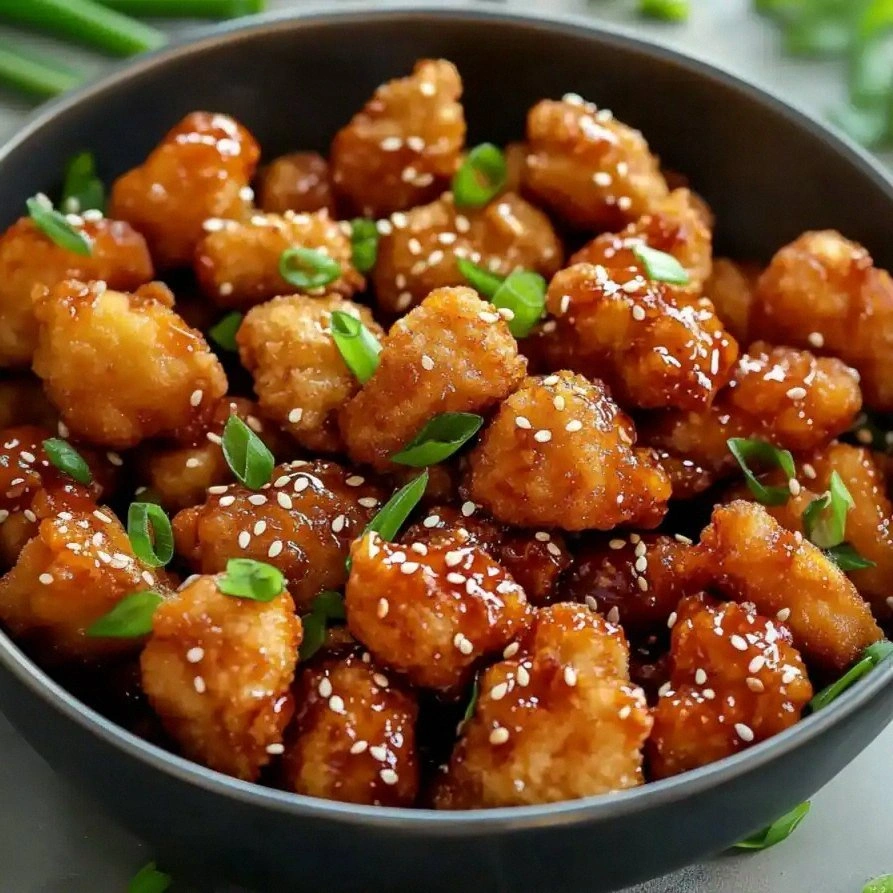
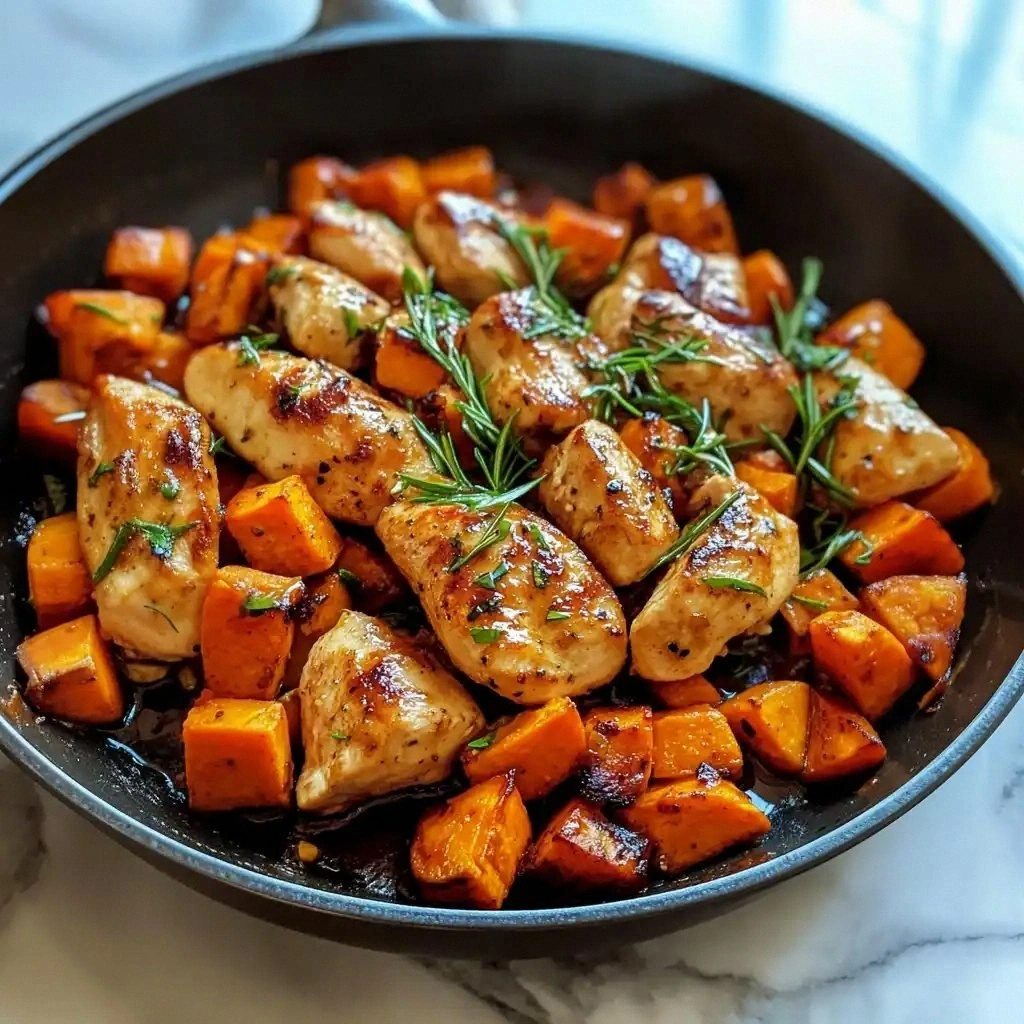
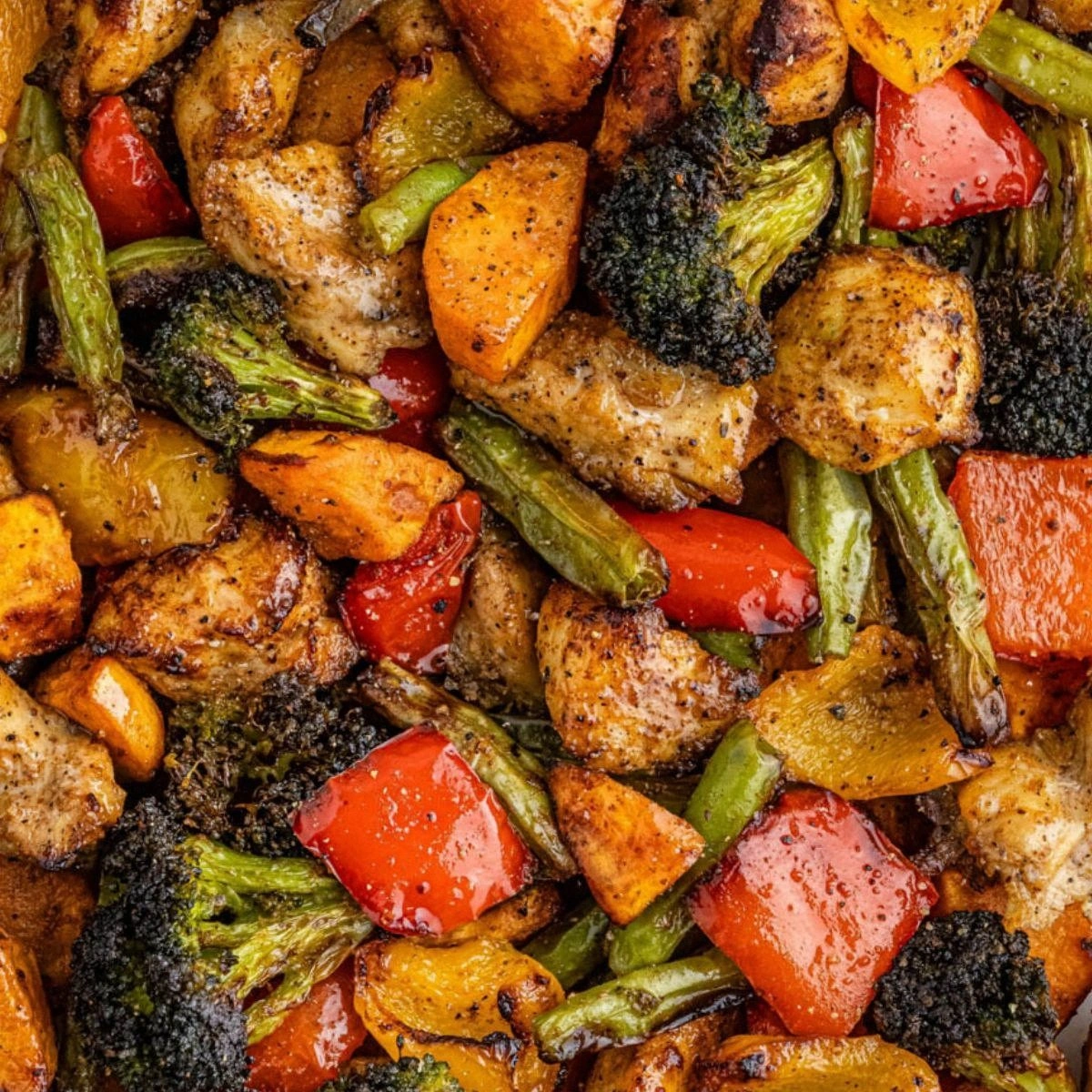
I remember the night I was chasing a craving that felt like a runaway fire. I’d been staring at a bag of frozen chicken thighs, a jar of soy sauce, and a small pile of ginger that looked like a miniature dragon. The kitchen smelled like burnt toast and hope, and I was about to turn a disaster into a culinary triumph. I decided to throw everything together in a pan, and the result was a sizzling, caramelized mess that made my taste buds do a happy dance. That moment taught me that the simplest ingredients can become the most extraordinary when handled with confidence and a dash of daring. The next time you find yourself staring at a pantry full of potential, remember that this recipe is a recipe for turning ordinary into unforgettable.
Picture this: a pan that’s already hot, the sharp scent of fresh ginger cutting through the air like a fresh blade. The garlic starts to sing, releasing a sweet, almost citrusy aroma that lingers even after the pan cools. The soy sauce slides in, thickening the mixture into a glossy, amber glaze that coats the chicken like velvet. As the vegetables sizzle, their colors pop, turning the kitchen into a living painting of reds, oranges, and greens. The moment the sauce thickens, the flavors lock in, creating a harmony that feels like a well‑written song. And when the dish finally lands on a plate, the steam curls around you, promising warmth and comfort that only home cooking can deliver.
What makes this version stand out is not just the combination of flavors, but how each element is elevated to perform its best. The chicken thighs, skin on and bone‑in, keep the meat juicy while the skin crisps to a golden perfection that crunches like a satisfying snap. The ginger isn’t just a garnish; it’s the backbone of the sauce, its peppery bite cutting through the sweetness of honey. The garlic is roasted to a caramelized depth that adds a smoky undertone, a subtle nod to the classic stir‑fry. The soy sauce and rice vinegar balance each other, creating a sweet‑savory profile that feels both familiar and adventurous. The sesame oil adds a nutty finish, while the chili flakes give just enough heat to wake up the palate. Together, they form a dish that feels both comforting and exciting, a culinary hug with a kick.
I dare you to taste this and not go back for seconds. I’ve tasted my fair share of stir‑fries, but none have matched the depth of this sauce. Most recipes get this completely wrong, using too much sugar or too little heat. Here’s what actually works: a balanced blend of sweet, savory, and spicy that coats the chicken and vegetables like a silk scarf. Picture yourself pulling this out of the oven, the whole kitchen smelling incredible, the family or friends gathering around, eyes wide with anticipation. Let me walk you through every single step — by the end, you’ll wonder how you ever made it any other way.
What Makes This Version Stand Out
- Flavor Depth: The sauce is a symphony of ginger, garlic, soy, honey, and sesame oil, each note playing in perfect harmony. The result is a taste that lingers on the tongue and invites a second bite.
- Texture Contrast: Crispy skin meets tender, juicy thighs, while crunchy bell peppers and carrots add a satisfying bite. The sauce coats everything, creating a glossy finish that glistens.
- Ease of Prep: The recipe requires minimal chopping and a single pan, making it ideal for busy weeknights. Even a novice can master the technique with a few practice runs.
- Ingredient Quality: Fresh ginger and garlic are the secret weapons, bringing a punch that canned or frozen versions can’t match. Using high‑quality soy sauce and sesame oil elevates the dish instantly.
- Crowd‑Pleaser: The balanced sweet‑savory‑spicy profile appeals to a wide range of palates. It’s a dish that can be served to family, friends, or a date night.
- Make‑Ahead Potential: The flavors only deepen with time. You can prep the sauce and chicken in advance, then reheat for a quick meal.
- Versatility: Swap the vegetables for whatever you have on hand—broccoli, snow peas, or even zucchini. The sauce adapts to each variation.
- Quick Turnaround: From prep to plate, you’re looking at 45 minutes or less. It’s fast, but it feels indulgent.
Alright, let's break down exactly what goes into this masterpiece. First, the ingredients: each plays a vital role, and I’ll explain why you can’t skip any of them.
Inside the Ingredient List
The Flavor Base
Fresh ginger is the backbone of this dish. It offers a peppery, almost citrusy bite that cuts through the sweetness of honey. If you can’t find fresh ginger, a small amount of ground ginger will work, but it won’t have the same bright snap. When using fresh ginger, grate it finely to release its oils fully. The more surface area, the more flavor you’ll extract. A good rule of thumb is to use about 2 tablespoons for every pound of chicken.
The Texture Crew
The chicken thighs are the star. Their skin-on, bone-in cut retains moisture and develops a crispy, caramelized exterior. If you prefer boneless, skinless thighs, the dish will still be delicious, but you’ll lose that satisfying crunch. Carrots add a subtle sweetness and a pop of color, while bell peppers bring a crisp, fresh bite that balances the richness of the sauce. For an extra layer of crunch, toss in a handful of snow peas or snap peas just before serving.
The Unexpected Star
Sesame oil is a small but mighty ingredient. It imparts a nutty aroma that elevates the entire sauce. If you’re on a low‑fat diet, you can reduce the amount or replace it with a neutral oil, but the flavor profile will shift slightly. Honey or brown sugar is the sweet counterbalance to the savory soy sauce. It also helps the sauce caramelize, creating that glossy sheen that looks irresistible. Feel free to experiment with maple syrup for a different twist.
The Final Flourish
Rice vinegar adds a bright, acidic lift that balances the sweetness and cuts through the richness of the sauce. Green onions finish the dish with a fresh, slightly sharp note, and the red chili flakes bring a gentle heat that lingers on the palate. Together, these finishing touches create a layered experience that feels both simple and sophisticated. If you’re sensitive to spice, start with half a teaspoon of chili flakes and adjust to taste. The sauce is forgiving—just remember that it thickens as it cools.
Everything's prepped? Good. Let's get into the real action.
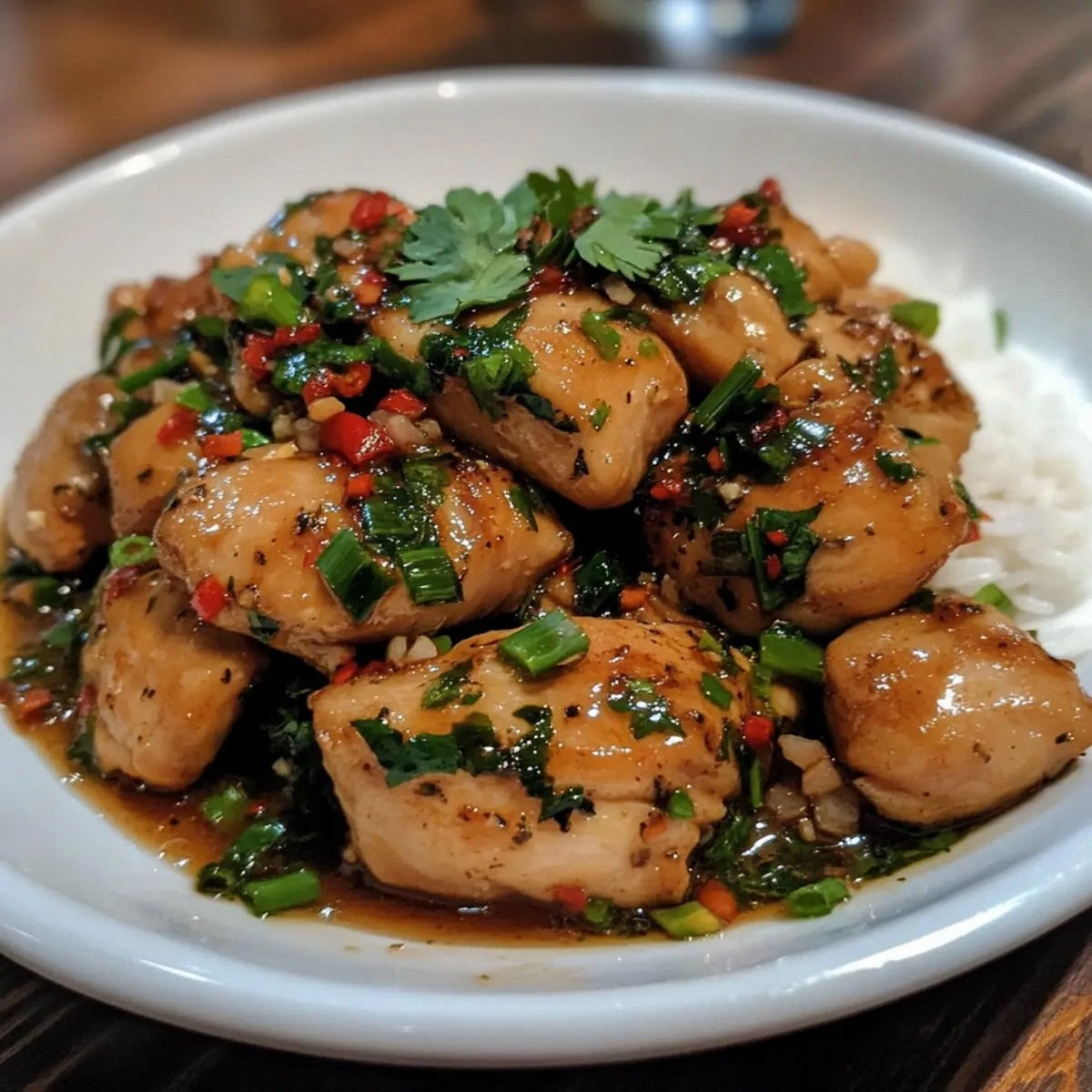
The Method — Step by Step
- Heat a large skillet or wok over medium‑high heat until shimmering. Add a splash of sesame oil and let it swirl around the pan. The oil should coat the bottom without smoking. This step ensures a crisp skin on the chicken. When the oil is hot, place the thighs skin‑side down, leaving space between them.
- Sear the thighs for 4–5 minutes until the skin turns a deep amber and starts to crackle. Flip and sear the other side for another 3 minutes. The goal is a caramelized crust that locks in juices. While searing, keep an eye on the heat; too low and the chicken will steam, too high and it will burn.
- Remove the thighs and set them aside. In the same pan, add the minced garlic and ginger. Sauté for 30 seconds until fragrant, being careful not to let them burn. The aroma should rise like a warm hug, signaling that the base is ready.
- Pour in the soy sauce, rice vinegar, and honey. Stir until the honey dissolves and the mixture starts to bubble. This is the moment of truth; the sauce should thicken slightly and take on a glossy sheen. Keep stirring to prevent sticking.
- Return the chicken to the pan, nestling it into the sauce. Add the carrots and bell peppers, pushing them gently into the liquid. Let everything simmer for 8–10 minutes until the vegetables are tender but still crisp and the chicken reaches an internal temperature of 165°F.
- Stir in the green onions and chili flakes. The green onions add a fresh bite, while the chili flakes give a subtle heat that lingers. Taste and adjust seasoning if needed—add a splash more soy or a pinch of salt.
- Turn off the heat and let the dish rest for 2 minutes. The residual heat will finish cooking the chicken and allow the flavors to meld. This brief pause ensures every bite is juicy and flavorful.
- Serve immediately over steamed rice or quinoa, garnishing with extra green onions if desired. The dish should look glossy, with the sauce coating every piece of chicken and vegetable. Enjoy the symphony of textures and flavors that unfold with each bite.
That's it — you did it. But hold on, I've got a few more tricks that'll take this to another level.
Insider Tricks for Flawless Results
The Temperature Rule Nobody Follows
Many cooks think a high heat is always better, but the secret to crisp skin lies in a balanced approach. Start with medium‑high heat to sear, then lower to medium to finish cooking. This prevents the exterior from burning while the interior remains juicy. A thermometer can help; aim for 165°F in the thickest part of the thigh. If you’re using a skillet that retains heat well, keep the lid slightly ajar to allow steam to escape.
Why Your Nose Knows Best
The aroma is your best judge of doneness. When the sauce starts to thicken and the chicken smells caramelized, it’s a sign the dish is ready. A faint, sweet scent indicates the honey is working its magic, while a sharp, garlicky aroma signals the base is fully integrated. Trust your nose; it will guide you to perfection.
The 5‑Minute Rest That Changes Everything
Letting the dish rest for five minutes after cooking allows the juices to redistribute. This simple step ensures each bite is moist and flavorful. I’ve seen people cut into the chicken immediately and find it dry; the rest period fixes that. If you’re in a hurry, a quick 2‑minute rest still helps.
The Quick Stir for Even Coating
When adding the vegetables, give the pan a quick stir to coat them in sauce. This ensures every piece receives a flavor boost, not just the ones resting at the bottom. A gentle toss also prevents the sauce from settling and becoming too thick in one spot.
The Secret Ingredient Swap
If you’re craving a different flavor profile, swap honey for maple syrup or brown rice vinegar for apple cider vinegar. Each swap brings a subtle shift, but the core structure remains. Experimenting keeps the dish fresh and exciting.
The Resting Chicken Trick
After searing, let the chicken rest for a minute before adding the aromatics. This step allows the surface to cool slightly, preventing the garlic and ginger from burning too quickly. It also gives the chicken a chance to finish cooking in its own steam.
Creative Twists and Variations
This recipe is a playground. Here are some of my favorite ways to switch things up:
Coconut Curry Twist
Swap the soy sauce for coconut aminos and add a splash of coconut milk. The dish turns into a creamy, tropical curry that pairs beautifully with jasmine rice. The coconut flavor complements the ginger and garlic, creating a mellow, exotic taste.
Spicy Thai Take
Replace the red chili flakes with Thai bird’s eye chilies and add a tablespoon of fish sauce. The result is a vibrant, bold dish that feels like a street‑food delight. Serve it with a side of lime wedges for an extra zing.
Salsa Verde Surprise
Incorporate a handful of chopped cilantro, a splash of lime juice, and a teaspoon of tomatillo salsa. The bright, herbaceous notes lift the dish, making it feel like a Mexican fiesta. The acidity cuts through the richness of the sauce.
Mediterranean Flair
Use a splash of olive oil instead of sesame, and add a pinch of oregano. The dish gains a rustic, herb‑laden flavor that pairs well with couscous. The oregano brings a warm, earthy undertone.
Sweet & Smoky BBQ
Add a tablespoon of smoked paprika and a teaspoon of chipotle in adobo. The smoky depth complements the honey and soy, creating a barbecue‑style sauce. This version is perfect for a backyard grill session.
Vegan Version
Replace chicken with tofu or tempeh and use a vegan soy sauce. The tofu absorbs the sauce beautifully, turning into a crispy, caramelized slab. Add extra veggies like broccoli or mushrooms for a hearty meal.
Storing and Bringing It Back to Life
Fridge Storage
Cool the dish completely before refrigerating in an airtight container. It will keep for up to 3 days. The flavors will deepen overnight, making the next meal even better. When reheating, add a splash of water or broth to keep the sauce from drying out.
Freezer Friendly
Divide the dish into individual portions and freeze in freezer‑safe containers. It will stay good for up to 2 months. Thaw overnight in the fridge before reheating. The texture remains juicy, and the sauce re‑glazes beautifully.
Best Reheating Method
Reheat in a skillet over medium heat, stirring occasionally. Add a splash of water or broth to loosen the sauce. This method preserves the crisp skin and restores the glossy finish. Serve immediately for the best experience.