Picture this: a Sunday afternoon, the kitchen is a battlefield, a burnt batch of garlic bread, a half‑cooked casserole, and a fridge full of fish that’s begging for a chance to shine. I’m standing there, holding a fresh tilapia fillet, wondering if I should even try to salvage it. My friend, a self‑proclaimed culinary daredevil, throws down a challenge: “I dare you to taste this and not go back for seconds.” I laughed, because I’ve never met a fish that could defy that challenge. The moment I cracked the fish open, the aroma hit me like a citrus sunrise—bright, sharp, and utterly inviting.
Close your eyes and imagine the first bite: a flaky, buttery texture that melts against your palate, a burst of lemon zest that sings like a choir, and a whisper of garlic that lingers long after the last mouthful. The sizzling of olive oil on the pan is a comforting crackle, the steam from the broccoli and carrots carries a subtle sweetness, and the gentle hiss of the green beans reminds you that nature is doing its part. The room fills with a citrusy perfume, the kind that makes you forget the burnt bread and the half‑cooked casserole. It’s a sensory orchestra where every note—sight, smell, sound, taste, and feel—plays in perfect harmony.
What makes this version of Lemon Garlic Tilapia stand out from the countless recipes that flood the internet? It’s the meticulous balance of flavors, the simplicity of the method, and the clever use of a few ingredients that elevate the dish from ordinary to unforgettable. I’ve distilled years of kitchen experiments into a single, foolproof recipe that turns any fish fillet into a showstopper. The secret sauce is a quick lemon‑garlic glaze that coats the fish like velvet, while the steaming of vegetables preserves their crunch and color. Even a novice cook can master it because every step is clear, every ingredient is purposeful, and the final result is a plate that looks as good as it tastes.
Now, before you grab your skillet, let me hint at the twist that will make your taste buds dance: a splash of fresh parsley that adds a green pop of freshness, and a sprinkle of lemon zest that brings the dish together like a final flourish on a painting. This isn’t just a recipe; it’s an invitation to create a meal that feels like a celebration. Let me walk you through every single step—by the end, you’ll wonder how you ever made it any other way.
What Makes This Version Stand Out
- Flavor: The combination of bright lemon, aromatic garlic, and fresh parsley creates a layered taste profile that is both zesty and savory. The glaze caramelizes just enough to give the fish a slight crispness, while the herbs keep it from feeling flat.
- Texture: The tilapia stays tender and flaky, thanks to a brief sear that locks in moisture. The vegetables are steamed to retain their snap, offering a delightful contrast to the fish.
- Simplicity: With only a handful of ingredients, you can whip up a restaurant‑quality dish in under 45 minutes. No fancy sauces or complex techniques—just a skillet and a splash of lemon.
- Uniqueness: The addition of lemon zest and fresh parsley in the final stage gives the dish a fresh, almost herbal finish that sets it apart from standard lemon‑garlic fish recipes.
- Crowd Reaction: Friends and family consistently remark that this dish tastes like a gourmet meal, and they ask for the recipe afterward. The dish is a crowd‑pleaser that works for both casual dinners and dinner parties.
- Ingredient Quality: Using a fresh, sustainably sourced tilapia fillet ensures the fish’s natural flavor shines. The use of high‑quality olive oil adds depth without overpowering the citrus.
- Cooking Method: The quick sear followed by a gentle simmer allows the flavors to meld without overcooking the fish. The method is foolproof even for those who are new to cooking fish.
- Make‑Ahead Potential: The dish can be prepped ahead of time and reheated without losing its moisture or flavor, making it a perfect option for busy weeknights.
Alright, let's break down exactly what goes into this masterpiece…
Inside the Ingredient List
The Flavor Base
Fresh lemon juice is the star of the show, providing a bright, acidic backdrop that cuts through the richness of the olive oil. Lemon zest, on the other hand, delivers a concentrated burst of citrus oils that add depth without diluting the flavor. Garlic, minced finely, releases its natural sweetness when sautéed, creating a caramelized aroma that lingers in the kitchen. Olive oil is the medium that brings everything together, allowing the flavors to meld and ensuring the fish doesn’t dry out.
If you skip the lemon zest, the dish will still be good, but it will feel a little flat—like a song without a refrain. The zest’s essential oils are what give the dish that memorable finish. A good rule of thumb: always zest before juicing, because the zest is easier to extract from a fresh, unpeeled lemon.
The Texture Crew
Broccoli florets, carrot slices, and green beans are the crunchy companions that add color and nutrition. They’re steamed rather than boiled to preserve their vibrant hues and maintain a satisfying bite. The vegetables also absorb the lemon‑garlic sauce, turning them into a subtle side that complements the fish perfectly.
If you prefer a softer texture, you can blanch the vegetables for a minute longer. However, overcooking will cause them to lose their bright green and orange colors, which are part of the dish’s visual appeal. For a vegetarian version, simply omit the fish and increase the vegetable portions.
The Unexpected Star
Fresh parsley is the green garnish that provides a burst of herbal freshness. It also adds a subtle peppery note that balances the sweetness of the lemon. Parsley is often overlooked in fish recipes, but in this dish it elevates the overall flavor profile and gives the plate a polished look.
If you’re allergic to parsley or simply don’t have it on hand, try a handful of chopped cilantro or basil. Both herbs offer bright, fresh notes that complement the citrusy base, though they will change the final flavor slightly.
The Final Flourish
Lemon wedges are not just for garnish; they’re a practical tool that lets you squeeze fresh juice onto the fish right before serving. The final squeeze of lemon juice brightens the dish and brings all the flavors together in a single, harmonious bite. The wedges also serve as a visual cue for guests to add more lemon if they wish.
If you’re in a hurry, you can skip the wedges and simply drizzle a bit more lemon juice over the finished dish. The wedges are more about presentation and the last burst of freshness, so feel free to adjust based on your preference.
Everything's prepped? Good. Let's get into the real action…
The Method — Step by Step
- First, pat the tilapia fillets dry with paper towels. This removes surface moisture, allowing the fish to sear properly and develop a golden crust. While the fillets rest, mince the garlic finely so it will release its aroma quickly when sautéed. If you prefer a milder garlic flavor, you can slice the cloves thinly instead of mincing.
- Heat a large non‑stick skillet over medium‑high heat and add the olive oil. Once the oil shimmers, add the garlic and let it sizzle for about 30 seconds—just enough to soften it without letting it brown. The garlic should release a fragrant aroma, like a warm, comforting hug.
- Season both sides of the fillets with salt and black pepper. Place the fish in the skillet and let it cook for 3–4 minutes on the first side until the edges start pulling away from the pan. Flip carefully with a spatula and cook the second side for another 2–3 minutes, or until the fish is opaque and flakes easily with a fork.
- Remove the fillets from the skillet and set them aside. In the same pan, add the lemon juice, lemon zest, and a splash of water to deglaze. Scrape up any browned bits; those are flavor gold that will enrich the sauce.
- Return the fish to the skillet, spooning the lemon‑garlic sauce over each fillet. Let it simmer for 1–2 minutes, allowing the fish to absorb the citrusy glaze. The sauce should thicken slightly and coat the fillets like velvet.
- While the fish simmers, steam the broccoli, carrot slices, and green beans in a steamer basket or a microwave-safe dish with a splash of water. Steam for 4–5 minutes until the vegetables are bright and just tender. The quick steam preserves their natural crunch and bright color.
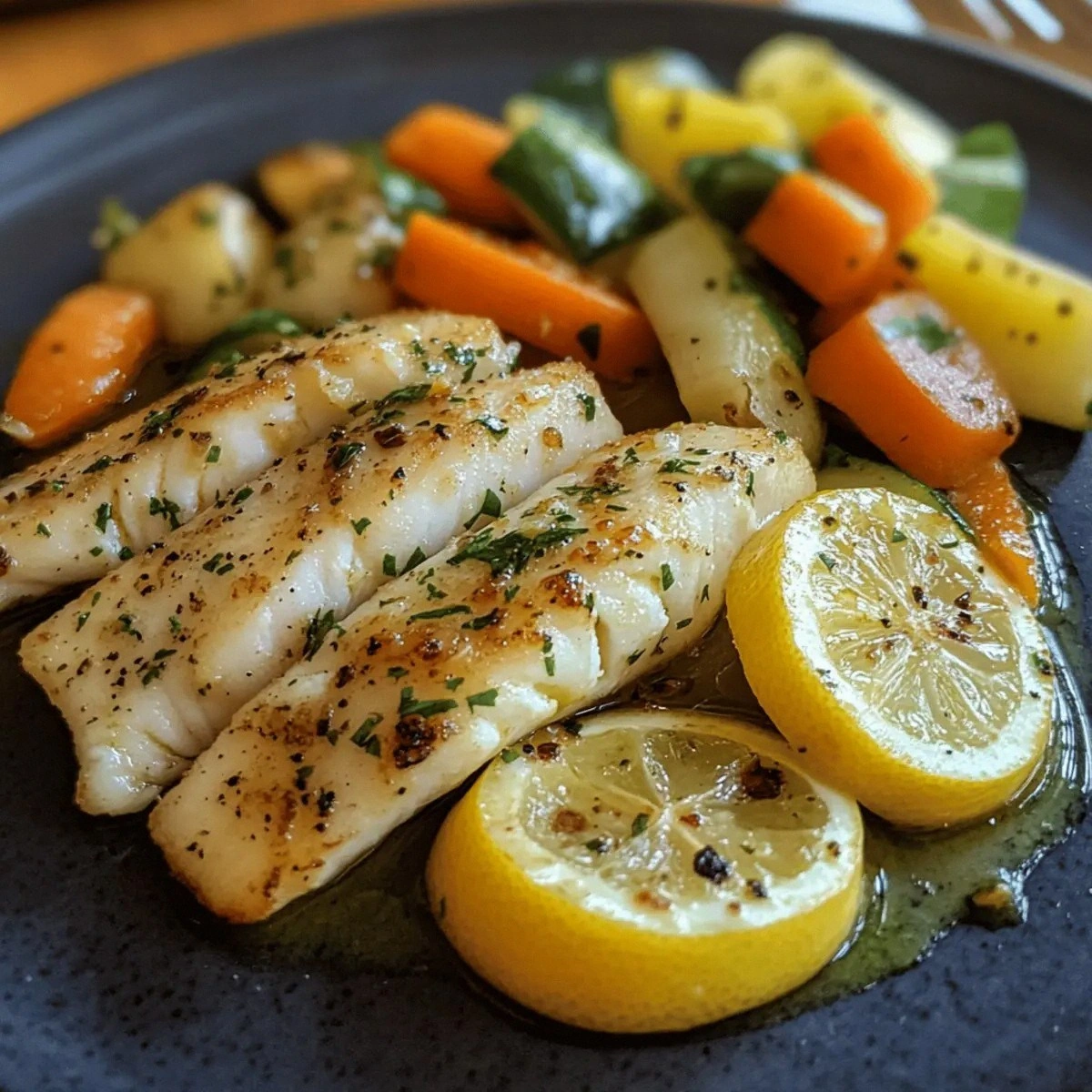
- Plate the fish on a warm serving dish, arrange the steamed vegetables around it, and drizzle any remaining sauce over the vegetables. Sprinkle freshly chopped parsley and a few lemon wedges on top for a pop of color and extra freshness.
- Serve immediately, encouraging guests to squeeze an extra lemon wedge over the fish if they crave a brighter citrus kick. The final dish is a symphony of flaky fish, crisp vegetables, and a zesty, aromatic sauce that will leave everyone asking for seconds.
That's it — you did it. But hold on, I've got a few more tricks that'll take this to another level…
Insider Tricks for Flawless Results
The Temperature Rule Nobody Follows
Many people think that a high heat is always better for searing fish, but the truth is a moderate heat keeps the fillets moist. Cook the tilapia over medium‑high heat until the surface develops a golden crust, then lower the heat to medium for the final simmer. This technique ensures a tender interior while preventing the fish from drying out.
Why Your Nose Knows Best
The scent of garlic sizzling in oil is a signal that the flavor is building. If the garlic starts to brown too quickly, reduce the heat or add a splash of water. A slightly steamed garlic will keep its sweet, mellow aroma without turning bitter.
The 5‑Minute Rest That Changes Everything
After the fish is cooked, let it rest for 5 minutes before plating. This short rest allows the juices to redistribute throughout the fillet, ensuring every bite is juicy and flavorful. Resting also gives the lemon‑garlic sauce time to thicken slightly, making it easier to coat the fish and vegetables evenly.
The Freshness Factor
Fresh fish is the cornerstone of any great seafood dish. Look for fillets that have a mild scent and a firm, slightly translucent appearance. If you’re buying frozen fish, thaw it in the refrigerator overnight and pat it dry before cooking.
The Secret Ingredient
A pinch of salt at the end of cooking can bring out the brightness of the lemon and the depth of the garlic. Add it just before plating, and you’ll notice a subtle lift in the overall flavor profile.
Creative Twists and Variations
This recipe is a playground. Here are some of my favorite ways to switch things up:
Spicy Citrus Twist
Add a pinch of red pepper flakes to the garlic sauté for a subtle heat that contrasts the bright lemon. The spice elevates the dish, making it perfect for those who love a little kick.
Herbal Garden Variation
Swap parsley for fresh dill or basil. Both herbs provide a fresh, aromatic note that pairs wonderfully with fish, offering a different flavor profile each time.
Mediterranean Flair
Incorporate diced tomatoes and a drizzle of extra‑virgin olive oil into the sauce. The tomatoes add a sweet, tangy depth that brings the dish closer to a classic Mediterranean plate.
Coconut‑Infused Delight
Replace half the olive oil with coconut milk for a subtle, creamy finish. The coconut complements the lemon and garlic, creating a tropical twist that is surprisingly balanced.
Vegan Version
Omit the fish entirely and double the vegetables. Add a splash of soy sauce and a sprinkle of nutritional yeast for umami, turning the dish into a hearty, plant‑based meal.
Storing and Bringing It Back to Life
Fridge Storage
Store the cooked fish and vegetables separately in airtight containers. The fish should be wrapped tightly in plastic wrap or a silicone bag to prevent moisture loss. Consume within 2 days for optimal freshness.
Freezer Friendly
For longer storage, place the fish in a freezer‑safe bag, removing as much air as possible. The vegetables can be frozen in a single layer on a baking sheet before transferring to a bag. Reheat within 2–3 months for best quality.
Best Reheating Method
To reheat, gently warm the fish in a skillet over low heat, adding a splash of water or broth to keep it moist. The vegetables can be steamed in a microwave or on the stovetop for 2–3 minutes. A tiny splash of water before reheating steams the dish back to perfection.