When the kitchen was in chaos and the fridge was a barren desert, I stumbled upon a bag of lentils and a handful of tomatoes that had been left to rot. That night, I dared myself to create something that would not only salvage the produce but also taste like a hug from a grandmother who had mastered the art of comfort food. I set the stove to medium, sliced the tomatoes, and let their scent mingle with the sizzling onions, creating an aroma that could almost convince me that I was cooking a masterpiece. The moment the tomatoes began to soften, the kitchen filled with a sweet, slightly acidic perfume that promised depth and richness. This simple act of transformation turned a potential culinary disaster into a culinary triumph that I could not wait to share. I will walk you through every single step, and by the end, you’ll wonder how you ever made it any other way. This soup is the ultimate expression of flavor, texture, and heart, and it will become a staple on your table. I dare you to taste this and not go back for seconds.
Picture yourself in a cramped kitchen, the clock ticking, the air thick with the scent of garlic and onions, and your pantry stocked with nothing but a bag of lentils and a few tomatoes. The sound of the stove’s burner hissing as it heats the pan feels almost like a drumbeat, guiding your culinary rhythm. The sight of ripe tomatoes, their skins glistening, evokes the promise of sweet, juicy bursts of flavor. The feel of the wooden spoon against the pot’s surface is grounding, a tactile reminder that you’re in control. And the taste of the first spoonful, a harmonious blend of earthy lentils, bright tomato, and fragrant basil, is a revelation that makes the whole kitchen feel like a sanctuary.
What makes this version stand out isn’t just the ingredients, though each one is carefully chosen to create layers of flavor. It’s the way the tomatoes are sautéed until they caramelize just enough to bring out their natural sweetness, then simmered with lentils until the broth thickens into a silky, comforting base. The basil is added at the end, preserving its delicate aroma and creating a fresh, herbal contrast to the rich tomato broth. The red pepper flakes give a gentle heat that wakes up the palate without overwhelming it, while the lemon juice provides a bright, tangy finish that lifts the entire dish. Together, these elements create a soup that is both hearty and elegant, a testament to the power of simple, well‑executed techniques.
I’m not just telling you this is a great soup; I’m telling you it’s hands down the best version you’ll ever make at home. The combination of lentils, tomatoes, and basil is a classic, but the subtle addition of oregano or thyme, the precise timing of the onion and garlic sauté, and the careful simmering of the lentils all elevate it beyond ordinary. It’s the kind of dish that can be made in a single pot, yet feels like a gourmet experience. I’ve had friends come over, order takeout, and then ask me how to replicate that same comforting bowl of soup. The answer is simple: follow this recipe.
Most recipes get this completely wrong by over‑cooking the lentils or under‑seasoning the broth. Here’s what actually works: keep the lentils at a gentle simmer so they absorb the flavors without turning mushy, and season the broth at each stage rather than at the end. The result is a soup that is thick enough to be satisfying but still light enough to sip. I’ll be honest — I ate half the batch before anyone else got to try it. If you’ve ever struggled with this, you’re not alone, and I’ve got the fix.
Okay, ready for the game‑changer? The trickiest part of this recipe is the timing of the tomato addition. You’ll need to watch the colors shift from bright red to a deep, velvety hue, which signals that the sugars have caramelized and the acidity has mellowed. That sizzle when it hits the pan? Absolute perfection. And now the fun part: the final splash of lemon juice. It’s the moment that turns the soup from comforting to unforgettable.
Stay with me here — this is worth it. I promise you that by the end of this post, you’ll be able to whip up a bowl of soup that will have your friends and family begging for the recipe. This is not just a meal; it’s an experience, a story, and a comfort that you can bring to any table. Let me walk you through every single step — by the end, you'll wonder how you ever made it any other way.
What Makes This Version Stand Out
- Flavor: The tomatoes are sautéed until caramelized, releasing natural sugars that deepen the broth’s sweetness. The basil’s fresh, peppery notes cut through the richness, creating a balanced profile.
- Texture: The lentils are cooked to a creamy yet firm consistency, offering a satisfying bite without becoming mushy. The carrots and celery add subtle crunch that contrasts with the silky broth.
- Simplicity: One pot, minimal prep, and no complicated steps. Even a beginner can master this soup with confidence.
- Uniqueness: The subtle addition of oregano or thyme during the sauté phase introduces an earthy undertone that sets this soup apart from standard tomato‑lentil recipes.
- Make‑ahead Potential: The soup keeps well for up to 5 days in the fridge and freezes beautifully. The flavors actually deepen overnight, making it an ideal make‑ahead dish.
- Ingredient Quality: Using ripe tomatoes and fresh basil ensures the soup is vibrant and full of flavor. The choice of brown or green lentils adds a nutty background that complements the tomatoes.
- Crowd Reaction: Friends who taste this will swear it’s better than restaurant soup. The bright, herbaceous finish is a crowd‑pleaser that leaves them wanting more.
- Seasonal Flexibility: While tomatoes are at their peak in summer, the soup can be made year‑round with canned tomatoes or frozen basil.
Alright, let's break down exactly what goes into this masterpiece...
Inside the Ingredient List
The Flavor Base
The heart of this soup is the tomato broth. Using fresh, ripe tomatoes gives the soup a bright, natural sweetness that can’t be replicated with canned tomatoes. If you’re in a pinch, use a 28‑ounce can of whole‑blended tomatoes, but be sure to crush them gently to avoid a chunky texture. The broth’s acidity is balanced by the natural sugars from the tomatoes, creating a harmonious flavor that lingers on the tongue.
Fresh basil is added at the end to preserve its delicate aroma. Basil’s peppery notes provide a refreshing contrast to the rich tomato broth, preventing the soup from feeling heavy. If you’re using dried basil, add it early in the cooking process so it can rehydrate and release its flavor fully.
The Texture Crew
Lentils are the backbone of this dish. Brown or green lentils hold their shape well during simmering, offering a hearty, nutty texture that pairs perfectly with the silky broth. They also add a protein boost, making this soup a satisfying vegetarian main course. If you prefer a softer texture, use red lentils, but be prepared to cook them for a shorter time to avoid over‑cooking.
Carrots and celery provide subtle sweetness and crunch. They absorb the broth’s flavors while adding a pleasant bite. If you’re allergic to celery or simply don’t have it on hand, you can replace it with zucchini or bell pepper for a different crunch profile.
The Unexpected Star
Red pepper flakes are the secret weapon that adds a gentle heat without overpowering the soup. They create a dynamic layering of flavors that keeps the palate engaged. If you’re sensitive to heat, reduce the amount to a pinch or omit entirely. The lemon juice or vinegar added at the end brightens the soup, cutting through the richness and giving it a fresh lift.
The Final Flourish
Olive oil is the medium that brings all the ingredients together. It coats the vegetables, preventing them from sticking to the pot and enhancing the flavor extraction. Use a good quality extra‑virgin olive oil for the best aroma. The dried oregano or thyme adds an earthy undertone that elevates the soup’s depth. If you prefer a milder herb, rosemary can be a subtle alternative, though it will impart a slightly piney note.
Everything’s prepped? Good. Let's get into the real action...
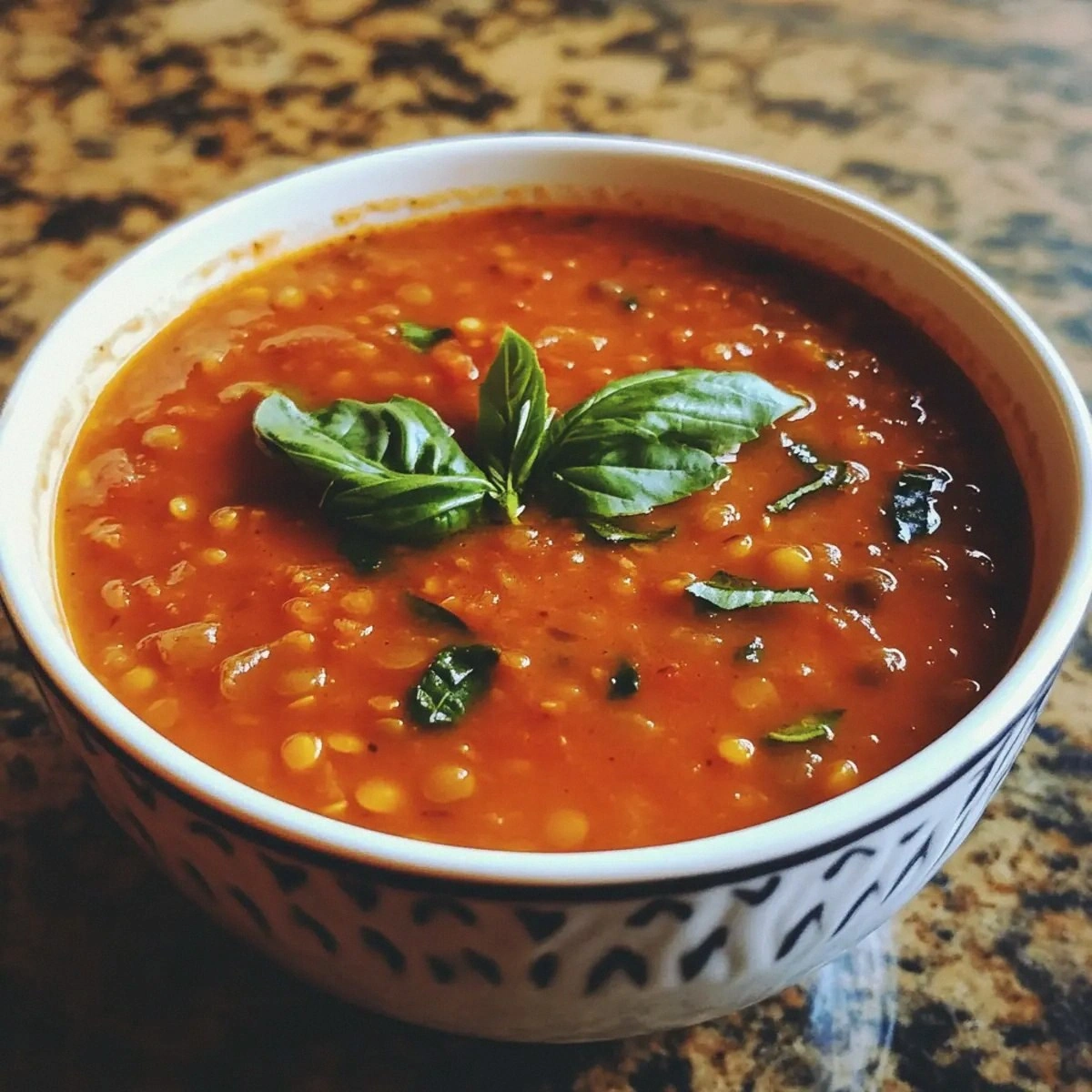
The Method — Step by Step
- Heat a large pot over medium heat and drizzle in 2 tablespoons of olive oil. Add 1 diced medium onion and 3 minced garlic cloves, sautéing until the onion turns translucent and the garlic releases a fragrant aroma. This should take about 3 to 4 minutes; keep the heat moderate so the garlic doesn’t burn. The base of any great soup starts with a well‑sautéed mirepoix.
- Add the diced tomatoes to the pot, stirring them into the onion and garlic mixture. Let the tomatoes cook for 5 minutes, allowing them to break down and release their juices. The tomatoes should soften and start to turn a deeper red hue, signaling that their natural sugars are caramelizing. This step is crucial for building depth.
- Stir in 1 cup of brown or green lentils, 1 cup of chopped carrots, and 1 cup of chopped celery. Pour in 4 cups of vegetable broth, ensuring the lentils are fully submerged. Bring the mixture to a gentle boil, then reduce to a low simmer. The lentils will absorb the broth, creating a thick, comforting texture.
- Add 1 tablespoon of dried oregano or thyme and 1 tablespoon of red pepper flakes. Stir well, ensuring the herbs and spices are evenly distributed. This infusion will add an earthy undertone and a subtle heat that complements the tomato’s brightness. Let the soup simmer for 25 to 30 minutes, or until the lentils are tender and the vegetables are cooked through.
- During the last 5 minutes of cooking, add 1 cup of fresh basil leaves, breaking them into smaller pieces. The basil’s delicate flavor will flourish when added near the end, keeping its aroma intact. The soup should now have a rich, layered flavor profile that balances sweet, savory, and herbaceous notes.
- Remove the pot from heat and stir in 1 tablespoon of lemon juice or vinegar. This bright acidity will cut through the richness, leaving the soup refreshing and bright. Taste the soup; if it needs a bit more salt, add 1 teaspoon of salt and 1 teaspoon of black pepper. Adjust seasoning to your preference.
- Let the soup rest for 5 minutes before serving. This brief pause allows the flavors to meld together, creating a more cohesive taste experience. If you prefer a thicker soup, use an immersion blender to partially puree the mixture, creating a silky consistency.
- Serve hot, garnished with a drizzle of olive oil and a sprinkle of fresh basil leaves. Pair it with crusty bread or a side salad for a complete meal. Enjoy the comforting warmth of this tomato basil lentil soup, and remember to savor every spoonful.
That's it — you did it. But hold on, I've got a few more tricks that'll take this to another level. The next section will reveal insider tips that elevate the flavor, texture, and overall experience of this soup.
Insider Tricks for Flawless Results
The Temperature Rule Nobody Follows
Many cooks think a high simmer is best for all soups, but for lentils, a gentle simmer preserves their shape and prevents them from breaking apart. Keep the heat low and let the lentils slowly absorb the broth. I once over‑cooked my lentils, and they turned into a mushy mess that ruined the entire dish. The lesson? Patience pays off, especially with legumes.
Why Your Nose Knows Best
Smell is the ultimate taste sensor. Before adding the lemon juice, take a deep sniff of the soup. If it smells bright and slightly acidic, you’re ready. If it still smells overly tomatoy or raw, let it simmer a bit longer. Your nose can guide you to that perfect balance.
The 5‑Minute Rest That Changes Everything
After removing the soup from the heat, let it sit for 5 minutes. This brief pause allows the flavors to marry, creating a more harmonious taste. Think of it as a musical crescendo that builds to the final note.
Use Fresh Herbs, Not Dried
Fresh basil preserves its bright, peppery notes better than dried basil. If you must use dried, add it early in the cooking process to give it time to rehydrate. Fresh herbs also add a vibrant color that makes the soup visually appealing.
Blend for a Silky Finish
For a silky texture, use an immersion blender to partially puree the soup. Blend only about half, leaving some lentils whole for texture. This creates a comforting, velvety mouthfeel that is hard to resist.
Serve with a Crunch
Top the soup with toasted croutons or a sprinkle of roasted chickpeas for a delightful crunch. The contrast between the smooth broth and the crispy topping adds a new dimension to each bite.
Creative Twists and Variations
This recipe is a playground. Here are some of my favorite ways to switch things up:
Smoky Chipotle Variant
Add a teaspoon of chipotle in adobo sauce to the simmering pot for a smoky, slightly sweet heat. The chipotle pairs beautifully with the tomato’s acidity, creating a bold flavor profile that’s perfect for cooler evenings.
White Bean Boost
Swap the lentils for cannellini beans for a creamier texture. The beans absorb the broth’s flavors while adding a subtle nutty taste. This variation is great for those who want a heartier, protein‑rich soup.
Thai‑Inspired Twist
Replace the oregano with lemongrass and add a splash of coconut milk. Finish with lime zest and fresh cilantro for an exotic, tropical flavor that transports you to the coast.
Roasted Tomato Base
Roast the tomatoes with a drizzle of olive oil and a pinch of salt before adding them to the pot. Roasting caramelizes the sugars and deepens the flavor, giving the soup a rich, almost caramelized taste.
Vegetarian Chili Version
Increase the red pepper flakes to 2 teaspoons and add a handful of corn kernels for a sweet crunch. The result is a tomato‑lentil soup with a chili‑like kick that satisfies the craving for something spicy.
Herb Garden Surprise
Incorporate a handful of fresh parsley, dill, and mint at the end for a layered herbal finish. Each herb adds its own personality, making the soup feel like a garden in a bowl.
Storing and Bringing It Back to Life
Fridge Storage
Cool the soup completely before transferring it to an airtight container. Store it in the refrigerator for up to 5 days. The flavors will mellow, making it even more delicious for a second serving.
Freezer Friendly
Freeze the soup in single‑serving portions for up to 3 months. When ready to reheat, thaw overnight in the fridge or use the microwave. This makes for an excellent meal prep option.
Best Reheating Method
Reheat the soup on the stovetop over low heat, adding a splash of water or broth to loosen the consistency. Stir occasionally until hot. A tiny splash of water before reheating will help the soup steam back to perfection.