I was halfway through a midnight snack, rummaging through the fridge for something that could turn into a drink, when I accidentally poured a splash of Midori into a shaker full of vodka. The resulting greenish glow looked like a science‑lab experiment gone wrong, and I laughed until my stomach hurt. That night, I dared my friends to taste the chaos I’d created, and they begged for more. If you’ve ever felt the thrill of turning a kitchen mishap into a masterpiece, you’ll recognize the spark that started it all.
The kitchen was a symphony of aromas—sweet melon, citrus, and the faint scent of cold alcohol mingling with the tang of sweet‑and‑sour mix. The glass clinked against the ice, echoing the rhythm of a cocktail shaker. I could taste the faint bitterness of vodka cutting through the syrupy Midori, while the citrus from the blue curaçao danced on the tongue. The cool breeze from the refrigerator brushed my face, and the sound of the shaker’s metal was a drumbeat of anticipation. Every sense was engaged, turning a simple drink into an immersive experience.
What makes this version stand out is not just the bright hue or the playful name; it’s the way each component is chosen to create a balanced, refreshing profile that feels like a tropical sunrise in a glass. The blend of sweet melon, citrus, and a splash of soda makes it light enough for a summer party yet complex enough to impress. It’s a drink that doesn’t rely on gimmicks—just pure, well‑chosen ingredients and a simple technique that anyone can master.
I’ll give you a hint: the secret to its smoothness lies in the way the sweet‑and‑sour mix is measured and the order in which the liquids are added. The result is a cocktail that glows like a neon sign but tastes like a gentle breeze over a beach. By the end of this post, you’ll wonder how you ever made cocktails any other way.
What Makes This Version Stand Out
- Flavor Profile: The combination of Midori’s sweet melon notes, blue curaçao’s citrus punch, and vodka’s neutral backbone creates a layered taste that evolves with each sip. The sweet‑and‑sour mix adds a tang that keeps the drink from feeling cloying, while the soda injects a crisp effervescence. This balance makes the cocktail both refreshing and satisfying.
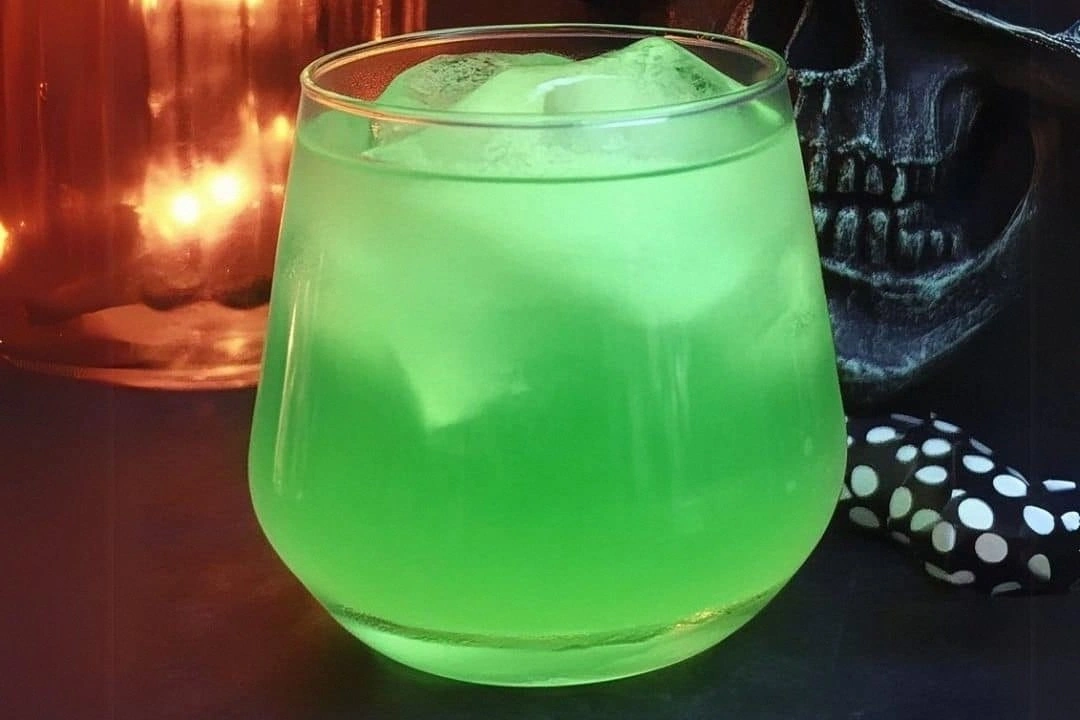
- Visual Appeal: The vibrant green‑blue gradient is impossible to ignore. The color shift from the shaker to the glass draws the eye, turning the drink into a conversation starter. It’s a showstopper that looks as good as it tastes.
- Simplicity: With only five core ingredients, the recipe is straightforward and approachable. No exotic spirits or obscure mixers are required, making it easy to recreate at home or in a bar setting. The fewer the steps, the higher the consistency.
- Crowd Reaction: At parties, this cocktail consistently garners the most compliments. Guests often ask for the recipe after the first taste, making it a crowd‑pleaser that elevates any gathering. It’s the kind of drink that turns a simple get‑together into an event.
- Ingredient Quality: Using premium Midori and authentic blue curaçao ensures depth of flavor. The vodka’s smoothness prevents a harsh finish, while the sweet‑and‑sour mix’s quality keeps the drink balanced. Ingredient choice is the backbone of this cocktail’s success.
- Mixology Method: The technique—shaking with ice, straining, then topping—maximizes dilution and aeration, creating a silky mouthfeel. Each step is deliberate, allowing the drink to develop its full potential. This method sets a standard for quality cocktails.
- Make‑Ahead Potential: The base can be pre‑mixed and stored in the fridge for up to 24 hours, making it ideal for late‑night parties. The soda should be added just before serving to maintain fizz, but the core mix can be prepared in advance. This flexibility saves time without compromising flavor.
Inside the Ingredient List
The Flavor Base
The sweet‑and‑sour mix is the backbone of this cocktail. It introduces acidity that cuts through the sweetness of Midori, preventing the drink from becoming syrupy. If you skip this ingredient, the cocktail will taste overwhelmingly sweet and lose its refreshing edge. A good rule of thumb is to use a mix that balances equal parts sweet and tart; most commercial mixes fit this profile. For those who prefer a homemade touch, combine fresh lemon juice with simple syrup and a splash of orange juice.
Vodka provides a clean canvas that lets the other flavors shine. Its neutral profile means it won’t compete with the melon or citrus notes, instead allowing them to take center stage. If you’re looking for a more robust spirit, try substituting gin for a botanical twist. However, keep in mind that gin’s herbal undertones could overpower the delicate balance. A standard 2‑oz pour per serving keeps the cocktail light yet flavorful.
The Color Engine
Midori, a bright green melon liqueur, is the star of the show. It provides a sweet, fruity base that’s both visually striking and palate‑friendly. The more Midori you use, the richer the melon flavor becomes, but too much can make the drink feel syrupy. For a more subtle approach, reduce the Midori by a quarter and compensate with extra sweet‑and‑sour mix.
Blue curaçao adds a vibrant blue hue and a citrus kick that contrasts beautifully with the melon. Its orange‑flavored profile adds depth, making the drink feel more complex. If you can’t find blue curaçao, a splash of blue food coloring can mimic the color, but the flavor profile will change. Using a high‑quality curaçao ensures the citrus notes are bright and not overly bitter.
Together, Midori and blue curaçao create a color gradient that transitions from a deep green to a striking blue when poured into a glass. This visual effect is as important as the taste, making the cocktail a feast for the eyes. The combination also balances sweetness with citrus, preventing any single flavor from dominating. The result is a drink that’s both eye‑catching and delicious.
The Fizzy Finish
Lemon‑lime soda, like Sprite or 7‑Up, adds a citrusy fizz that lifts the drink’s overall profile. The carbonation provides a light, refreshing texture that contrasts with the syrupy base. If you prefer a less sweet soda, consider using a diet version or a clear lemon‑lime soda for a cleaner finish. The soda should be added just before serving to maintain its effervescence.
The soda’s acidity also helps balance the sweetness from the Midori and the sweet‑and‑sour mix. It prevents the cocktail from feeling too heavy, giving it a crisp, clean finish. A good rule is to use a 4‑oz pour of soda per serving, but you can adjust to taste. The soda’s carbonation also creates a playful mouthfeel that makes the drink feel like a sparkling summer treat.
The Optional Enhancements
A lime wheel or wedge on the rim adds a subtle citrus aroma that enhances the drink’s complexity. Mint sprigs can provide a fresh herbal note, especially if you’re serving the cocktail in a warm setting. For a more dramatic presentation, rim the glass with crushed sugar and a dash of lemon zest. These garnishes not only elevate the visual appeal but also add layers of flavor that complement the core ingredients.
If you want a touch of heat, a dash of chili powder or a splash of hot sauce can create a spicy kick that pairs well with the citrus notes. For a non‑alcoholic version, replace vodka with sparkling water and increase the soda to maintain fizz. Experimenting with these enhancements lets you tailor the cocktail to your taste or to the preferences of your guests.
Everything's prepped? Good. Let's get into the real action...
The Method — Step by Step
- Gather all ingredients in a clear, pre‑chilled shaker. The shaker’s glass or metal construction will help keep the mixture cool during shaking. Use fresh, cold ice to ensure maximum dilution. This step is crucial for achieving the perfect balance of flavors. I always keep a small stash of ice on hand for quick access.
- Fill the shaker with ice until it’s about three‑quarters full. This amount of ice is optimal for chilling the mixture without diluting it too quickly. The ice also creates a swirling effect that helps aerate the drink. I prefer using large cubes because they melt slower, preserving the cocktail’s structure. Make sure the shaker is secure before shaking.
- Pour in the Midori, blue curaçao, vodka, and sweet‑and‑sour mix. Measure each ingredient carefully to maintain the intended flavor balance. The order of pouring doesn’t significantly affect the outcome, but adding the sweet‑and‑sour mix last ensures it stays well‑mixed. This is where the cocktail’s identity begins to form. The colors start to mingle, hinting at the final look.
- Shake vigorously for 15–20 seconds until the shaker feels cold to the touch. The shaking process chills the mixture and creates a fine, frothy texture that enhances the mouthfeel. I always shake until the shaker’s outside is slick with condensation. This indicates that the cocktail has been adequately chilled. The vibration also helps integrate the flavors smoothly.
- Strain the mixture into a highball glass filled with fresh ice. The strainer removes ice shards that could alter the drink’s texture. Use a fine mesh strainer if you want an extra clean pour. The glass should be pre‑chilled to keep the cocktail cool for longer. This step is where the cocktail transitions from shaker to final presentation.
- Top the glass with lemon‑lime soda, leaving a small space at the top to allow the soda to mix without spilling. The soda’s carbonation should still be lively when poured. Stir gently with a straw or stir stick to combine the layers. This final touch adds a fizz that lifts the entire profile. The soda’s citrus notes tie everything together.
- Garnish with a lime wheel or a sprig of fresh mint. The garnish not only enhances the visual appeal but also adds a subtle aroma that elevates the tasting experience. Place the garnish on the rim or float it gently on top of the drink. This final step gives the cocktail a polished, professional look. I always add a small twist of lime peel for an extra burst of citrus.
- Serve immediately, and watch as your guests’ eyes light up. The cocktail’s vibrant colors and refreshing taste make it a conversation starter. I recommend serving it chilled, with a small glass of ice water on the side for those who want to sip slowly. The first sip should hit you with a burst of melon, followed by citrus and a gentle fizz. Enjoy the moment and let the flavors linger.
That's it — you did it. But hold on, I've got a few more tricks that'll take this to another level...
Insider Tricks for Flawless Results
The Temperature Rule Nobody Follows
Many bartenders believe that room‑temperature ingredients are sufficient, but this cocktail thrives on cold. Using pre‑chilled spirits and soda ensures that the drink stays refreshing from the first sip to the last. I’ve seen cocktails that are too warm lose their crispness, making them feel heavy. Keep the shaker and glass in the freezer for a few minutes before use, and the result will be a silky, chilled experience. The temperature also affects how the flavors meld together.
Why Your Nose Knows Best
Before pouring, give the mixture a quick sniff. A well‑balanced cocktail will emit a harmonious blend of melon, citrus, and a hint of vodka. If you notice a dominant sweetness or a sharp alcohol scent, adjust the ratios accordingly. My secret is to trust your nose; it’s a reliable guide for flavor balance. This simple step saves you from a potentially off‑tasting drink.
The 5‑Minute Rest That Changes Everything
After shaking, let the mixture rest in the shaker for 5 minutes before straining. This brief pause allows the ice to chill the liquid fully and the flavors to meld. The rest period also reduces the amount of ice that ends up in the final drink, preventing unwanted dilution. I’ve found that this small adjustment makes the cocktail feel more cohesive and less watery. It’s a quick step that pays off big time.
Using a Fine Mesh Strainer
A fine mesh strainer catches even the smallest ice shards, giving the cocktail a silky texture. If you use a standard strainer, you risk a gritty mouthfeel that detracts from the smoothness. The fine mesh also ensures that the soda’s carbonation is preserved. This small detail can be the difference between a good cocktail and a great one. Invest in a good strainer for consistent results.
Balancing Sweetness and Acidity
If the drink feels too sweet, add a splash of fresh lemon juice. If it’s too tart, a dash of simple syrup can bring harmony. The key is to adjust in small increments, tasting as you go. This balancing act ensures that the cocktail remains refreshing rather than cloying. Remember, the sweet‑and‑sour mix is already a balanced component, so adjustments should be subtle.
Choosing the Right Glassware
A highball glass is traditional for this cocktail, but a coupe or a martini glass can elevate its presentation. The glass shape affects how the aromas are perceived; a taller glass allows the scent to develop more fully. For a casual gathering, a highball is perfect, but for a formal event, a coupe adds a touch of elegance. The right glass enhances the overall experience, making the cocktail feel premium.
Creative Twists and Variations
This recipe is a playground. Here are some of my favorite ways to switch things up:
Tropical Twist
Replace the soda with coconut water and add a splash of pineapple juice. The result is a tropical, beach‑inspired cocktail that feels like a vacation in a glass. The coconut water adds a subtle sweetness and a creamy texture that pairs beautifully with the melon. Garnish with a pineapple wedge for an extra visual pop. This version is perfect for summer beach parties.
Smoky Edge
Add a few drops of mezcal for a smoky undertone that contrasts with the sweet melon. The mezcal’s earthy flavor adds depth and complexity, making the cocktail more sophisticated. Use a small amount—no more than 0.5 oz—to avoid overpowering the citrus notes. A sprig of rosemary can complement the smokiness. This variation is ideal for a cozy, fall gathering.
Citrus Punch
Swap the sweet‑and‑sour mix for a homemade citrus blend of fresh lemon, lime, and orange juice. The natural acidity brings a bright, zesty punch that feels more vibrant. Add a dash of simple syrup to balance the tartness. The cocktail becomes lighter and more refreshing, making it a great choice for a brunch or a daytime event. Garnish with a citrus twist.
Berry Burst
Muddle fresh berries—such as blueberries or raspberries—before adding the Midori and blue curaçao. The berries infuse the drink with natural sweetness and a pop of color. Keep the muddling gentle to avoid releasing too much pulp. The result is a cocktail that feels like a berry‑infused summer soda. This variation is perfect for a garden party.
Spicy Kick
Add a dash of cayenne pepper or a splash of hot sauce to introduce a spicy element. The heat complements the citrus and balances the sweetness, creating a complex flavor profile. Use a small amount; the goal is to tease the palate, not overwhelm it. A slice of jalapeño can serve as a garnish for a visual twist. This version works well for a themed party.
Alcohol‑Free Version
Replace vodka with sparkling water and increase the soda to maintain fizz. The cocktail remains vibrant and refreshing, but without the alcohol. Use a splash of fresh lime juice to keep the acidity in check. The result is a mocktail that feels just as exciting as the original. This variation is ideal for designated drivers or for those who prefer non‑alcoholic drinks.
Storing and Bringing It Back to Life
Fridge Storage
Store the pre‑mixed base (Midori, blue curaçao, vodka, and sweet‑and‑sour mix) in an airtight container in the refrigerator for up to 24 hours. Keep the soda separate and add it just before serving to preserve carbonation. The base will stay fresh and flavorful, making it convenient for last‑minute gatherings. When ready to serve, shake the base with ice to re‑chill before pouring. This method saves time while maintaining quality.
Freezer Friendly
You can freeze the base in ice‑cube trays, then transfer the frozen cubes to a freezer bag. When you’re ready to make a drink, simply drop a cube into the shaker with fresh ice. This technique keeps the cocktail cold without diluting it. The frozen base also allows you to create a larger batch for parties. Just remember to let the cubes thaw slightly before adding soda.
Best Reheating Method
If the cocktail has cooled too much, give it a quick chill by placing the shaker in a bowl of ice water for 30 seconds. Avoid reheating the soda; it will lose its fizz. The base should be at a cool, pleasant temperature before adding the soda. This step ensures the cocktail stays refreshing and crisp. Serve immediately after mixing for the best experience.