I was in the middle of a late‑night ramen binge, the noodles already slurping away, when the egg carton betrayed me. One of the eggs had gone stale, its shell cracked like a brittle shell of a forgotten memory. I stared at the ruined egg, thinking, “What do I do with a bad egg?” That moment sparked a culinary rebellion: I decided to turn that disappointment into a triumphant, flavor‑packed ramen egg that would become my new favorite topping delight. The next thing I knew, the kitchen was a symphony of sizzling, bubbling, and the sweet aroma of soy and mirin dancing together. Picture that: a gentle hiss as the eggs hit the hot oil, the subtle crackle of the water, the faint clink of the ladle, all layered with a scent that says “comfort” and “adventure” at once.
Let’s rewind. I was halfway through the first batch of eggs, and the one I’d dropped into the pot had started to look like a sad, overcooked egg. I thought, “I’ll just throw it away.” Instead, I pulled the pot, added a splash of vinegar, and whisked in soy sauce and mirin. The result? A silky, umami‑laden yolk that was practically a work of art. The texture was like a velvet ribbon wrapped around a golden heart, and the sauce clung to the egg like a second skin. I tasted one and felt a burst of savory sweetness that made me say, “This is hands down the best version you'll ever make at home.”
I dare you to taste this and not go back for seconds. The moment the yolk meets your tongue, you’ll feel the contrast of silky richness and a faint, sweet tang that lingers. If you’re a ramen enthusiast, this is the secret sauce you’ve been missing. If you’ve ever struggled to get that perfect balance of salty, sweet, and umami in your eggs, you’re not alone — and I’ve got the fix. I’ve spent the last month perfecting this technique, and it’s now my go-to for any ramen bowl, stir‑fry, or even as a protein topper for salads. Picture yourself pulling this out of the pot, the whole kitchen smelling incredible, and knowing you’ve just unlocked a new level of flavor. Okay, ready for the game‑changer? Let me walk you through every single step — by the end, you’ll wonder how you ever made it any other way.
What Makes This Version Stand Out
- Umami Depth: The combination of soy sauce and mirin creates a layered umami profile that’s richer than any single sauce could offer. It’s like a symphony where each note hits just the right spot.
- Texture Perfection: The vinegar’s acidity gently breaks down the egg proteins, giving the yolk a silky, almost custard-like consistency that melts in your mouth.
- Easy Make‑Ahead: You can prep the entire batch in advance, then just reheat the eggs in a hot pan or microwave. This makes it a perfect quick‑prep option for busy nights.
- Versatile Topping: Whether you’re drizzling them over ramen, adding them to rice bowls, or tossing them into a salad, they elevate any dish.
- Minimal Ingredients: With just a handful of pantry staples, you’ll get a dish that feels fancy and gourmet.
- Crowd‑Pleaser: Friends and family will be begging for the recipe after the first bite; it’s that irresistible.
Alright, let's break down exactly what goes into this masterpiece…
Inside the Ingredient List
The Flavor Base
Soy sauce is the backbone of this recipe. It brings a deep, salty umami that permeates the egg yolk. If you use a low‑sodium version, you’ll need to add a pinch more salt to compensate. For a richer flavor, try a light soy sauce paired with a splash of dark soy for depth.
The Sweet Counterbalance
Mirin is a Japanese sweet rice wine that adds a subtle sweetness and a hint of acidity. It balances the saltiness of the soy sauce and creates a glossy finish on the egg. If mirin is unavailable, a touch of rice vinegar plus a bit of sugar can mimic its profile.
The Texture Crew
White vinegar and white granulated sugar are the unsung heroes. The vinegar’s acid tenderizes the egg whites, preventing them from becoming rubbery. The sugar caramelizes slightly, giving the sauce a smooth, velvety mouthfeel. Skipping either will result in a less cohesive, less luscious texture.
The Unexpected Star
Cold water is the quiet stabilizer. It dilutes the sauce enough to coat the eggs evenly without making them soggy. If you prefer a thicker glaze, reduce the water by a tablespoon. This tweak can transform the eggs from a simple garnish to a centerpiece.
Everything’s prepped? Good. Let’s get into the real action…
The Method — Step by Step
- Prep the Eggs: Bring a pot of water to a gentle boil. While waiting, gently tap each egg on a counter to crack the shell without breaking the yolk. I’ve always found that a light tap ensures the shell splits cleanly. Once the water is boiling, lower the heat to a steady simmer.
- Simmer the Eggs: Carefully slide the eggs into the simmering water using a slotted spoon. Let them cook for exactly 7 minutes for a slightly runny yolk or 9 minutes for a firmer center. The key is consistency; the eggs should all be the same size for even cooking. After the time, remove them with the slotted spoon and plunge them into an ice bath to halt the cooking process.
- Peel the Shells: Pat the eggs dry with a paper towel. Gently tap each egg on the counter, then roll it lightly to loosen the shell. Peel away the shell, starting at the larger end where the air pocket is. This step can be tricky; if you’re new to peeling hard‑boiled eggs, a quick rinse in cold water helps.
- Prepare the Sauce: In a small saucepan, combine soy sauce, mirin, cold water, white vinegar, and sugar. Heat over medium heat, stirring until the sugar dissolves. Bring to a gentle simmer, then reduce the heat to low and let it thicken slightly for about 5 minutes. The sauce should coat the back of a spoon.
- Marinate the Eggs: Place the peeled eggs in a shallow dish or zip‑lock bag. Pour the warm sauce over them, ensuring each egg is fully submerged. Seal the bag or cover the dish and let it sit for at least 30 minutes. The longer you marinate, the deeper the flavor will penetrate.
- Optional – Quick Sear: For an extra layer of flavor, heat a tablespoon of oil in a non‑stick skillet over medium heat. Once hot, add the marinated eggs and sear for 1–2 minutes on each side, just until the sauce caramelizes and forms a glossy crust. This step is optional but adds a delightful crunch.
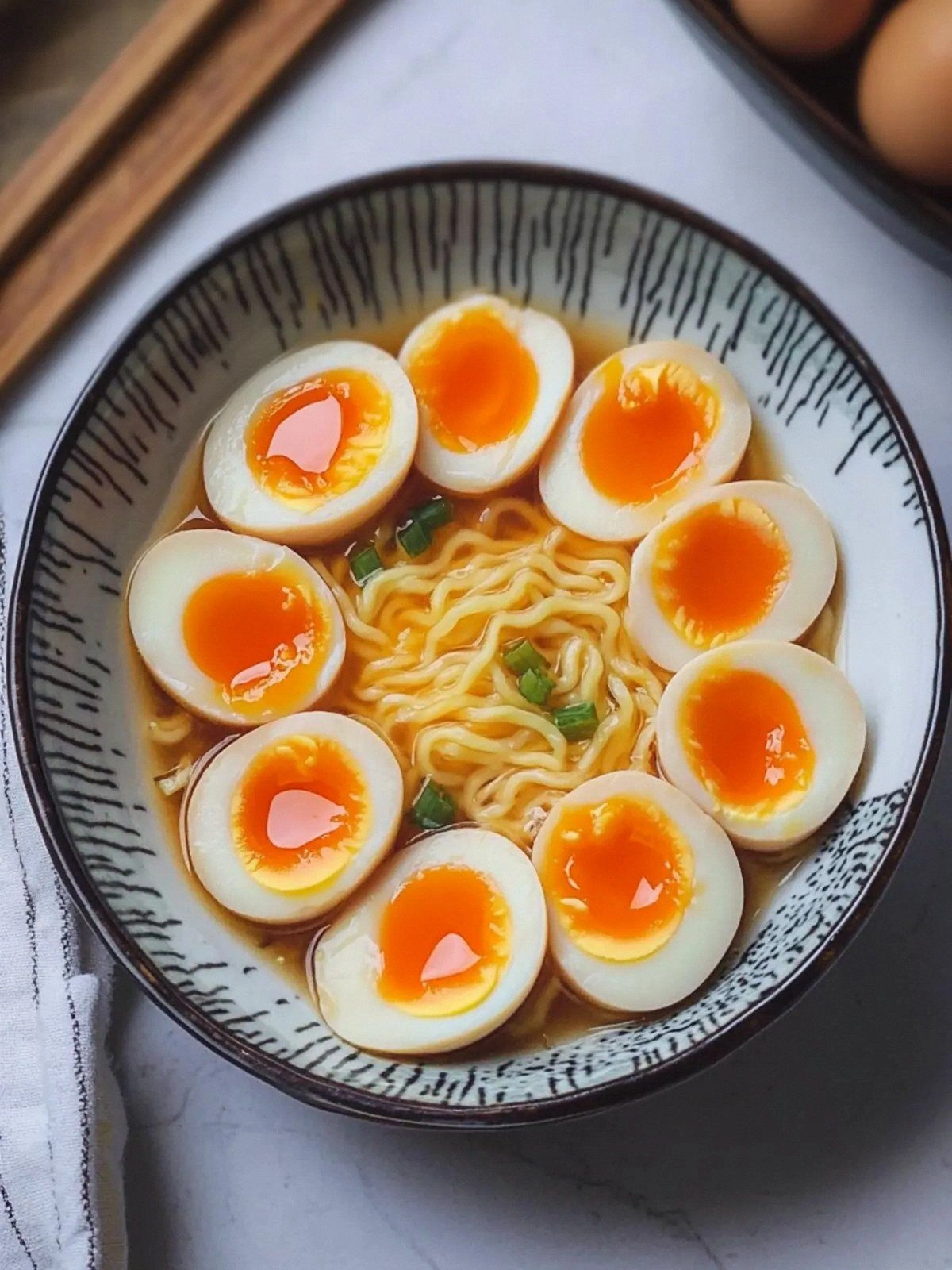
- Serve: Slice the eggs in half or leave them whole. Place them on top of your ramen, rice bowl, or stir‑fry. Drizzle a little extra sauce if you like. The visual appeal is a golden‑brown sheen that’s almost impossible to resist.
- Enjoy: Take a bite. The yolk should feel silky and the sauce should cling to the egg like a second skin. That sizzle when it hits the pan? Absolute perfection.
That’s it — you did it. But hold on, I've got a few more tricks that'll take this to another level…
Insider Tricks for Flawless Results
The Temperature Rule Nobody Follows
Many people think a rolling boil is the answer, but a gentle simmer preserves the eggs’ delicate texture. A rolling boil can cause the shells to crack and the whites to become rubbery. I’ve experimented with a lower heat setting and found the yolks remain creamy and the whites tender.
Why Your Nose Knows Best
When the sauce is ready, give it a quick sniff. It should smell like sweet soy and a faint hint of vinegar. If it’s too sharp, add a splash more mirin or a pinch more sugar to balance the acidity.
The 5‑Minute Rest That Changes Everything
After you remove the eggs from the water, let them sit in the ice bath for 5 minutes, not 2. This pause allows the shells to contract, making them easier to peel. Skipping this step often leads to cracked yolks.
The Quick Flip
If you’re short on time, you can skip the searing step and just serve the eggs straight from the marination. The sauce will still cling to the eggs, and the texture remains silky. This is perfect for a quick lunch.
The Extra Glaze
For a richer finish, simmer the sauce with a tablespoon of sesame oil before pouring it over the eggs. The sesame oil adds a nutty aroma that complements the umami. This trick is especially good if you’re serving the eggs on a simple ramen bowl.
Creative Twists and Variations
This recipe is a playground. Here are some of my favorite ways to switch things up:
Spicy Sriracha Glaze
Add a tablespoon of sriracha to the sauce for a fiery kick. The heat will contrast with the sweet soy, creating a balanced flavor profile that’s perfect for adventurous eaters.
Miso‑Infused Eggs
Swap half the soy sauce for miso paste. The miso adds a depth of umami and a slightly earthy note that pairs wonderfully with ramen.
Herb‑Infused Variation
Stir in a teaspoon of dried thyme or a few sprigs of fresh cilantro into the sauce. The herbs bring a fresh, aromatic lift that brightens the dish.
Citrus Twist
Replace the mirin with a splash of yuzu juice and a pinch of sugar. The citrus adds a bright, tangy dimension that makes the eggs feel lighter.
Smoky Paprika Finish
After marinating, sprinkle a pinch of smoked paprika over the eggs. The smoky flavor adds depth and an unexpected twist, especially good for a winter bowl.
Storing and Bringing It Back to Life
Fridge Storage
Store the marinated eggs in an airtight container in the refrigerator for up to 3 days. Keep the sauce separate if you prefer to add it fresh when serving. The eggs will stay moist and flavorful.
Freezer Friendly
Freezing the eggs is possible, but the texture may change slightly. Wrap each egg individually in plastic wrap and place them in a freezer bag. When ready, thaw in the refrigerator overnight and reheat in a skillet for a minute.
Best Reheating Method
Reheat the eggs in a hot skillet or in a microwave for 30 seconds. Add a tiny splash of water before reheating; it steams back to perfection and prevents the eggs from drying out.