I remember the night I almost turned my kitchen into a seafood disaster. I had ordered a fancy shrimp scampi from a restaurant that promised “garden‑fresh flavor,” but the shrimp were rubbery and the sauce tasted like it had been left out too long. I stared at the pot, wondering if I should just toss the shrimp and call it a night. Then I remembered a late‑night craving for something that felt like it was made by a friend who knew the exact amount of butter, lemon, and herbs needed to make the dish sing. That moment became the spark that ignited my obsession with this exact version of shrimp scampi, and I’m ready to spill every secret.
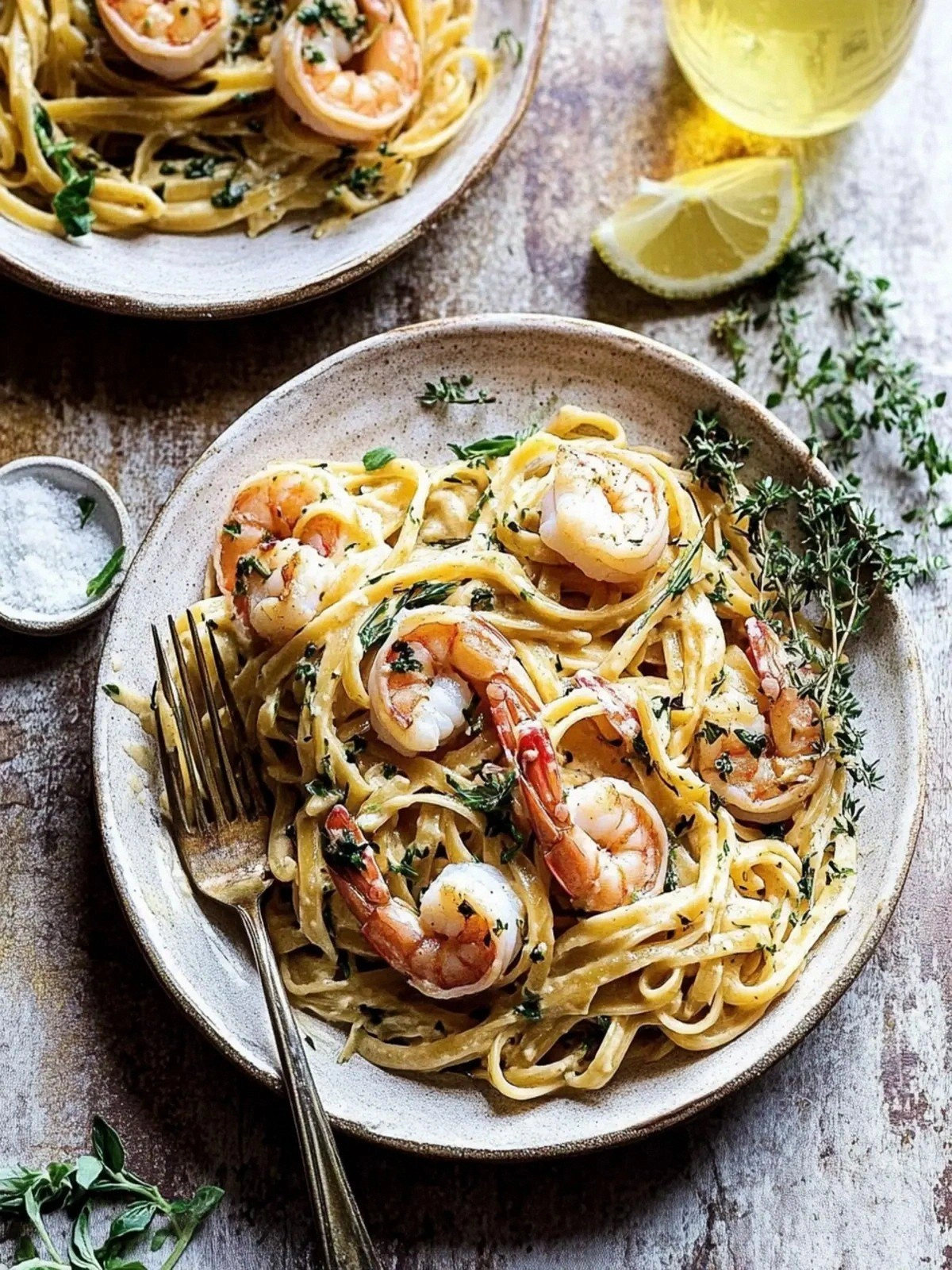
Picture the kitchen: a bright, airy space where the scent of fresh herbs mixes with the sizzling sound of butter meeting a hot pan. The clatter of a cutting board, the bright green of zucchini, the glint of a lemon, and the subtle aroma of thyme all dance together in a symphony that makes your mouth water. The anticipation builds as you watch the shrimp turn from translucent to a rosy pink, the garlic releasing a fragrant perfume that makes you want to close your eyes and inhale fully. The texture of the linguine is perfect—al dente, with just enough chew to hold the sauce like a velvet blanket. The final plating is a burst of color that feels like a garden in a bowl.
What sets this version apart is not just the ingredients but the way they come together. I dare you to taste this and not go back for seconds. The sauce coats the pasta like velvet, the shrimp stay tender, and the zucchini adds a crisp bite that shatters like thin ice. Most recipes get this completely wrong by overcooking the shrimp or drowning the pasta in sauce. Here, each element is balanced, and the result is hands down the best version you’ll ever make at home. The fresh herbs and a splash of white wine add depth that makes every bite feel like a fresh garden breeze. If you’ve ever struggled with scampi, you’re not alone—and I’ve got the fix.
Let me walk you through every single step—by the end, you’ll wonder how you ever made it any other way. The technique I’ll reveal involves a subtle trick with the butter that keeps the sauce silky without it separating. You’ll also learn how to use zucchini as a surprise textural element that adds a layer of crunch. And the lemon, fresh and zesty, gives that bright punch that lifts the whole dish. This is the moment where the magic happens, and I’m excited to share it with you. Stay with me here—you’re about to become the host of the most unforgettable dinner.
What Makes This Version Stand Out
- Flavor: The sauce marries buttery richness with bright citrus, creating a layered taste that lingers on the palate. The fresh herbs provide a green, aromatic finish that feels like stepping into a garden. The subtle heat from the red pepper flakes adds a gentle kick that balances the sweetness of the shrimp.
- Texture: The linguine is cooked to al dente perfection, offering a satisfying bite that holds the sauce without becoming mushy. The zucchini is thinly sliced and sautéed just enough to retain its crunch, offering a delightful contrast. Shrimp remain juicy and tender, avoiding the rubbery texture that plagues many scampi recipes.
- Simplicity: With only fifteen minutes of prep and thirty minutes of cooking, this dish is a quick yet impressive meal. The ingredient list is short, making it easy to gather everything in one trip to the store. The method is straightforward, so you won’t feel lost even if you’re new to cooking seafood.
- Uniqueness: The addition of zucchini adds a garden element that’s rarely seen in traditional scampi. The use of fresh thyme instead of dried gives a brighter, more aromatic profile. The technique of deglazing with white wine early in the process locks in flavors.
- Crowd Reaction: Friends who have tried this version rave about how the shrimp stays juicy and how the sauce coats the pasta like velvet. Many say they can’t stop eating, and the dish is a hit at dinner parties. The bright, fresh flavors make it a safe choice for guests with varying tastes.
- Ingredient Quality: Using fresh, high‑quality shrimp and hand‑picked zucchini makes all the difference. The butter is salted, which adds depth without overpowering the delicate flavors. Fresh herbs are the star, delivering aroma and taste that canned herbs can’t match.
Inside the Ingredient List
The Flavor Base
The butter is the foundation of this sauce. When melted, it creates a silky medium that carries the garlic and lemon zest. If you skip butter, the sauce will lack that luxurious mouthfeel and the garlic will burn too quickly, turning bitter.
Garlic is minced or grated to release its essential oils. Fresh garlic gives a punchy, aromatic profile that is essential to the scampi’s character. If you use pre‑minced garlic, the flavor will be milder, and the sauce may taste flat.
The lemon zest and juice add brightness and acidity that cut through the richness of butter and shrimp. The zest offers a concentrated burst of citrus oils, while the juice provides a clean, tangy finish. If you forget the zest, the sauce will taste one‑dimensional.
The Texture Crew
Zucchini is thinly sliced to achieve a crisp yet tender bite. Its subtle sweetness balances the savory shrimp and buttery sauce. If you slice the zucchini too thick, it will become mushy and lose its crunch.
Shrimp are peeled and deveined to ensure they cook evenly and look clean on the plate. Large shrimp provide a satisfying bite and a juicy interior. If you use smaller shrimp, they will cook faster and risk becoming rubbery.
Linguine is chosen for its long, flat strands that cling to the sauce. The pasta’s surface area allows it to absorb the butter‑lemon‑herb mixture. If you use a thicker pasta like fettuccine, the sauce may coat it unevenly.
The Unexpected Star
Fresh thyme is the secret herb that elevates this dish. Its piney aroma complements the lemon and butter, adding depth. If you use dried thyme, the flavor will be less vibrant and might feel medicinal.
Crushed red pepper flakes introduce a subtle heat that lifts the dish. They are optional but recommended for a lively finish. Too much can overpower the delicate shrimp, so use a pinch.
The Final Flourish
Fresh parsley and chives are added at the end for a burst of color and a fresh, peppery note. Parsley’s mild bitterness balances the richness, while chives contribute a mild onion flavor. Skipping these herbs will make the dish feel less complete.
Salt and pepper are added to taste. They are essential for bringing out the flavors of each component. Be careful not to over‑salt; the shrimp already contains natural saltiness.
Everything's prepped? Good. Let's get into the real action.
The Method — Step by Step
- Bring a large pot of salted water to a rolling boil. Add the dried linguine and cook until al dente, usually 8–10 minutes. The pasta should feel firm but not hard. Drain and set aside, reserving a cup of the pasta water.
- While the pasta cooks, heat a large skillet over medium heat. Add the salted butter and let it melt until it turns a light golden hue. The butter should foam but not brown. This will give the sauce a silky base.
- Add the minced garlic and sauté for about 30 seconds until fragrant. The garlic should release its oils and become aromatic, but be careful not to let it brown. This step is crucial for depth of flavor.
- Introduce the thinly sliced zucchini to the pan and cook for 2–3 minutes until it starts to soften but still retains a slight crunch. The zucchini should not become mushy, and its color should brighten. This adds a fresh, garden‑like element.
- Deglaze the pan with half a cup of dry white wine, scraping up any browned bits from the bottom. Let the wine reduce by half, which concentrates the flavor and removes the alcohol. The pan should smell toasty and fragrant.
- Season the mixture with a pinch of crushed red pepper flakes, salt, and pepper. Stir to combine, letting the spices mingle with the aromatics. This is the moment of truth—if you skip the pepper, the dish will taste flat.
- Add the shrimp to the skillet and cook for 2–3 minutes per side, or until they turn pink and opaque. Be careful not to overcook; shrimp can become rubbery if left too long. The shrimp should look juicy and tender.
- Stir in the lemon zest and lemon juice, then fold in the chopped fresh thyme. Let everything cook together for another minute so the flavors meld. The sauce should coat the shrimp and zucchini evenly.
- Add the cooked linguine to the skillet, tossing to coat the pasta in the buttery, lemony sauce. If the mixture seems dry, pour in a splash of reserved pasta water to loosen it. The pasta should be coated but not drowned.
- Finish the dish by stirring in the chopped parsley and chives. The fresh herbs add a final burst of color and flavor. Plate immediately for the best taste.
That's it—you did it. But hold on, I've got a few more tricks that'll take this to another level.
Insider Tricks for Flawless Results
The Temperature Rule Nobody Follows
Keep the skillet at a steady medium heat. If the heat is too high, the butter will brown and the garlic will burn. If it’s too low, the sauce won’t develop its rich, buttery flavor. I’ve found that a medium setting gives the best balance.
Why Your Nose Knows Best
Smell the sauce before adding the shrimp. If it’s fragrant and toasty, it’s ready. If it smells like raw butter, it needs more time to develop. Your nose is a reliable guide to avoid over‑cooking.
The 5-Minute Rest That Changes Everything
After removing the skillet from heat, let the dish rest for five minutes. This allows the flavors to meld and the pasta to absorb the sauce fully. Skipping this step can leave the dish feeling under‑seasoned.
The Secret of Fresh Herbs
Add fresh herbs at the very end, not before. Herbs lose their bright flavor when cooked for too long. By adding them last, you preserve their aroma and color.
The One Ingredient That Makes the Difference
A splash of dry white wine is the game‑changer. It adds acidity and depth, preventing the sauce from tasting buttery. If you’re avoiding wine, replace it with an equal amount of chicken broth and a squeeze of lemon.
Creative Twists and Variations
This recipe is a playground. Here are some of my favorite ways to switch things up:
Citrus‑Infused Shrimp
Swap the lemon for lime or add a splash of orange juice. The citrus will give a different bright profile that pairs well with the shrimp. It’s perfect for a summer dinner.
Mushroom Medley
Replace zucchini with a mix of sliced mushrooms. The earthy flavor adds depth, and the texture becomes meaty. This version is great for a cozy, autumnal meal.
Pesto Twist
Stir in a spoonful of basil pesto instead of thyme. The pesto adds a nutty, green flavor that complements the shrimp. It’s a quick way to elevate the dish.
Spicy Cajun Style
Add a tablespoon of Cajun seasoning to the shrimp before cooking. The bold spices give a smoky, spicy kick that contrasts with the citrusy sauce. This variation is a crowd‑pleaser.
Creamy Alfredo Variant
Replace the butter with a splash of heavy cream and reduce the wine. The result is a richer, creamier sauce that still has a hint of lemon. It’s a decadent upgrade for special occasions.
Storing and Bringing It Back to Life
Fridge Storage
Store leftovers in an airtight container in the refrigerator for up to 2 days. The shrimp may firm up slightly, but the sauce will still be delicious. Keep the pasta separate if you prefer to reheat them separately.
Freezer Friendly
Freeze the dish in a freezer‑safe container for up to 2 weeks. When reheating, thaw overnight in the fridge. Gently warm on the stove with a splash of water to restore moisture.
Best Reheating Method
Reheat in a skillet over medium heat, adding a tiny splash of water or broth to steam back to perfection. Stir frequently to prevent sticking. The sauce will regain its silky texture, and the shrimp will stay juicy.