I was halfway through a Sunday roast when my kitchen decided to stage its own drama. The oven door slid open, the air smelled like burnt sugar, and the chicken I’d marinated for hours fell flat on the counter. My friends were laughing, but I was already plotting a redemption arc. I grabbed the recipe I’d found on a foodie forum and decided this was the perfect moment to test the legend of grilled Aloha chicken. The challenge? Turn a disaster into a dish that will make everyone ask, “How did you do that?”
Picture the moment the grill sizzles, the aroma of pineapple and soy sauce wafting through the kitchen, and the sound of a perfectly seared crust cracking like a thin ice sheet. The sight of the chicken turning from pale to a golden-brown caramelized glaze feels like a sunrise in a pan. The taste is a marriage of sweet, salty, and a hint of heat that lingers on the palate like a well‑played guitar solo. The texture—tender inside, crunchy edges—creates a satisfying contrast that makes each bite a small celebration. And the best part? It’s not a gimmick; it’s a dish that works every single time, no matter the skill level.
What makes this version stand out from every other grilled chicken recipe is the strategic layering of flavors and the use of fresh pineapple, not canned. The sauce coats the meat like velvet, while the pineapple slices act as natural caramelizers, preventing the grill from scorching. The balance of sweet and savory is achieved with a simple, yet precise ratio of pineapple juice, soy sauce, and honey, leaving no room for clashing tastes. The subtle heat from red pepper flakes adds a whisper of spice that doesn’t overpower the sweetness, making it approachable for all palates. Finally, the finishing touch of lime juice and sesame oil gives it that bright, nutty finish that feels both exotic and comforting.
I dare you to taste this and not go back for seconds, because the flavor profile is so complete that the first bite will leave you craving more. Most recipes get this completely wrong by over‑cooking the chicken or under‑marinating it, but here the technique ensures the meat stays juicy while the glaze locks in the sweetness. If you’ve ever struggled with a grilled chicken that turns out dry or too sweet, you’re not alone—and I’ve got the fix. Picture yourself pulling this out of the grill, the whole kitchen smelling incredible, and guests gathering around the table, eyes wide in anticipation. This is hands down the best version you’ll ever make at home.
Let me walk you through every single step—by the end, you’ll wonder how you ever made it any other way. The next few sections will reveal the secrets that elevate this dish from ordinary to unforgettable. Keep your senses ready because the sizzle, the aroma, the colors—they’re all part of the experience. Stay with me here—this is worth it, and the payoff is a plate that looks as good as it tastes. Ready? Let’s dive in.
What Makes This Version Stand Out
- Flavor Depth: The combination of pineapple juice, soy sauce, and honey creates a complex profile that balances sweet, salty, and umami, ensuring every bite is layered with taste.
- Texture Contrast: The grill’s high heat caramelizes the surface, producing a crisp exterior while the chicken remains tender inside, a satisfying bite that’s hard to beat.
- Simplicity: Only ten ingredients, all of which you likely already have in your pantry or fridge, make this a quick, fuss‑free dinner that can be whipped up in under an hour.
- Make‑ahead Friendly: Marinate the chicken a day ahead and keep it in the fridge; the flavors will deepen, giving you more time to prep the rest of the meal.
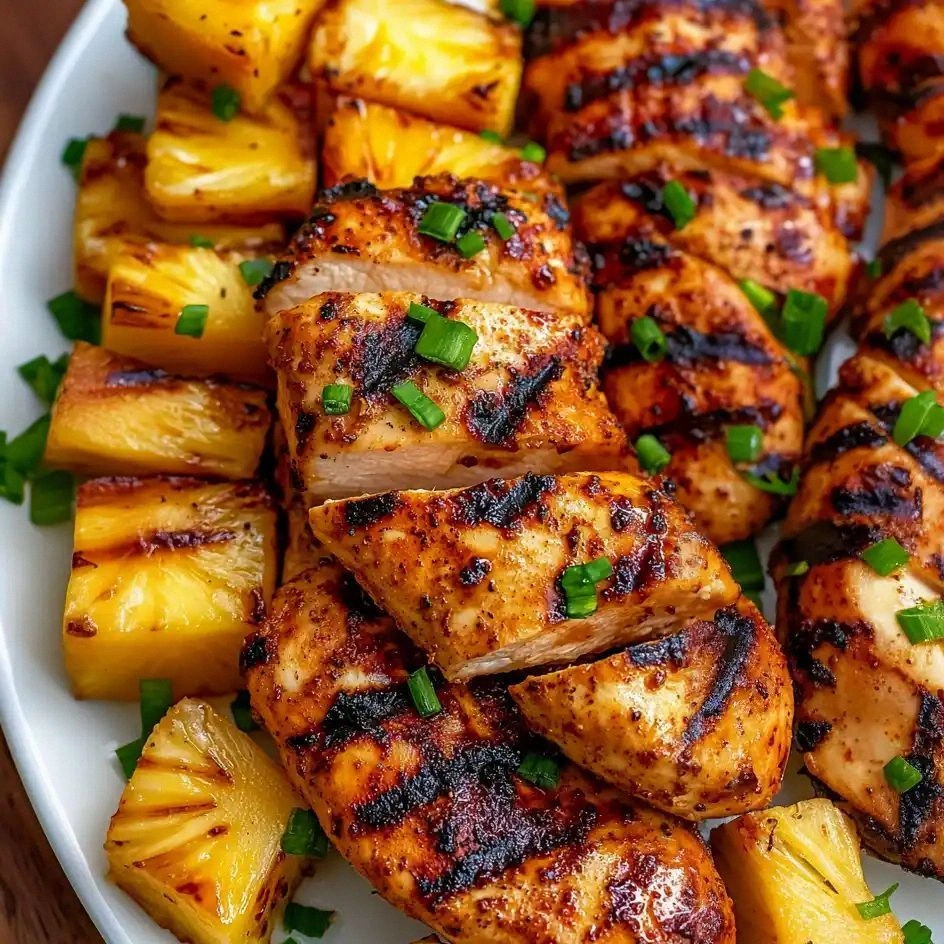
- Visual Appeal: The glossy glaze and bright pineapple slices give the dish a vibrant, Instagram‑ready look that will impress any guest.
- Heat Control: The subtle inclusion of red pepper flakes offers just enough kick without overpowering the sweet and savory notes, making it versatile for different heat preferences.
- Fresh Ingredient Edge: Using fresh pineapple rather than canned preserves the natural sweetness and adds a fresh, bright flavor that canned versions can’t match.
- All‑in‑One Sauce: The glaze serves as both a cooking medium and a finishing sauce, eliminating the need for extra sauce bowls or dipping sauces.
Inside the Ingredient List
The Flavor Base
Pineapple juice is the cornerstone of this dish, providing natural sweetness and acidity that helps tenderize the chicken. It also contributes a subtle tropical aroma that instantly signals “Aloha” to anyone who sees the dish. If you can’t find fresh pineapple juice, a splash of apple juice works as a close substitute, though the flavor will be slightly less vibrant. A tip: choose a pineapple that’s slightly underripe—its juice will be sweeter and less tangy, giving the glaze a richer profile.
The Texture Crew
Soy sauce or teriyaki sauce brings umami and depth, balancing the sweetness of the pineapple. The brown sugar or honey adds body to the glaze, helping it adhere to the chicken and develop a glossy finish. Garlic and ginger infuse the sauce with sharp, aromatic undertones that cut through the richness of the honey. If you’re sensitive to sodium, use a low‑sodium soy sauce and reduce the amount of honey slightly; the result will still be delicious.
The Unexpected Star
Sesame oil adds a subtle nutty aroma that elevates the sauce’s complexity. It also helps in achieving a slightly crisp texture on the grill’s surface. If you’re vegan or allergic to sesame, a dash of toasted coconut oil can provide a comparable depth of flavor. The lime juice adds a bright, citrusy finish that cuts through the richness, leaving a clean finish on the palate.
The Final Flourish
Black pepper and red pepper flakes are the final touch that gives the dish a gentle heat and a peppery bite. The pepper also enhances the overall flavor profile by adding subtle bitterness that balances the sweetness. If you prefer a milder version, reduce the red pepper flakes to a quarter teaspoon or omit them entirely. Remember, the key to a balanced glaze is to taste as you go; a pinch of pepper can transform the entire dish.
Everything’s prepped? Good. Let’s get into the real action.
The Method — Step by Step
- Start by patting the chicken breasts dry with paper towels; this ensures a better sear and prevents steaming. Season both sides with a pinch of black pepper and a light dusting of salt. The pepper’s slight bite will carry through the glaze, giving each bite a subtle kick. This is the moment of truth: the chicken’s surface should feel slightly tacky, ready to absorb the sauce.
- In a bowl, whisk together pineapple juice, soy sauce, brown sugar, minced garlic, grated ginger, lime juice, sesame oil, and red pepper flakes until the sugar dissolves completely. The mixture should look glossy and slightly thickened. If the sauce is too runny, let it sit for a few minutes; the sugars will thicken as it cools. Pour the mixture over the chicken, making sure each piece is fully coated.
- Cover the bowl with plastic wrap and refrigerate for at least 30 minutes, preferably 1 hour, to allow the flavors to penetrate the meat. While the chicken marinates, preheat your grill to medium‑high heat (about 375°F). A properly heated grill is crucial for achieving that caramelized crust.
- Remove the chicken from the fridge and let it sit at room temperature for 10 minutes; this helps the meat cook evenly. Brush the grill grates with oil to avoid sticking. Place the chicken on the grill, skin side down if applicable. The first side should sizzle loudly, indicating the grill is hot enough.
- Cook for 4-5 minutes on the first side, then flip and brush with more glaze. The surface should develop a caramelized crust and the edges will start pulling away from the grill. Use a spatula to check the internal temperature; it should read 165°F when done.
- After flipping, reduce the grill heat to medium to prevent the glaze from burning. Continue grilling for another 4-5 minutes, brushing occasionally. The glaze will thicken into a glossy, sticky coating that clings to the chicken like a second skin. This step is critical for achieving that signature Aloha shine.
- While the chicken rests, slice the fresh pineapple into rings about 1/4 inch thick. The pineapple rings will be grilled alongside the chicken, caramelizing on the edges and adding a sweet, juicy contrast. If you prefer, you can also grill the pineapple rings for 2 minutes per side, just until they develop a golden crust.
- Once the chicken reaches 165°F, remove it from the grill and let it rest for 5 minutes. Resting allows the juices to redistribute, keeping the meat moist and flavorful. While it rests, drizzle a little extra glaze over the pineapple rings for an extra burst of sweetness.
- Arrange the grilled chicken and pineapple on a platter, spooning any remaining glaze over the top. Garnish with fresh cilantro or sliced green onions for a pop of color and freshness. Plate it up and serve immediately while the glaze is still glossy and the pineapple is warm.
- If you have leftovers, store them in an airtight container in the fridge for up to 3 days. Reheat in a skillet over medium heat, brushing with a splash of pineapple juice to keep the glaze from drying out. Serve over rice or quinoa for a complete meal.
Insider Tricks for Flawless Results
The Temperature Rule Nobody Follows
Many cooks think any high heat will do the job, but the secret is to start at medium‑high and then drop to medium for the finishing minutes. This prevents the glaze from burning while still giving the chicken a crisp crust. I once grilled at full blast and ended up with a burnt exterior and a raw interior—an experience I’ll never forget.
Why Your Nose Knows Best
Smell the glaze as it cooks; it should emit a sweet, caramelized aroma that signals it’s ready for the next step. If it starts to smell bitter or burnt, it’s time to lower the heat or add a splash of pineapple juice to dilute the sugars. Trust your nose—it’s a reliable guide to flavor development.
The 5‑Minute Rest That Changes Everything
Resting the chicken after grilling allows the juices to redistribute, preventing the meat from drying out. I’ve seen people skip this step and end up with a dry, rubbery chicken that’s a far cry from the juicy, melt‑in‑your‑mouth texture we’re after. Give it that five‑minute grace period, and you’ll taste the difference.
Don’t Skip the Pineapple Rings
The pineapple isn’t just a garnish; it’s a flavor component that balances the savory glaze. Skipping it reduces the dish’s brightness and can leave the chicken feeling heavy. Grill the pineapple rings just until they’re caramelized, and you’ll add a sweet, juicy contrast that elevates the whole plate.
Use Fresh Garlic, Not Powder
Fresh garlic gives a bright, sharp punch that powder can’t replicate. The fresh cloves release more aromatics during cooking, infusing the glaze with a lively aroma. If you’re short on time, a teaspoon of garlic powder works, but the flavor will be muted.
Add a Splash of Water Before Reheating
When reheating leftovers, a tiny splash of water or pineapple juice will create steam that keeps the chicken moist. It also helps re‑melt the glaze, restoring that glossy finish. This trick is a lifesaver for busy weeknights when you’re craving leftovers.
Use a Cast‑Iron Skillet for Searing
If you don’t have a grill, a cast‑iron skillet can mimic the sear and caramelization. Preheat the skillet until it’s smoking hot, then add a bit of oil before placing the chicken. The high heat will produce a beautiful crust, and you can finish the chicken with the glaze in the same pan.
Keep the Glaze Warm Until Serving
If you’re preparing the chicken ahead of time, keep the glaze in a warm, covered container so it doesn’t thicken. A quick warm‑water bath or a slow‑cooking approach will maintain its viscosity, ensuring it coats the chicken beautifully when you’re ready to serve.
Creative Twists and Variations
This recipe is a playground. Here are some of my favorite ways to switch things up:
Spicy Mango Madness
Swap the pineapple juice for mango nectar and add a diced jalapeño to the glaze. The mango’s sweet acidity pairs wonderfully with the heat, creating a tropical kick that’s perfect for summer gatherings. Serve over coconut rice for a complete island vibe.
Herbal Hawaiian Fusion
Add fresh basil and mint to the glaze for an herbal twist. The greens add a refreshing layer that complements the sweet and savory notes. Garnish with chopped cilantro for an extra burst of color.
Citrus Burst Variation
Replace the lime juice with orange and grapefruit juice for a citrusy brightness. The slightly bitter grapefruit cuts through the sweetness, giving the dish a complex finish. Pair with a light quinoa salad for a balanced meal.
Smoky BBQ Twist
Add a tablespoon of smoked paprika to the glaze for a smoky undertone. This variation works well if you’re grilling over charcoal or wood chips. The smoky flavor pairs beautifully with the caramelized pineapple.
Sriracha Sweet Heat
Stir in a tablespoon of sriracha for an extra kick. The sriracha’s heat blends with the sweet glaze, creating a bold flavor profile that’s perfect for adventurous eaters. Serve with a side of cucumber salad to balance the heat.
Roasted Garlic Variation
Replace fresh garlic with roasted garlic cloves for a mellow, caramelized flavor. Roasting the garlic brings out a natural sweetness that complements the pineapple. This version is especially good for a cozy family dinner.
Pineapple Coconut Delight
Add a tablespoon of coconut milk to the glaze for a creamy, tropical twist. The coconut milk softens the acidity and adds a silky texture. Pair with a grilled pineapple salsa for an extra burst of flavor.
Balsamic Pineapple Fusion
Drizzle a splash of balsamic reduction over the finished dish. The tangy sweetness of balsamic pairs unexpectedly well with the pineapple, creating a sophisticated flavor profile. This variation is great for a dinner party where you want to impress.
Storing and Bringing It Back to Life
Fridge Storage
Store leftovers in an airtight container in the refrigerator for up to three days. Keep the chicken and pineapple slices separate to prevent the pineapple from absorbing too much moisture. Reheat in a skillet over medium heat, brushing with a splash of pineapple juice to keep the glaze from drying out. Serve immediately for the best texture.
Freezer Friendly
Freeze the chicken and pineapple in separate freezer bags, pressing out as much air as possible. Store for up to two months. Thaw overnight in the refrigerator before reheating. When reheating, add a teaspoon of water or pineapple juice to re‑moisturize the glaze.
Best Reheating Method
The quickest way to revive the dish is to heat it in a skillet over medium heat, adding a small splash of water or pineapple juice to create steam. This technique helps restore the glaze’s glossy finish and keeps the chicken tender. Avoid microwaving, as it can make the chicken rubbery and the glaze uneven.