Picture this: I’m standing in a cramped kitchen, a burnt batch of chicken on the stove, and a friend daring me to whip up a “Tuscan” dish that actually tastes like the Italian coast, not a sad, soggy pasta. I was laughing, but the scent of scorched garlic was a clear sign that something was wrong. That night, I decided to take the recipe seriously, and the result? A dish that sings with fresh herbs, crisp vegetables, and a silky sauce that clings to every strand of pasta like velvet. I swear, the first bite made me drop my fork in disbelief, and I’m still convinced it’s the best version you’ll ever make at home.
The moment you bring this dish to life, the kitchen turns into a sensory playground. The aroma of sautéed garlic and onions wafts through the air, mingling with the bright, citrusy scent of lemon zest. As the pasta simmers, the steam carries the subtle sweetness of cherry tomatoes, while the olive oil glistens like liquid gold. The sound is a comforting hiss, a reminder that everything is moving in harmony. When you finally taste it, the flavors burst—tangy tomatoes, nutty Parmesan, a hint of heat from red pepper flakes, and that unmistakable Italian herb chorus that lingers on your palate.
What sets this version apart is that it’s not just a recipe—it’s a carefully engineered experience. I’ve trimmed the fat, swapped heavy cream for a splash of low‑fat milk, and added a handful of spinach for that fresh, green punch. The pasta is whole‑wheat, giving it a nutty undertone that pairs beautifully with the bright tomato base. And the finish? A sprinkle of fresh basil that gives the dish that final, fragrant flourish that makes you want to taste again and again. I dare you to taste this and not go back for seconds; it’s that addictive.
There’s one little trick that most people miss: a splash of lemon juice right before serving. It brightens the sauce, balances the richness, and gives the dish that extra zing that makes it feel like a true Tuscan masterpiece. Let me walk you through every single step—by the end, you’ll wonder how you ever made it any other way.
What Makes This Version Stand Out
- Taste: The sauce is a harmonious blend of tomatoes, garlic, and a dash of lemon that cuts through the richness, while the Parmesan adds a savory depth that lingers on the tongue. Every bite feels like a trip to the Tuscan countryside.
- Texture: Whole‑wheat pasta provides a hearty bite, and the spinach adds a subtle chew that keeps the dish from feeling too soft. The sauce coats the noodles like a silky blanket, ensuring no grain is left behind.
- Health: By swapping cream for low‑fat milk and adding spinach, the dish is lower in calories yet higher in vitamins without compromising flavor.
- Speed: The entire process takes under an hour, making it perfect for weeknight dinners or a last‑minute dinner party.
- Versatility: The recipe can be doubled or halved with ease, and the ingredients are pantry staples that most people already own.
- Crowd‑pleaser: Guests rave about the bright, fresh flavors and the comforting, familiar pasta texture. It’s the kind of dish that turns a simple dinner into a memorable experience.
- Make‑ahead: The sauce can be prepared in advance and refrigerated, and the pasta can be cooked and cooled before re‑heating, making it a stress‑free option for busy schedules.
Alright, let’s break down exactly what goes into this masterpiece…
Inside the Ingredient List
The Flavor Base
The foundation of this dish is a simple yet powerful combination of garlic, onions, and Italian seasoning. Garlic releases a robust aroma when sautéed, creating a fragrant backdrop that elevates every other ingredient. Onions add a subtle sweetness that balances the acidity of the tomatoes, while Italian seasoning infuses the sauce with basil, oregano, and thyme flavors that echo the Tuscan landscape. Skipping any of these would leave the dish feeling flat and incomplete. For a touch of brightness, a splash of lemon juice at the end can transform the sauce’s profile, cutting through the richness and adding a fresh lift.
The Texture Crew
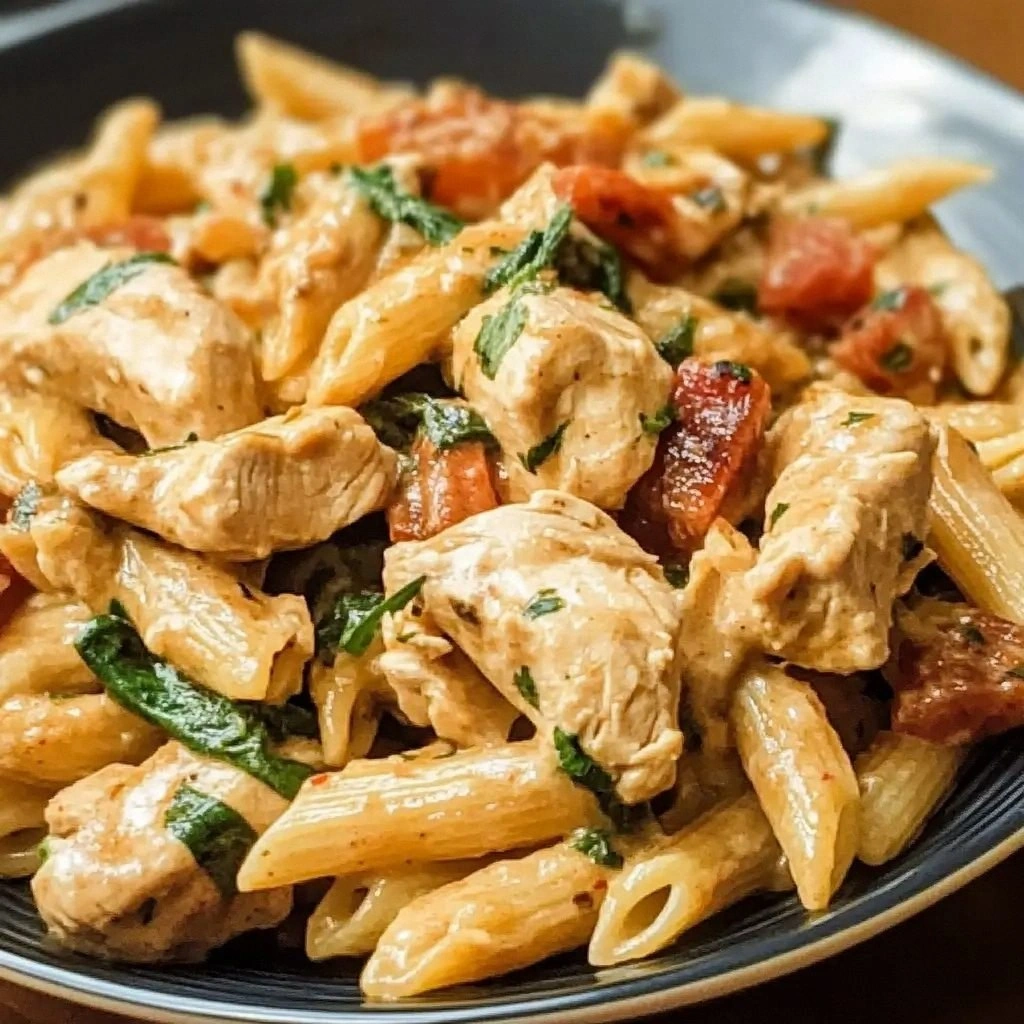
Whole‑wheat penne provides a nutty, chewy bite that pairs wonderfully with the creamy sauce. Its ridged surface traps the sauce, ensuring every strand is coated. The spinach, when added at the end, offers a slight bite and a burst of green that not only looks appealing but also boosts the dish’s nutritional value. If you prefer a lighter texture, you can use regular penne or even a gluten‑free pasta; just be mindful of the cooking time to avoid overcooking. The spinach’s wilted texture adds a subtle contrast to the firm pasta, creating a harmonious mouthfeel.
The Unexpected Star
Cherry tomatoes are the star that brings natural sweetness and juiciness to the sauce. Their small size means they cook quickly, releasing their juices and creating a vibrant, slightly chunky base. When you bite into a tomato, you experience a burst of flavor that immediately awakens the senses. If you can’t find cherry tomatoes, a mix of grape and heirloom tomatoes will also work, though the flavor profile may shift slightly. This ingredient is what turns a simple pasta into a dish that feels like a summer picnic on a plate.
The Final Flourish
Fresh basil, Parmesan cheese, and a squeeze of lemon zest are the finishing touches that elevate the dish from good to unforgettable. Basil adds a sweet, peppery aroma that lingers long after the last bite. Parmesan contributes a savory umami punch and a subtle creaminess that balances the acidity of the tomatoes. Lemon zest brings a citrusy brightness that cuts through the richness and ties all the flavors together. Together, these elements create a symphony of taste that is both comforting and sophisticated.
Everything’s prepped? Good. Let’s get into the real action…
The Method — Step by Step
- Prep the chicken: Pat the diced chicken dry with a paper towel to ensure it browns nicely. Season both sides with salt, pepper, and a sprinkle of Italian seasoning. This step is crucial for flavor depth; a lightly seasoned chicken will absorb the sauce’s richness. As the chicken rests, the flavors meld, creating a savory base that will carry through the dish.
- Cook the pasta: Bring a large pot of salted water to a rolling boil. Add the whole‑wheat penne and cook until al dente, about 8 minutes. Reserve a cup of pasta water before draining; it will help thin the sauce if needed. The pasta should still have a slight bite, which balances the softness of the sauce.
- Sauté aromatics: While the pasta cooks, heat the olive oil in a large skillet over medium heat. Add the minced garlic and diced onion, cooking until the onion becomes translucent and the garlic aromatic—about 3 minutes. The garlic should release a warm, sweet scent without browning; this indicates the oil is hot enough but not scorching.
- Add tomatoes: Toss in the halved cherry tomatoes, letting them cook until they start to blister and release juices. This should take 4–5 minutes, creating a slightly thickened base. The blistering gives a smoky depth that’s essential to the Tuscan flavor profile.
- Introduce the chicken: Push the tomato mixture to one side of the skillet, then add the seasoned chicken. Brown the chicken on all sides, about 5 minutes. The goal is a golden crust that locks in juices; a browned exterior enhances the overall flavor.
- Deglaze and simmer: Pour in the low‑fat milk (or almond milk) to deglaze the pan, scraping up any browned bits. Add the chicken broth if using, and let the mixture simmer for 3–4 minutes. The liquid should reduce slightly, concentrating the flavors while keeping the sauce silky.
- Finish with greens: Stir in the spinach, letting it wilt into the sauce. Once the spinach is tender, add the grated Parmesan and basil. The cheese melts into a creamy coating, while the basil releases its aromatic oils. This is the moment of truth—watch the sauce transform into a glossy, velvety coat.
- Combine pasta and sauce: Add the drained pasta to the skillet, tossing everything together. If the sauce feels too thick, add a splash of reserved pasta water to reach your desired consistency. The pasta should be coated evenly, each strand shimmering with sauce.
- Final touch: Sprinkle lemon zest over the top, give a final stir, and taste for seasoning. Adjust salt or pepper if needed. Serve immediately, garnished with extra basil or Parmesan if desired. The aroma should be irresistible, the colors vibrant, and the texture comforting.
That’s it — you did it. But hold on, I’ve got a few more tricks that will take this to another level…
Insider Tricks for Flawless Results
The Temperature Rule Nobody Follows
Cooking pasta at a rolling boil ensures even cooking, but many people reduce the heat too soon. Keep the water at a steady, vigorous boil until the pasta is al dente. This technique prevents the pasta from becoming mushy and guarantees a firm bite that holds up against the sauce.
Why Your Nose Knows Best
As the sauce simmers, trust your nose. A faint, toasty aroma indicates the tomatoes are caramelizing. If the scent is sharp or acidic, let it cook a bit longer to develop depth. Your olfactory senses are the best gauge for flavor balance.
The 5‑Minute Rest That Changes Everything
After cooking, let the pasta rest for 5 minutes before serving. This allows the noodles to finish absorbing the sauce, resulting in a more cohesive dish. The rest also lets the flavors meld, making each bite richer and more harmonious.
Keep the Heat Low When Adding Cheese
When adding Parmesan, lower the heat to avoid melting it into a clumpy mess. Stir gently until the cheese melts smoothly into the sauce, creating a silky finish. A hot pan can cause the cheese to seize, ruining the texture.
Use Fresh Herbs, Not Dried
Fresh basil and oregano bring bright, lively flavors that dried herbs can’t match. If you’re out of fresh, use dried herbs sparingly—about one-third the amount—to avoid overpowering the dish. Fresh herbs also add a pop of color that makes the plate visually appealing.
Creative Twists and Variations
This recipe is a playground. Here are some of my favorite ways to switch things up:
Spicy Sausage Swap
Replace the chicken with sliced Italian sausage for a richer, meatier flavor profile. The sausage’s fat will deepen the sauce’s richness, while the herbs keep the dish balanced. This version is perfect for a hearty, family‑style meal.
Vegan Delight
Omit the chicken entirely and add a handful of chickpeas or lentils for protein. Use a plant‑based milk and vegan Parmesan to keep the dish dairy‑free. The result is a satisfying, wholesome pasta that satisfies everyone.
Alfredo Fusion
Swap the low‑fat milk for a splash of heavy cream and add a tablespoon of garlic butter for an indulgent Alfredo twist. Keep the rest of the ingredients the same for a creamy, comforting dish that still feels Tuscan.
Seafood Splash
Add shrimp or scallops in the last few minutes of cooking. Their delicate flavor pairs wonderfully with the tomato sauce, and the quick cook time ensures they stay tender.
Breakfast‑style Twist
Use a small amount of cooked bacon or pancetta for a savory breakfast pasta. Pair with a poached egg on top for a brunch‑ready dish that’s both filling and flavorful.
Gluten‑Free Option
Swap whole‑wheat penne for a gluten‑free pasta brand. Keep the rest of the ingredients the same to preserve the dish’s authentic Tuscan taste.
Storing and Bringing It Back to Life
Fridge Storage
Cool the pasta and sauce completely before placing them in an airtight container. Store in the refrigerator for up to 3 days. The sauce will thicken slightly, so add a splash of milk or water when reheating to restore its silky texture.
Freezer Friendly
Divide the dish into portioned containers and freeze for up to 2 months. When ready to eat, thaw overnight in the refrigerator, then reheat gently on the stove with a splash of water or broth. The sauce will re‑emulsify, keeping the dish fresh.
Best Reheating Method
Reheat on low heat, stirring frequently, and add a small amount of water or milk to achieve the original consistency. Avoid boiling, as that can cause the sauce to separate. Finish with a sprinkle of fresh basil for an aromatic boost.