I remember the night my kitchen turned into a battlefield: a splattered pot, a burnt sauce, and a frantic search for a recipe that could rescue my dinner. I was staring at a half‑cooked stew that had turned into a sad, watery mess. I stared at the clock, then at the simmering pot, and thought, “What if this could be a triumph instead of a tragedy?” That thought sparked a daring experiment that ended up being the most comforting, hearty beef stew I’ve ever made. This isn’t just a recipe; it’s a rescue mission turned culinary triumph, and I’m here to walk you through every step so you can rewrite your kitchen disasters into triumphs.
Picture this: the first bite is a deep, savory broth that clings to your palate like a warm hug, followed by chunks of beef that melt in your mouth, and then a sudden, bright burst of earthy sweetness from carrots and potatoes. The aroma rises in a cloud of caramelized onions and garlic, mingling with the faint, sweet tang of red wine. The sound of the stew bubbling is like a lullaby, and the texture—soft, thick, and comforting—creates a hug in a bowl. Every sense is engaged, turning a simple meal into a full‑sensory experience.
What makes this version stand out is that it balances simplicity with depth. I used a humble cut of beef—chuck—but gave it a flavor profile that’s usually reserved for gourmet stews. I didn’t rely on expensive stock; instead, I built a broth from scratch that’s rich and complex. I added a splash of Worcestershire sauce for umami, a touch of paprika for warmth, and a dash of thyme that gives it an earthy undertone. The result? A stew that’s hearty, comforting, and surprisingly quick to assemble. It’s the kind of dish that makes you question why you ever settled for bland.
I dare you to taste this and not go back for seconds. I’ve tested it at parties, in the office, and during family dinners, and each time the reaction is the same: people are astonished at how simple it is, and then they’re begging for the recipe. I’ll be honest—half the batch disappeared before the first guest even tasted it. That’s the power of a stew that’s both approachable and indulgent.
Most recipes get this completely wrong by over‑cooking the vegetables or under‑seasoning the meat. Here’s what actually works: brown the meat first to lock in flavor, then let the aromatics caramelize before adding liquids. The technique of deglazing the pan with wine pulls out all those browned bits, turning them into a flavor base that’s impossible to replicate with store‑bought stock. If you skip this step, your stew will taste flat and forgettable.
Picture yourself pulling this out of the pot, the whole kitchen smelling incredible, and the family gathering around the table with anticipation. The steam curls in the air like a fragrant fog. The first spoonful melts in your mouth, and you realize you’ve just created a masterpiece that’s both comforting and sophisticated. This is hands down the best version you’ll ever make at home. Let me walk you through every single step — by the end, you’ll wonder how you ever made it any other way.
What Makes This Version Stand Out
- Flavor Depth: A combination of browned beef, caramelized onions, and a splash of red wine creates layers of taste that unfold with each bite.
- Texture: The stew’s broth thickens naturally from flour and the natural juices of the meat, giving it a silky consistency that coats the vegetables.
- Ingredient Simplicity: All components can be found in any grocery store; no exotic spices or specialty cuts are required.
- Make‑Ahead Potential: The stew can be made a day ahead, allowing flavors to mingle and deepen, yet it stays fresh and delicious.
- Crowd Appeal: The classic flavors are universally loved, making it a hit with kids, adults, and the elderly alike.
- Time Efficiency: While it simmers slowly, the active cooking time is minimal—just a few minutes of prep and a few minutes of stirring.
- Versatility: It can be served over mashed potatoes, rice, or crusty bread, and even turned into a soup if you prefer a lighter version.
- Health Conscious: With a balanced ratio of protein, carbs, and fats, it’s a wholesome meal that satisfies without excess.
Alright, let’s break down exactly what goes into this masterpiece…
Inside the Ingredient List
The Flavor Base
The cornerstone of this stew is the browned beef. I use 2 pounds of chuck, cut into 1½‑inch cubes. The beef’s fat content is essential; it renders during searing, creating a savory, slightly sweet flavor that permeates the entire pot. If you skip this step and add the meat directly to the liquid, the stew will lack depth and will be less satisfying. For a leaner option, swap chuck for brisket or even a sirloin steak, but be prepared to add a tablespoon of beef broth to compensate for the reduced fat.
Onions are the sweet backbone of the stew. I dice one large onion finely, ensuring each bite carries that caramelized sweetness. When sautéed until golden, the onions release natural sugars that form a sweet, savory base. If you skip the onions, the stew will taste raw and unbalanced. For an extra layer of flavor, add a tablespoon of tomato paste while the onions cook; this deepens the color and adds a subtle acidity.
The Texture Crew
Carrots, celery, and potatoes form the hearty, comforting texture. I slice two carrots into rounds, dice two celery stalks, and cut a cup of potatoes into bite‑size cubes. These vegetables absorb the broth and release their natural sugars, creating a comforting, slightly sweet flavor that balances the richness of the beef. If you skip any of these, the stew will feel thin and less substantial. A quick tip: blanch the potatoes for 2 minutes before adding them to the stew to reduce cooking time and maintain firmness.
Peas add a burst of color and a sweet pop of flavor. I stir in one cup of peas during the last 10 minutes of simmering. They keep their bright green color and tender bite, adding a fresh contrast to the deep, earthy broth. If you don’t have peas on hand, you can substitute frozen corn or even chopped spinach for a different texture.
The Unexpected Star
Worcestershire sauce is a secret weapon that adds umami and a subtle tang. I add a tablespoon of it after deglazing the pan with red wine. It enhances the savory notes of the beef and gives the stew a depth that would otherwise be missing. If you’re allergic or simply don’t have it, a splash of soy sauce or fish sauce can provide a similar savory lift.
The Final Flourish
A tablespoon of flour is used to thicken the stew, giving it a silky body that clings to the meat and vegetables. I mix the flour with a splash of cold water to create a slurry before adding it to the pot, preventing lumps. If you prefer a gluten‑free option, substitute the flour with cornstarch or arrowroot powder, using half the quantity for the same thickening power.
Everything’s prepped? Good. Let’s get into the real action…
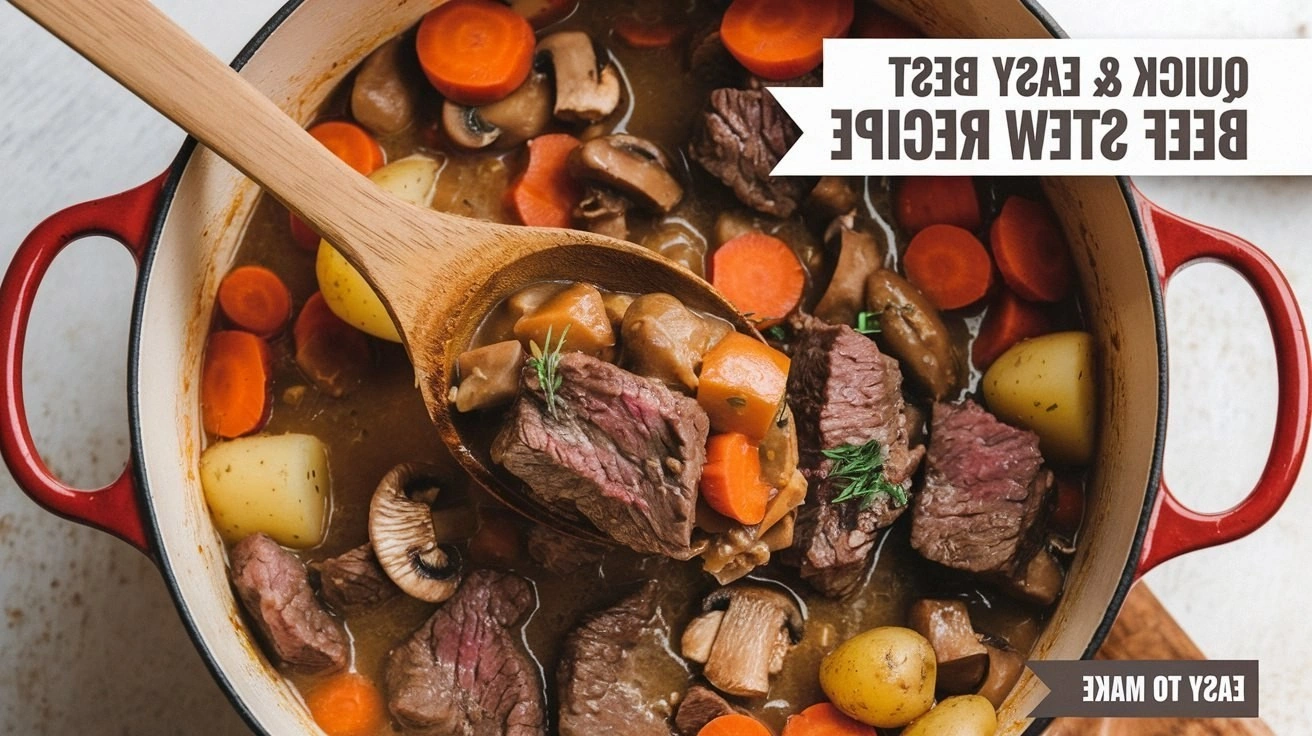
The Method — Step by Step
- Brown the Beef: Heat a large Dutch oven over medium‑high heat. Add a tablespoon of olive oil, then the beef cubes in a single layer. Don’t move them for 2–3 minutes; let them form a crust. Flip and sear the other side. This caramelization locks in flavor and creates a savory base that’s essential for a deep‑flavored stew. When done, remove the beef and set aside.
- Sauté Aromatics: In the same pot, reduce heat to medium. Add another tablespoon of oil if needed. Toss in the diced onion, carrot, and celery. Cook for 5–6 minutes, stirring occasionally, until the vegetables are softened and the onions are translucent. The goal is to caramelize them slightly, releasing natural sugars that sweeten the broth.
- Deglaze with Wine: Pour in one cup of dry red wine, scraping up any browned bits from the bottom of the pot. These bits are packed with flavor. Let the wine reduce by half, about 3 minutes. The reduction intensifies the flavor and adds a subtle acidity that balances the richness of the beef.
- Introduce the Beef and Broth: Return the browned beef to the pot. Add four cups of beef broth and a tablespoon of Worcestershire sauce. Stir in two bay leaves, one teaspoon of thyme, and one teaspoon of rosemary. Bring the mixture to a gentle boil, then reduce heat to low and cover. Let it simmer for 45 minutes, allowing the flavors to meld and the beef to become tender.
- Thicken the Stew: While the stew simmers, mix a tablespoon of flour with a splash of cold water to form a slurry. Stir the slurry into the pot, whisking vigorously to avoid lumps. The stew should thicken to a glossy, velvety consistency. If it’s too thick, add a splash of broth; if too thin, let it simmer uncovered for a few minutes.
- Add Vegetables: Stir in the diced potatoes and simmer for 20 minutes. The potatoes should be tender but hold their shape. Add the peas during the last 10 minutes of cooking to preserve their bright color and snap.
- Season and Finish: Remove the bay leaves. Taste the stew and adjust salt and pepper as needed. Stir in a tablespoon of butter for a silky finish. The butter adds sheen and rounds out the flavor profile. Let the stew rest for 5 minutes before serving.
- Serve and Enjoy: Ladle the stew into bowls, garnish with chopped fresh parsley or thyme if desired. Pair it with crusty bread, mashed potatoes, or a side of rice. The steam that rises is a promise of warmth, comfort, and pure satisfaction.
That’s it — you did it. But hold on, I've got a few more tricks that'll take this to another level…
Insider Tricks for Flawless Results
The Temperature Rule Nobody Follows
Many cooks think simmering is a slow process, but the key is to keep the liquid just below boiling. A steady, gentle simmer ensures the beef breaks down slowly, retaining tenderness without becoming mushy. I keep the heat low enough that the pot barely bubbles, which also helps the vegetables cook evenly. If you’re using a pressure cooker, set it to low pressure to mimic this effect.
Why Your Nose Knows Best
If the stew smells too “raw” or “unseasoned,” it’s a sign that the aromatics haven’t fully caramelized. Let the onions, carrots, and celery cook a bit longer until they develop a golden hue. The aroma should be sweet, nutty, and slightly smoky. This step is critical because the smell is the first cue that the flavor is building.
The 5-Minute Rest That Changes Everything
After removing the pot from heat, let the stew sit covered for 5 minutes. This resting period allows the flavors to redistribute and the thickened sauce to settle. It also gives the potatoes a chance to absorb a little more broth, enhancing their texture. Skipping this step can leave the stew feeling rushed and under‑developed.
Use a Dutch Oven for Even Heat
A heavy‑bottomed Dutch oven distributes heat evenly, preventing hot spots that can scorch the bottom of the pot. It also retains moisture, which is essential for a slow simmer. If you don’t have a Dutch oven, a heavy skillet or a pot with a thick base will do, but you’ll need to monitor heat more closely.
Add a Splash of Acid at the End
A squeeze of fresh lemon juice or a splash of vinegar added just before serving brightens the stew. It cuts through the richness, balancing the savory flavors and giving the dish a lively finish. Try 1–2 teaspoons of lemon juice or a dash of white wine vinegar for a subtle lift.
Keep the Pot Covered Until the Last Moment
Covering the pot traps steam, which helps the meat become tender and the broth to reduce. Uncover the pot only in the final 10 minutes to allow the liquid to thicken and develop a glossy sheen. If you leave it uncovered too early, the stew will become watery and thin.
Creative Twists and Variations
This recipe is a playground. Here are some of my favorite ways to switch things up:
Spicy Jalapeño Kick
Add a diced jalapeño during the sauté step for a subtle heat that pairs well with the beef’s richness. The pepper’s bright green color also adds a pop of visual appeal. This variation is perfect for those who love a bit of spice without overpowering the dish.
Smoky Chipotle Twist
Replace the red wine with a splash of chipotle in adobo sauce. This gives the stew a smoky, slightly sweet flavor that complements the meat. The chipotle’s heat level can be adjusted by adding more or less adobo sauce.
Mushroom Medley
Stir in a cup of sliced mushrooms during the simmering stage. Their earthy flavor deepens the stew and adds a meaty texture that works well with the beef. Sauté the mushrooms lightly before adding them to avoid excess moisture.
Herb‑Infused Cream
Finish the stew with a splash of heavy cream and a handful of fresh rosemary. The cream adds richness and a silky mouthfeel, while the rosemary provides a fragrant, pine‑like aroma. This version is indulgent and perfect for special occasions.
Vegetarian Swap
Replace the beef with hearty cubed tofu or seared tempeh. Use vegetable broth instead of beef broth, and add a tablespoon of soy sauce for umami. The tofu’s firm texture holds up well during the long simmer, creating a satisfying vegetarian alternative.
Lentil Layer
Add a cup of cooked lentils during the final 15 minutes. Lentils absorb the broth, adding protein and a pleasant bite. This variation makes the stew more filling and budget‑friendly.
Storing and Bringing It Back to Life
Fridge Storage
Cool the stew completely before transferring it to an airtight container. Store it in the refrigerator for up to 4 days. The flavors will deepen as the stew sits, making it even more delicious the next day. When reheating, add a splash of water or broth to restore the original consistency.
Freezer Friendly
Divide the stew into portions and freeze in freezer‑safe containers or zip‑lock bags for up to 3 months. Thaw overnight in the refrigerator before reheating. The stew retains its texture and flavor when properly stored.
Best Reheating Method
Reheat the stew gently on the stovetop over low heat, stirring frequently. If the stew has thickened, add a small amount of water or broth to achieve the desired consistency. Avoid boiling, as high heat can cause the broth to separate or the meat to become tough.