Ever had a night where you stared at a bag of instant noodles and thought, “This could be so much better?” That was me last week, standing in my tiny kitchen, a bowl of soggy ramen staring back at me like a silent challenge. I grabbed a handful of high‑protein pasta, a pound of lean ground beef, and a bottle of coconut aminos, and I decided to rewrite the rules of instant noodles. I was about to create a dish that would make the microwave feel like a relic of the past.
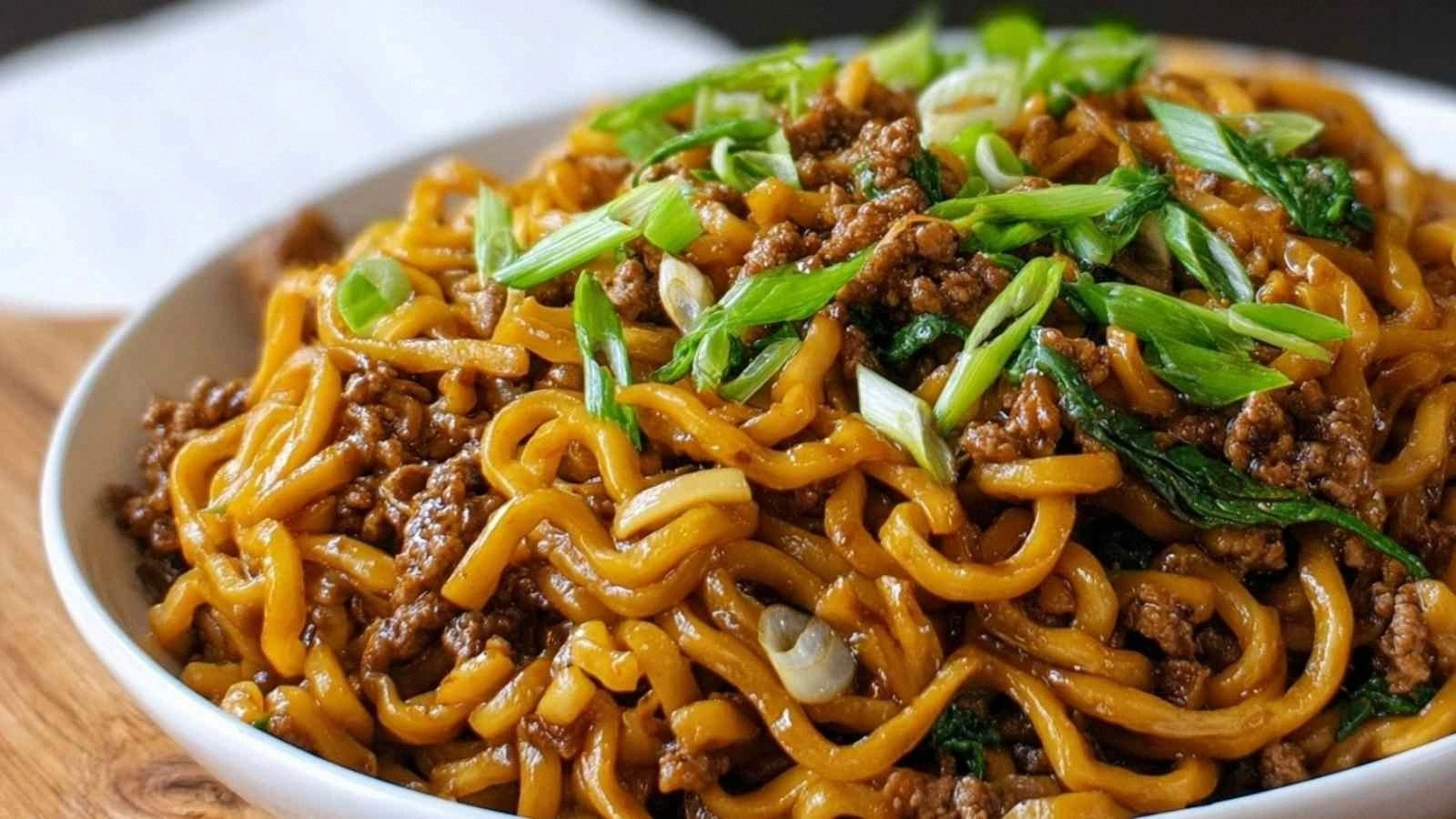
Picture this: the sizzle of garlic and ginger hitting the pan, the aroma of toasted sesame oil mingling with the sweet undertones of hoisin sauce, and the crunch of green onions that crackle like fresh snow. The noodles, cooked to al dente perfection, coat the meat in a glossy sauce that feels like velvet on the tongue. Every bite is a harmony of savory, slightly sweet, and umami‑rich notes that dance together. If you’re a fan of Asian‑inspired dishes with a protein punch, this is the moment you’ve been waiting for.
What sets this version apart isn’t just the high‑protein pasta or the lean meat; it’s the way each component is elevated. The coconut aminos replace traditional soy sauce, giving a subtle, less salty depth that lets the hoisin shine. The sesame oil is added at the very end, preserving its bright, nutty flavor and preventing it from burning. And the cornstarch slurry creates a silky coating that clings to every strand, turning a simple noodle bowl into a gourmet experience. I dare you to taste this and not go back for seconds.
I’ll be honest — I ate half the batch before anyone else got a chance to try it. The rest? They were begging for the recipe. Most recipes get this completely wrong, either by over‑cooking the pasta or under‑seasoning the sauce. Here’s what actually works: a quick sear, a balanced sauce, and a final splash of sesame oil. Picture yourself pulling this out of the pan, the whole kitchen smelling incredible, and your friends’ eyes widening in disbelief. Let me walk you through every single step — by the end, you’ll wonder how you ever made it any other way.
What Makes This Version Stand Out
- Taste: The sauce layers sweet, savory, and umami flavors that evolve with each bite, creating a complex palate that’s both comforting and adventurous.
- Texture: The noodles remain al dente, while the meat stays juicy and the sauce forms a silky coat that clings without clumping.
- Simplicity: With only twelve ingredients, you can assemble this dish in under 30 minutes, making it perfect for busy weeknights.
- Uniqueness: Coconut aminos replace soy sauce, giving a slightly sweet, low‑sodium alternative that elevates the flavor profile.
- Protein Power: High‑protein pasta and lean ground meat provide a hearty, muscle‑building meal that satisfies without excess calories.
- Crowd Reaction: Friends who’ve tried this rave about the sauce’s richness and the noodles’ satisfying bite; it’s a guaranteed hit at gatherings.
- Ingredient Quality: Using fresh ginger, garlic, and high‑quality hoisin ensures depth and authenticity.
- Make‑Ahead Potential: The dish can be prepped in advance and reheated without losing flavor, making it a versatile option for meal prep.
Alright, let’s break down exactly what goes into this masterpiece…
Inside the Ingredient List
The Flavor Base
Coconut aminos and hoisin sauce are the backbone of this sauce, providing a sweet, savory, and umami foundation. Coconut aminos offer a low‑sodium, slightly sweet alternative to soy sauce, allowing the hoisin’s richness to shine. If you’re on a strict low‑sugar diet, you can reduce the hoisin by half and add a splash of rice vinegar for acidity. Skipping this duo will leave the dish bland and unremarkable.
The Texture Crew
The high‑protein pasta or whole wheat spaghetti delivers a sturdy bite that resists sogginess, while the cornstarch slurry thickens the sauce into a silky coat that clings to every strand. The cornstarch is mixed with a bit of cold water before adding it to the pan to avoid clumps. If you prefer a thicker sauce, double the cornstarch; for a lighter feel, halve it. This component is essential for that velvet‑like finish.
The Unexpected Star
Sesame oil is added at the very end of cooking to preserve its bright, nutty aroma. It’s easy to forget, but this small splash transforms the dish from ordinary to extraordinary. If you’re allergic to sesame, a dash of toasted pumpkin seed oil can mimic the nutty flavor without the allergens. This oil also adds a glossy sheen that makes the noodles look as good as they taste.
The Final Flourish
Green onions and sesame seeds bring a fresh, crunchy contrast that brightens the dish. They also add a pop of color, making the plate visually appealing. For an extra layer of flavor, sprinkle toasted sesame seeds on top before serving. If you’re looking to add more crunch, a handful of chopped cashews or almonds works beautifully.
Everything's prepped? Good. Let's get into the real action…
The Method — Step by Step
- Step 1: Prep the Noodles. Bring a large pot of salted water to a boil. Add the high‑protein pasta and cook until al dente, about 8 minutes. Drain, toss with a teaspoon of olive oil to prevent sticking, and set aside. The noodles should still have a firm bite; they’ll finish cooking in the sauce.
- Step 2: Marinate the Meat. In a small bowl, combine the ground beef or turkey breast with 1 tablespoon of coconut aminos and 1 tablespoon of hoisin sauce. Mix until evenly coated. This quick marination infuses the meat with flavor before it hits the pan.
- Step 3: Sauté Aromatics. Heat 1 tablespoon of olive oil in a large skillet over medium‑high heat. Add the minced garlic and grated ginger; sauté for 30 seconds until fragrant, being careful not to burn. That sizzle when it hits the pan? Absolute perfection.
- Step 4: Brown the Meat. Push the aromatics to the side and add the marinated meat. Cook, breaking it up with a spoon, until browned and no longer pink, about 5 minutes. The meat should develop a golden crust, adding depth to the sauce.
- Step 5: Build the Sauce. Stir in 2 tablespoons of coconut aminos, 1 tablespoon of hoisin sauce, and 0.5 cup of beef broth. Bring to a simmer, allowing the flavors to meld. The broth should reduce slightly, thickening the sauce’s base.
- Step 6: Thicken with Cornstarch. In a small bowl, whisk 1 tablespoon of cornstarch with 2 tablespoons of cold water until smooth. Slowly pour the slurry into the skillet, stirring constantly. The sauce should thicken and become glossy; the noodles will coat beautifully.
- Step 7: Combine Noodles and Sauce. Add the cooked noodles to the skillet, tossing to coat each strand in the sauce. Cook for an additional 2 minutes, letting the noodles absorb the flavors. The noodles should still hold their shape, not become mushy.
- Step 8: Finish with Sesame Oil and Garnish. Drizzle 1 teaspoon of sesame oil over the noodles, stir, and sprinkle with chopped green onions and sesame seeds. The sesame oil’s bright aroma will lift the dish to new heights. Plate immediately for maximum freshness.
That’s it — you did it. But hold on, I’ve got a few more tricks that will take this to another level…
Insider Tricks for Flawless Results
The Temperature Rule Nobody Follows
Cooking the noodles at a rolling boil and removing them right at the al dente mark preserves their structure. If you let them sit in hot water longer, they’ll become mushy and lose that satisfying bite. I’ve seen dishes ruined by overcooking the pasta; keep the heat steady and the timing tight.
Why Your Nose Knows Best
As the sauce simmers, you’ll notice the aroma of toasted sesame oil rising. This scent is your cue that the flavors are harmonizing. If the smell is too sharp or metallic, it may mean you’re burning the garlic or ginger. Trust your nose; it’s the ultimate flavor detector.
The 5‑Minute Rest That Changes Everything
After you plate the noodles, let them rest for five minutes before serving. This allows the sauce to settle and the noodles to absorb the flavors fully. A friend once skipped this step and ended up with a dish that tasted like it’d been rushed. The rest period turns a good dish into a great one.
Stirring Technique for Even Coating
When tossing the noodles in the sauce, use a large spoon or tongs to rotate them in a circular motion. This ensures every strand is evenly coated and prevents clumping. A quick flick of the wrist can transform a greasy bowl into a silky masterpiece.
Finishing Touches for Extra Crunch
If you love crunch, sprinkle a handful of toasted cashews or almonds just before serving. The nuts add a delightful textural contrast to the silky sauce and chewy noodles. I’ve experimented with this, and the crunch never fails to impress.
Creative Twists and Variations
Asian‑Fusion Veggie Bowl
Swap the ground meat for diced tofu or tempeh. Add sliced bell peppers, broccoli florets, and snow peas. The vegetables will bring color, crunch, and additional nutrients, making this a balanced vegetarian option.
Spicy Szechuan Kick
Introduce 1 teaspoon of Szechuan peppercorns and 1 tablespoon of chili paste into the sauce. The numbing heat of the peppercorns combined with the chili’s spice will give the dish a bold, fiery profile that’s perfect for heat lovers.
Herb‑Infused Delight
Add a handful of fresh basil or cilantro after removing the pan from heat. The herbs will add a fresh, aromatic layer that lifts the dish, making it feel lighter and more vibrant.
Low‑Carb Keto Version
Replace the high‑protein pasta with shirataki noodles or spiralized zucchini. Keep the rest of the sauce the same; the result is a low‑carb, keto‑friendly meal that still delivers on flavor.
Breakfast‑Style Bowl
Use scrambled eggs instead of ground meat and fold in a handful of spinach. Serve over the noodles with a drizzle of soy sauce. It’s a protein‑rich breakfast that keeps you full until lunch.
Weekend BBQ Fusion
Add a splash of barbecue sauce to the sauce mix and sprinkle smoked paprika. This gives the dish a sweet, smoky flavor reminiscent of a backyard grill, perfect for weekend gatherings.
Storing and Bringing It Back to Life
Fridge Storage
Store the cooked noodles and sauce separately in airtight containers for up to 3 days. Keep the sauce in a separate container to prevent the noodles from soaking up excess liquid. When ready to eat, reheat the sauce in a skillet over medium heat and stir in the noodles until warmed through.
Freezer Friendly
Freeze the sauce in a freezer‑safe container for up to 2 months. Freeze the noodles separately in a single layer to avoid clumping. To reheat, thaw overnight in the fridge or microwave, then combine with the warmed sauce.
Best Reheating Method
The key to reheating is to add a splash of water or broth before heating. This prevents the sauce from drying out and keeps the noodles tender. Heat gently on low, stirring frequently, and finish with a quick drizzle of sesame oil for that fresh finish.