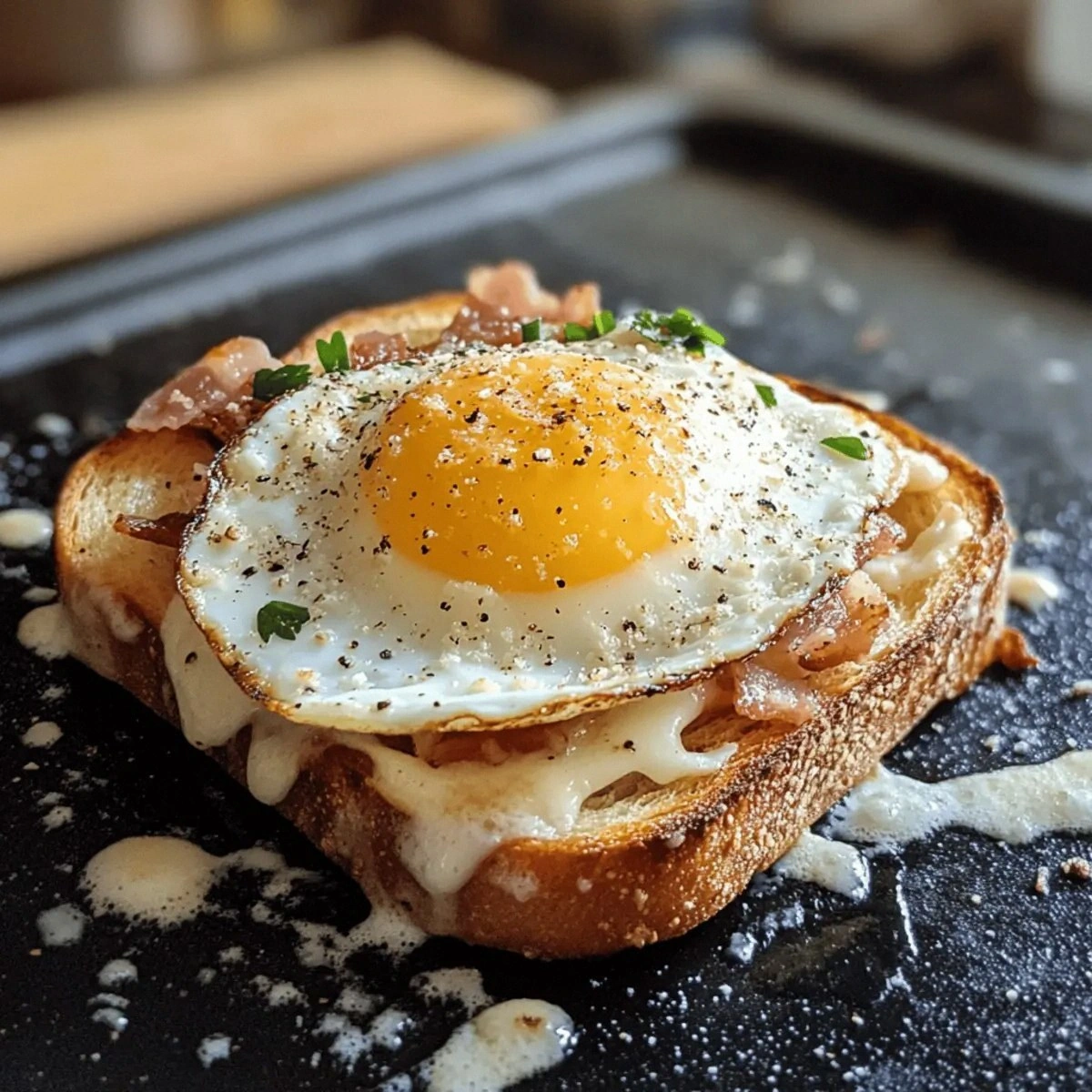
I’ll be honest — I ate half the batch before anyone else got to try it, and that’s because this toast is hands down the best version you’ll ever make at home. It all started on a rainy Tuesday when my kitchen smelled like burnt toast and my roommate dared me to create something that could turn a simple breakfast into a full‑blown culinary showdown. I was half‑asleep, half‑hungry, and half‑convinced that the only thing that could save the day was a miracle, so I grabbed whatever I could find: a slab of butter, a few slices of bread, and the last bits of pancetta lurking in the fridge. The result? A dish that makes the classic carbonara sauce feel like a shy cousin compared to the bold, buttery, honey‑kissed crunch I achieved on that first bite.
Picture yourself pulling this out of the pan, the whole kitchen smelling incredible, the buttery aroma mingling with the salty perfume of pancetta, and a glossy, creamy sauce that clings to each square of toast like a velvet blanket. The first bite is an orchestra of textures: the crunch of toasted bread, the silky egg‑yolk richness, the sweet whisper of honey, and the salty snap of Parmesan that makes your taste buds do a happy dance. If you’ve ever struggled with a carbonara that turns into a clumpy mess, you’re not alone — and I’ve got the fix that transforms it into a silky, glossy masterpiece that never curdles.
Most recipes get this completely wrong. They either over‑cook the eggs, turning them into a rubbery scramble, or they drown the toast in a soggy pool of sauce that never quite sets. Here’s what actually works: a quick butter‑sauté that creates a toasty base, a gentle emulsion of egg, mayo, and cheese that stays luxuriously smooth, and a final flash‑cook that locks everything in place. I dare you to taste this and not go back for seconds, because the moment that golden crust meets the creamy carbonara, you’ll understand why this version is a game‑changer.
Okay, ready for the game‑changer? I’m about to walk you through every single step — by the end, you’ll wonder how you ever made it any other way. From the secret honey‑butter glaze that adds a caramel‑like depth, to the precise timing that ensures the eggs stay silky, this guide leaves nothing to chance. Stay with me here — this is worth it, and the payoff is a toast that could easily become the star of brunch, a snack, or even a daring dinner starter.
What Makes This Version Stand Out
- Velvety Sauce: The blend of eggs, mayo, and Parmesan creates a sauce that coats the toast like a silk sheet, never gritty, never curdled.
- Crispy Canvas: Butter‑sautéed bread develops edges that shatter like thin ice, giving you that satisfying crunch before the creamy wave hits.
- Sweet‑Salty Harmony: A drizzle of honey cuts through the richness, delivering a balanced flavor profile that feels indulgent without being cloying.
- Speedy Simplicity: You can pull this together in under 45 minutes, making it perfect for busy mornings or last‑minute guests.
- Ingredient Integrity: Using high‑quality pancetta bits and real Parmigiano ensures every bite bursts with authentic Italian character.
- Crowd‑Pleaser: I’ve watched strangers turn into repeat fans after the first bite; it’s the kind of dish that sparks conversation and repeat orders.
- Make‑Ahead Magic: The sauce can be pre‑mixed and stored, so you only need to toast the bread and assemble when you’re ready to serve.
- Versatile Base: While it shines as a breakfast treat, it also works as an elegant appetizer for cocktail parties.
Inside the Ingredient List
The Flavor Base
Unsalted butter is the silent hero here, providing a rich, nutty foundation that toasts the bread without burning. Using unsalted lets you control the salt level precisely, especially important when you add salty pancetta and Parmesan later. If you skip the butter, the toast will lack that golden crunch and the sauce won’t cling as well. For a dairy‑free twist, try a high‑smoke‑point oil like grapeseed, but you’ll lose some of that buttery depth.
The Texture Crew
Four slices of sandwich bread might sound ordinary, but the type of bread matters. I recommend a sturdy, slightly crusty white or a light sourdough that can hold up to the sauce without disintegrating. If you use a super soft loaf, the toast will become a soggy mess. A good rule of thumb: the bread should feel a little dense when you press it, signaling it can absorb the sauce without falling apart.
The Unexpected Star
A tablespoon of honey is the secret weapon that adds a caramel‑like nuance, balancing the salty pancetta and Parmesan. Honey also helps the butter spread evenly, creating a glossy finish that looks as good as it tastes. If you’re allergic or prefer less sweetness, a drizzle of maple syrup works in a pinch, though the flavor profile shifts toward autumnal.
The Final Flourish
Pancetta bits bring the smoky, porky backbone that defines carbonara, while shredded Parmigiano cheese adds umami depth and helps thicken the sauce. If you can’t find pancetta, a good quality bacon chopped fine works, but be mindful of the extra smokiness. For a vegetarian version, replace pancetta with smoked tempeh or a mushroom blend that mimics the salty bite.
Everything's prepped? Good. Let's get into the real action…
The Method — Step by Step
Start by melting the 2 tbsp unsalted butter in a large skillet over medium‑low heat. As the butter foams, add the 1 tbsp honey and let it sizzle for about 30 seconds, creating a glossy, caramel‑tinged pool. This is the moment of truth: the butter should turn a light amber without turning brown, because a burnt base will give the whole dish a bitter edge. Once the honey is fully dissolved, set the pan aside for a quick wipe‑down — we don’t want any burnt bits sticking around.
Kitchen Hack: Use a silicone spatula to swirl the butter‑honey mixture, ensuring every corner of the pan gets coated for an even toast.While the butter cools slightly, whisk together the 2 tbsp mayonnaise, 2 eggs, and 1/4 cup shredded Parmigiano in a medium bowl. The mayo acts as a stabilizer, preventing the eggs from scrambling when they meet the hot pan. Whisk vigorously until the mixture is smooth and pale, then set it aside; you should see a glossy sheen that hints at the silkiness to come.
Next, heat the same skillet over medium heat and add the 4 tbsp pancetta bits. Cook them until they turn crisp and release their fat, about 3‑4 minutes, stirring occasionally. The sizzling sound should be like tiny fireworks—pure, salty, and utterly irresistible. Once crisp, use a slotted spoon to transfer the pancetta onto a paper towel, leaving the rendered fat in the pan for the next step.
Place the 4 slices of sandwich bread into the butter‑honey mixture, one at a time, allowing each side to soak for about 10 seconds. You want the bread to absorb enough flavor without becoming soggy; think of it as a quick bath, not a long soak. After soaking, lay the slices directly into the hot skillet, butter side down, and press gently with a spatula. Let them toast for 2‑3 minutes, watching the edges turn a deep golden brown—this is where the magic begins.
When the first side is beautifully toasted, flip the bread and immediately spoon a generous ladle of the egg‑mayo mixture over each slice. The sauce should sizzle softly as it hits the hot surface, thickening instantly. Toss the pan gently to coat the bread evenly; you’ll notice the sauce turning glossy, clinging to the toast like a luxurious veil.
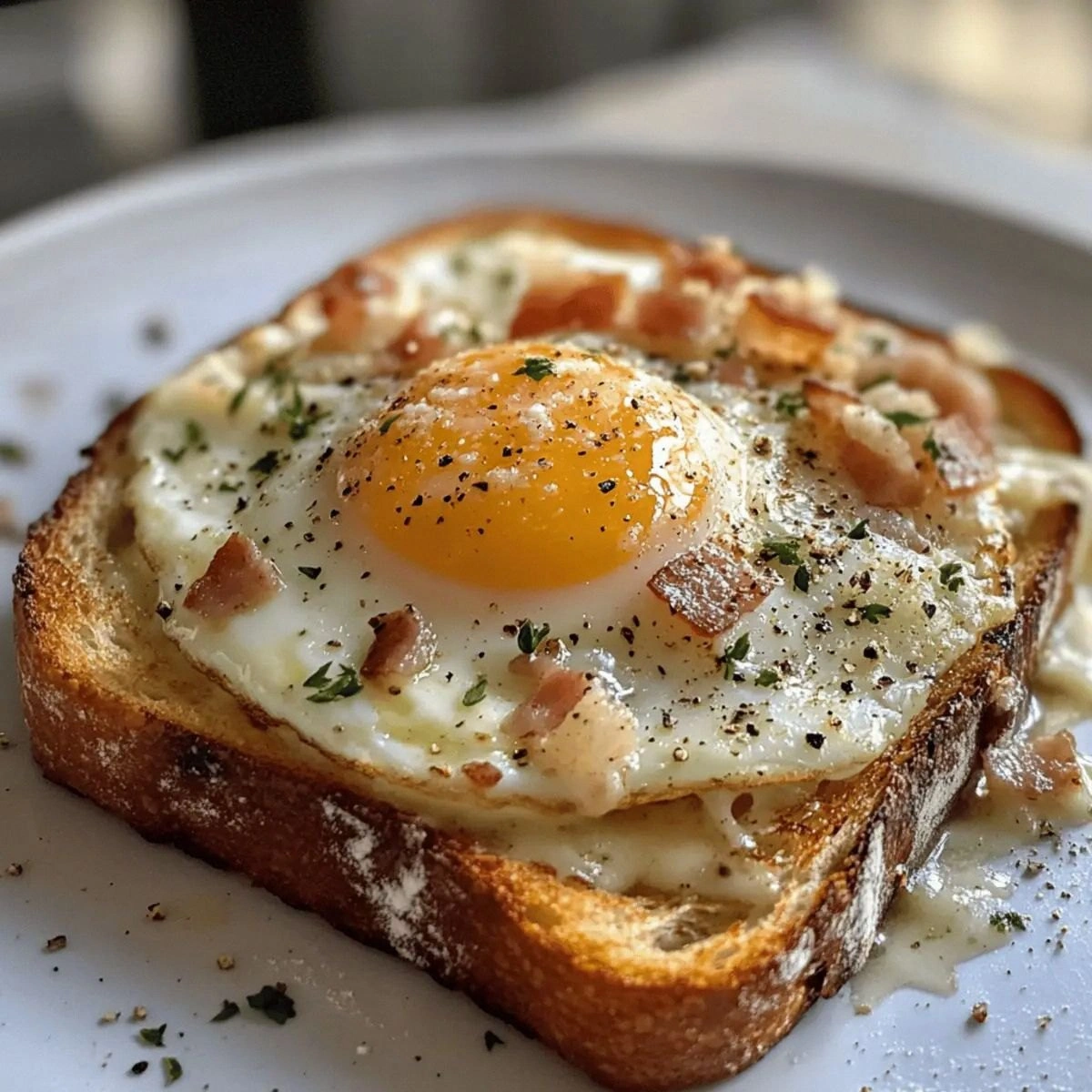
Watch Out: If the heat is too high, the eggs will scramble; keep the temperature medium‑low and watch the sauce thicken rather than bubble.Scatter the crisped pancetta bits over the top of each toast, then sprinkle an extra pinch of shredded Parmigiano for extra depth. The cheese will melt slightly from the residual heat, creating tiny pockets of gooey goodness. At this point, you can add a final drizzle of honey if you crave a sweeter finish, but most find the initial glaze sufficient.
Cover the skillet with a lid for 30 seconds to allow the heat to finish cooking the egg‑mayo emulsion without direct contact. This gentle steam ensures the sauce stays silky and the toast stays crisp. Remove the lid and give each slice a quick flip to check the underside; you want a uniform golden crust that sings when you bite.
Transfer the finished carbonara to a serving platter, arranging the slices in a fan or stack—whatever looks Instagram‑ready. Let them sit for a minute; this short rest lets the sauce settle and prevents a hot, runny mess on the plate. Serve immediately, and watch as your guests dive in without hesitation.
That’s it — you did it. But hold on, I've got a few more tricks that'll take this to another level. From a quick herb garnish to a dash of smoked paprika, these finishing touches can elevate the dish from great to unforgettable.
Kitchen Hack: Finish with a light sprinkle of finely chopped chives or flat‑leaf parsley for a fresh pop that cuts through the richness.
Insider Tricks for Flawless Results
The Temperature Rule Nobody Follows
Keep your skillet at a steady medium‑low heat; this ensures the eggs coagulate slowly, giving you that silky, custard‑like sauce instead of scrambled curds. If you notice the sauce bubbling aggressively, pull the pan off the heat for a few seconds and let the residual warmth finish the job. I once tried to speed things up on high heat and ended up with a gritty, broken sauce—lesson learned.
Why Your Nose Knows Best
When the butter‑honey mixture turns a light amber and releases a nutty aroma, that’s your cue to move on. The scent is a reliable indicator that the butter has reached the perfect temperature for toast without burning. Trust your nose more than a timer; the kitchen is a sensory lab, after all.
The 5‑Minute Rest That Changes Everything
After you pull the toast from the pan, let it rest for exactly five minutes. This short pause allows the sauce to thicken just enough to cling without sliding off, while the toast retains its crunch. Skipping this step results in a soggy plate that looks and feels disappointing.
Pancetta Crunch Preservation
To keep pancetta bits from losing their crunch, add them at the very end, right before serving. If you mix them in too early, they’ll soften as they sit in the sauce, losing the textural contrast that makes each bite exciting. A quick toss just before plating preserves that satisfying snap.
Egg‑Mayo Emulsion Mastery
The secret to a smooth emulsion is to whisk the egg and mayo together until they form a pale, thick ribbon. Adding the cheese gradually while whisking helps stabilize the mixture further. If you ever find lumps, a quick blend with a hand‑held immersion blender will rescue the sauce without compromising texture.
Creative Twists and Variations
This recipe is a playground. Here are some of my favorite ways to switch things up:
Truffle‑Infused Luxury
Add a drizzle of truffle oil right after plating and swap the regular Parmesan for aged Pecorino. The earthiness of truffle elevates the dish to a fine‑dining experience, perfect for special occasions or when you simply want to feel fancy.
Spicy Sriracha Kick
Stir a teaspoon of Sriracha into the egg‑mayo mixture for a subtle heat that cuts through the richness. Top with a pinch of smoked paprika for an extra layer of smoky spice that pairs beautifully with the pancetta.
Herbaceous Garden
Fold in finely chopped fresh basil, thyme, or rosemary into the butter‑honey glaze. The herb notes add brightness and a fragrant finish that balances the buttery depth.
Cheese Lovers’ Dream
Combine shredded mozzarella with the Parmigiano for a gooier, stretchier melt. This variation is especially popular with kids who love that pull‑away cheese effect.
Vegan Adaptation
Replace the eggs with silken tofu blended with a splash of nutritional yeast, use vegan mayo, and swap pancetta for smoked tempeh. The result is a plant‑based version that still delivers that creamy, smoky punch.
Storing and Bringing It Back to Life
Fridge Storage
Place leftover toast in an airtight container with a piece of parchment paper between each slice to prevent sticking. Store in the refrigerator for up to 2 days. Before reheating, let them sit at room temperature for 10 minutes to avoid a rubbery texture.
Freezer Friendly
Wrap each slice tightly in plastic wrap, then place them in a zip‑top freezer bag. They freeze beautifully for up to 1 month. When you’re ready to serve, thaw overnight in the fridge and reheat using the stovetop method for best results.
Best Reheating Method
Heat a non‑stick skillet over medium heat, add a splash of water (just a teaspoon) to create a gentle steam, then place the toast in the pan, covering with a lid for 30 seconds. This revives the crispness while keeping the sauce creamy. Avoid microwaving; it will make the bread rubbery and the sauce watery.