Picture this: the kitchen clock ticks 8 pm, the fridge door creaks open, and you’re staring at a handful of boneless chicken thighs that look as uninspired as a Monday morning. I was about to toss a plain grilled chicken dinner into the back burner when a burst of citrus from my neighbor’s balcony reminded me that the world could use a little brightness. That moment sparked a culinary dare: make the most unforgettable lemon‑garlic butter chicken that will have everyone asking for seconds. I grabbed my skillet, set the stove to medium‑high, and let the aroma of sizzling butter and garlic fill the air. The scent alone was a promise of flavor fireworks. And that’s just the beginning of why this version is the ultimate show‑stopper.
Why do I insist this recipe is hands down the best version you’ll ever make at home? Because it balances bright citrus, smoky paprika, and the silky richness of butter in a single pan, eliminating cleanup for the win. The green beans stay crisp and bright, refusing to turn mushy, while the chicken thighs develop a caramelized crust that cracks like thin ice when you bite. The sauce coats the meat like velvet, creating a mouth‑watering finish that lingers long after the last bite. I dare you to taste this and not go back for seconds. Most recipes get this completely wrong—here’s what actually works. Picture yourself pulling this out of the skillet, the whole kitchen smelling incredible, and watching friends reach for their forks. And now, ready for the game‑changer? Let me walk you through every single step — by the end, you’ll wonder how you ever made it any other way.
There’s a reason I’ve been calling this “The Lemon‑Garlic Butter Chicken Masterpiece” in my notebook. I’ve experimented with countless variations, and this one consistently wins the taste test. It’s simple enough to feel like a cheat sheet for a weeknight dinner, yet sophisticated enough to impress a dinner‑party guest. The combination of fresh lemon juice, hot sauce, and a splash of chicken stock creates a sauce that is both tangy and savory, with a subtle heat that doesn’t overpower the flavors. The secret lies in the balance of butter and garlic; the butter melts into a glossy sheen, while the garlic’s aroma lingers like a lingering perfume. It’s the kind of dish that makes the whole house smell like a summer garden, and the buttery sauce pulls the flavors together with a silky finish. This recipe is the result of trial, error, and a relentless pursuit of that perfect bite.
I’ve spent hours tweaking the seasoning, the cooking time, and even the type of green beans to get this just right. The end result is a dish that’s so easy to recreate, yet feels like a gourmet experience. The key is to let the chicken develop a golden crust before adding the sauce, and to keep the green beans bright and crisp. I’ll share a few micro‑challenges along the way—like a quick tweak to the garlic or a secret ingredient that elevates the dish. If you’ve ever struggled with a buttery chicken that turns out dry, you’re not alone—and I’ve got the fix. Ready to elevate your dinner game? Let’s dive in.
What Makes This Version Stand Out
- Flavor Explosion: The bright lemon juice cuts through the richness of butter, creating a harmonious balance that satisfies the palate. The subtle heat from hot sauce adds depth without overwhelming the dish.
- Crispy Green Beans: Green beans stay bright and crunchy, providing a textural contrast that elevates the meal. Their natural sweetness complements the savory sauce.
- One‑Pan Wonder: Everything cooks in a single skillet, making cleanup a breeze and ensuring the flavors meld beautifully. The pan’s heat is distributed evenly for a uniform sear.
- Time Efficiency: Prep takes only 15 minutes, while the cooking process is 30 minutes—perfect for busy weeknights. The dish can be prepared in advance and reheated without losing flavor.
- Versatile Ingredient Base: The recipe uses pantry staples like butter, garlic, and paprika, so you can whip it up even on a last‑minute basis. No special ingredients required.
- Make‑Ahead Potential: The dish tastes even better the next day, making it ideal for meal prep or for those who love leftovers. The sauce thickens nicely, holding flavor.
- Visual Appeal: The bright green beans and lemon slices create a vibrant plate that looks as good as it tastes. The golden crust on the chicken is a visual treat.
Alright, let's break down exactly what goes into this masterpiece...
Inside the Ingredient List
The Flavor Base
The foundation of this dish is the seasoning blend that coats each chicken thigh. A pinch of salt, cracked black pepper, paprika, and onion powder create a savory crust that locks in moisture. If you skip this step, the chicken will taste flat and the sauce will lack depth. For a smoky twist, try adding a dash of smoked paprika or a splash of Worcestershire sauce. The key is to let the spices sit on the meat for at least 10 minutes before searing.
The Texture Crew
Green beans are the star of the texture game. Fresh, crisp beans add a satisfying crunch that balances the buttery sauce. If you can’t find fresh beans, frozen ones work well—just thaw and pat dry to avoid excess water. A quick blanch before sautéing keeps them bright and prevents them from becoming mushy. The amount of green beans can be adjusted to suit your appetite; the recipe calls for one pound, but you can double it for a crowd.
The Unexpected Star
The lemon juice is more than just a citrus punch; it acts as a natural tenderizer, breaking down the chicken’s proteins for a juicy bite. Using a fresh lemon instead of bottled juice gives a brighter flavor and a subtle floral note. If you’re in a pinch, a tablespoon of white wine vinegar can mimic the acidity. The lemon slices not only garnish the dish but also infuse the sauce with a subtle citrus aroma during cooking.
The Final Flourish
Fresh parsley adds a burst of color and a herbaceous finish that cuts through the richness of butter. A handful of chopped parsley tossed in at the end lifts the dish and gives it a fresh, almost summery vibe. If you prefer a milder herb, dill or cilantro can be used instead. The hot sauce and crushed red pepper flakes provide a gentle heat that complements the lemon without overwhelming the palate. The butter is the glue that binds all the flavors together into a silky, cohesive sauce.
Everything's prepped? Good. Let's get into the real action...
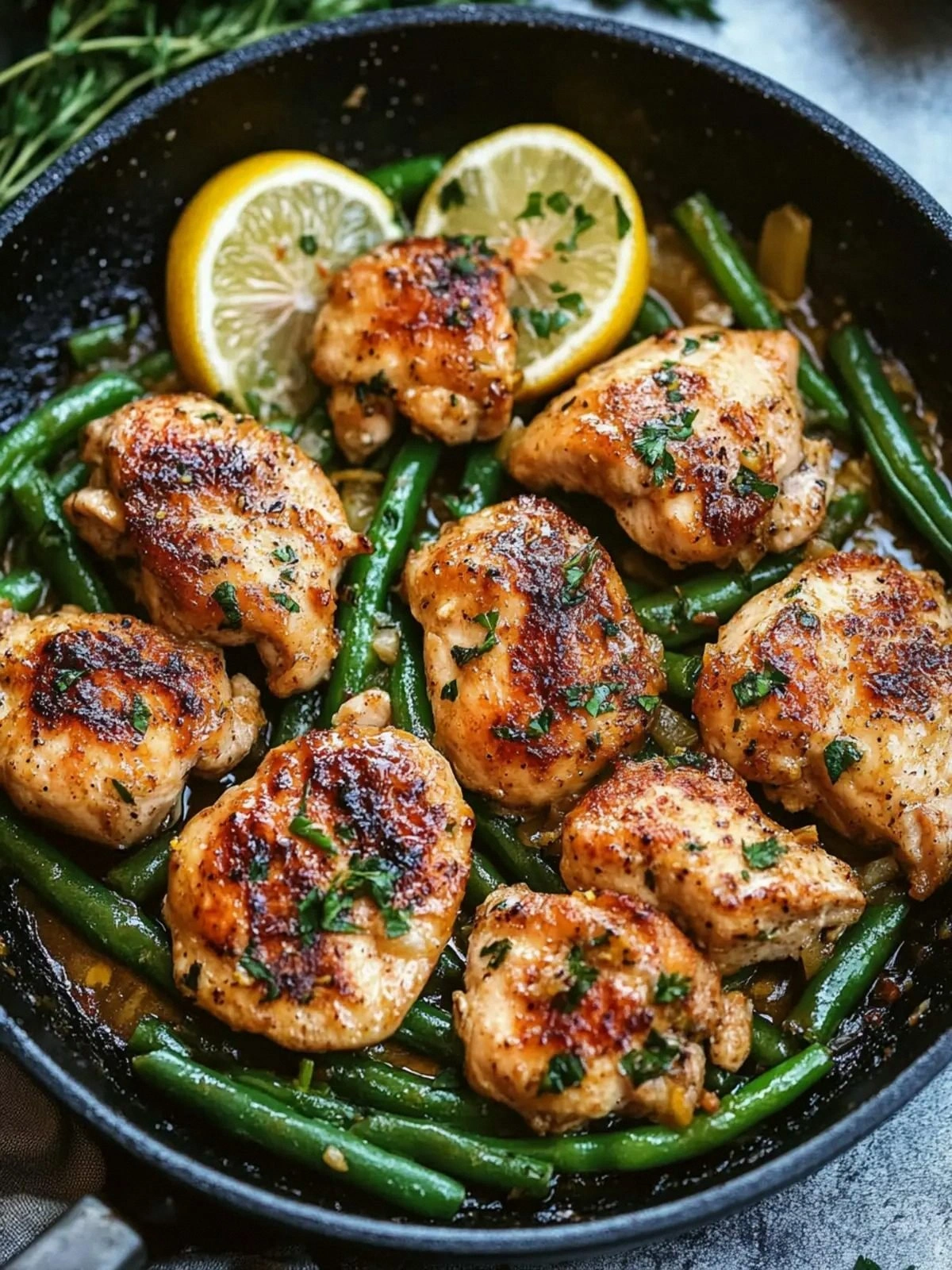
The Method — Step by Step
- Season the chicken thighs generously with salt, cracked black pepper, paprika, and onion powder. Let them rest at room temperature for 10 minutes; this allows the spices to penetrate the meat. The longer the seasoning sits, the deeper the flavor. If you’re in a hurry, you can season just before cooking, but the results will be slightly less intense. This step is the foundation for the savory crust that forms during searing.
- Heat a large skillet over medium‑high and add 2 tablespoons of butter. Once the butter foams, place the chicken thighs skin side down (if you kept the skin on for extra crispness). Sear for 4–5 minutes until a golden crust forms. Flip the thighs and sear the other side for 3–4 minutes. The goal is a caramelized exterior that locks in juices. Remove the chicken from the skillet and set aside; the pan is now ready for the sauce.
- Reduce the heat to medium and add the remaining butter, minced garlic, and crushed red pepper flakes. Sauté for 30 seconds until fragrant, watching the garlic to avoid burning. The aroma that fills the kitchen signals that the base of the sauce is forming. Stir constantly to keep the butter from separating. This quick step locks in the garlic’s sweetness and prevents it from becoming bitter.
- Pour in the lemon juice, hot sauce, and chicken stock, stirring to combine. Bring the mixture to a gentle simmer, allowing the flavors to meld. The sauce should thicken slightly, forming a glossy coating that clings to the chicken. The acidity from the lemon brightens the richness of the butter, creating a balanced profile. Let it simmer for 2 minutes to let the stock reduce just enough.
- Return the seared chicken thighs to the skillet, spooning sauce over them. Cover the pan and let the chicken simmer for 8 minutes, turning once to ensure even cooking. The chicken should reach an internal temperature of 165°F, and the sauce will thicken into a velvety glaze. The heat should be low enough to avoid scorching the butter, but high enough to keep the sauce moving. This step is where the flavors truly come together.
- Add the green beans to the skillet, stir to coat them in the sauce, and cover. Cook for 5–6 minutes until the beans are bright green and tender yet still crisp. The beans absorb the lemony butter sauce, adding a fresh burst of flavor. If you prefer softer beans, cook for an additional minute or two. This is the moment the dish transforms into a complete meal.
- Stir in the chopped parsley and lemon slices, adjusting the seasoning with salt and pepper to taste. The parsley adds a fresh, herbaceous note that lifts the richness of the sauce. Squeeze a bit more lemon juice if you like a sharper tang. Let the dish rest for a minute before serving to allow flavors to settle. The final touch is a drizzle of melted butter over the top for extra shine.
- Plate the chicken thighs and green beans on a warm platter, spooning the remaining sauce over the top. Garnish with extra parsley and a few lemon wedges for a pop of color. Serve immediately while the sauce is still silky and the beans are crisp. Pair with crusty bread to mop up the buttery sauce. This dish is so versatile that it can be served over rice, quinoa, or even mashed potatoes if you’re feeling adventurous.
That's it — you did it. But hold on, I've got a few more tricks that'll take this to another level...
Insider Tricks for Flawless Results
The Temperature Rule Nobody Follows
Many cooks start with high heat and end up with burnt edges. Start with medium‑high for the sear, then reduce to medium for the sauce. This keeps the butter from separating and ensures the chicken cooks evenly. I once tried high heat all the way through and ended up with a bitter, over‑cooked dish. Stick to the temperature gradient and you’ll achieve a silky, golden finish.
Why Your Nose Knows Best
Aroma is a powerful indicator of doneness. When the sauce starts to thicken, the scent becomes rich and buttery. If you notice a sharp, burnt smell, reduce the heat immediately. Trust your nose; it will tell you when the dish is ready. I’ve learned to listen to the kitchen’s signals and never overcook the butter.
The 5-Minute Rest That Changes Everything
After removing the skillet from heat, let the dish rest for five minutes. This allows the juices to redistribute throughout the chicken, resulting in a more succulent bite. The sauce also thickens slightly, making it easier to spoon over the thighs. I’ve seen this simple step elevate a good dish to great.
The Secret Butter Swap
If you’re watching calories, swap half the butter for a high‑smoke‑point oil like avocado or grapeseed. The oil will still provide the necessary heat for searing while cutting down on saturated fat. The result is a lighter, yet still flavorful, version of this classic.
The Garlic Toast Trick
To intensify the garlic flavor, toast whole cloves in a dry skillet for 2–3 minutes before mincing. This caramelizes the sugars and gives the sauce a subtle nutty undertone. I’ve used this trick to great effect in a recent dinner party, and guests raved about the depth of flavor.
Creative Twists and Variations
This recipe is a playground. Here are some of my favorite ways to switch things up:
Spicy Cajun Kick
Swap the paprika and onion powder for a Cajun spice blend. Add an extra teaspoon of hot sauce and a pinch of cayenne. The result is a fiery, aromatic dish that pairs well with a cool yogurt dip.
Herb‑Infused Delight
Replace the parsley with fresh basil or thyme. Add a splash of white wine during the sauce reduction for a subtle depth. The herbaceous notes complement the lemon and butter beautifully.
Mushroom Medley
Sauté sliced mushrooms with the garlic before adding the lemon juice. The mushrooms absorb the buttery sauce and add an earthy flavor. Serve over sautéed spinach for a low‑carb option.
Asian‑Inspired Twist
Swap the hot sauce for sriracha and add a tablespoon of soy sauce during the sauce reduction. Finish with a sprinkle of toasted sesame seeds and a drizzle of sesame oil. This version pairs well with jasmine rice.
Citrus Explosion
Add a splash of orange juice or a few slices of orange zest to the sauce. The sweet citrus balances the heat and adds a bright, refreshing finish. Pair with a light salad for a balanced meal.
Storing and Bringing It Back to Life
Fridge Storage
Cool the dish completely before transferring to an airtight container. Store in the refrigerator for up to 3 days. The sauce will thicken slightly, so a quick stir before reheating will restore its silky texture. Keep the green beans in a separate compartment if you prefer them crisper.
Freezer Friendly
Divide the dish into individual portions and wrap tightly with parchment paper. Freeze for up to 2 months. When ready to eat, thaw overnight in the fridge and reheat gently. The butter will stay creamy, and the lemon will maintain its bright flavor.
Best Reheating Method
Reheat in a skillet over medium heat, adding a splash of water or broth to steam the sauce back to its original consistency. Avoid microwaving, as it can separate the butter and make the dish greasy. A quick sauté will restore the golden crust and bring the flavors back to life.