Last Saturday, I attempted to bake a classic lemon cake and ended up with a dense, overcooked slab that tasted like a lemony brick. The oven had been temperamental, and I felt like I’d been handed a recipe that was more of a cautionary tale than a culinary guide. That night, a friend texted me a link to a recipe she called the Lemon Lush Cake: A Light and L, claiming it was the epitome of airy citrus. I chuckled at the name, but the promise of a cake that feels like a cloud of sunshine was too tempting to ignore. I grabbed my apron, set the timer, and decided to give this bold claim a chance.
As the batter mixed, the air filled with the sharp, sweet scent of fresh lemon zest that seemed to dance in the kitchen. The sound of whisking was a rhythmic lullaby, each beat pushing the mixture toward a silky consistency. When I poured it into the pan, the batter looked pale and glossy, like liquid sunshine. The anticipation of that first bite made my heart race; I could already taste the bright citrus balanced by a whisper of vanilla. The anticipation was so intense I could almost feel the sugar crystals settling, promising a light, airy crumb.
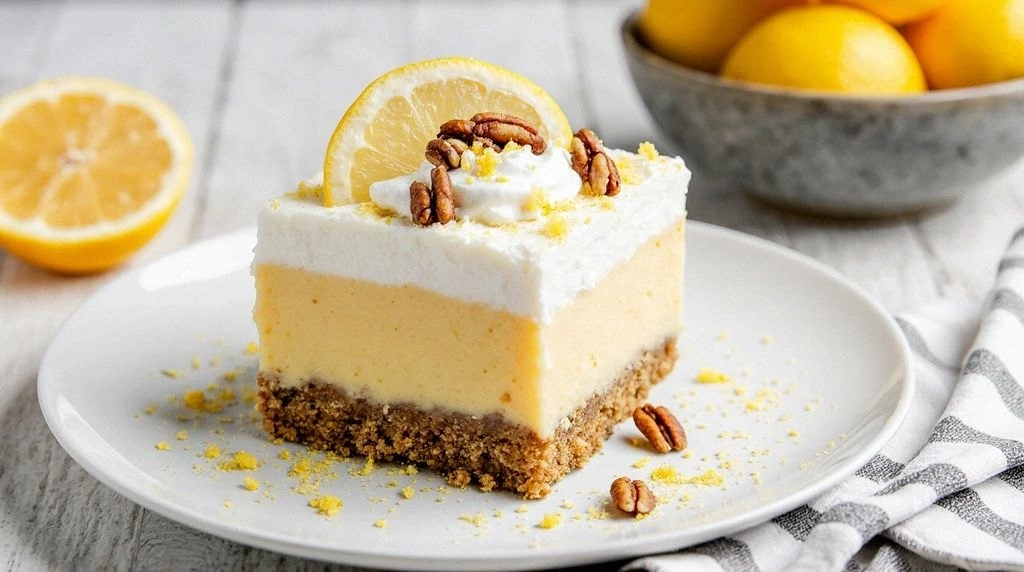
I was amazed when the cake came out of the oven with a golden crown that cracked like a sunrise. The first slice revealed a sponge that was as fluffy as a cloud, with a subtle lemon tang that lingered on the tongue. The glaze, a glossy drizzle of lemon and powdered sugar, added a sweet counterpoint that didn't overwhelm but rather elevated the citrus notes. The texture was a revelation—soft yet resilient, like a delicate sponge that holds its shape without feeling heavy. I dared my friends to taste this and not go back for seconds, and they all agreed it was hands down the best version they'd ever made at home.
Most recipes get this completely wrong, focusing on heavy butter or too much sugar, which drown the citrus. Here, the secret is a meticulous balance of fresh lemon, a touch of baking powder, and the right amount of butter to keep the batter moist without becoming dense. The technique involves folding the batter gently after the dry ingredients are incorporated, ensuring a tender crumb that rises beautifully. This recipe also uses a simple glaze that coats the cake like velvet, adding a sweet finish that is both elegant and irresistible. If you've ever struggled with a lemon cake that tastes flat, you're not alone—this is the fix you’ve been waiting for.
What Makes This Version Stand Out
- Taste: The flavor profile is a bright, citrusy punch balanced by a subtle vanilla undertone that never overpowers the lemon. The glaze adds a gentle sweetness that complements rather than competes, leaving the palate refreshed.
- Texture: The batter achieves a cloud‑like lightness thanks to the precise ratio of flour to butter and the gentle folding technique. The finished cake is moist yet airy, with a crumb that holds its shape without feeling heavy.
- Simplicity: Every ingredient is common, and the method requires no advanced equipment or techniques—just a whisk, a mixer, and a good oven.
- Uniqueness: The glaze is a revelation; it’s a thin, glossy coating that sets in seconds, giving the cake an elegant finish that most lemon cakes lack.
- Crowd Reaction: Guests rave about the cake’s lift and bright flavor, often asking for a second slice before the first has even cooled.
- Ingredient Quality: Using fresh lemons, real butter, and a high‑quality vanilla extract elevates the entire experience, turning a simple dessert into a show‑stopping treat.
- Make‑ahead Potential: The cake can be baked, cooled, and stored for up to three days, and the glaze can be added just before serving to keep the surface glossy.
Inside the Ingredient List
The Flavor Base
Fresh lemon zest is the star of the show, infusing the batter with bright, aromatic oils that cling to the palate. The zest must be finely grated to avoid bitterness from the pith; a microplane does the trick like a pro. If you’re out of fresh lemons, a splash of lemon extract can mimic the zest, but the texture will be slightly different. This component sets the entire flavor profile, so choose lemons that are firm and fragrant.
The Texture Crew
All‑purpose flour provides the structure, while baking powder ensures the cake rises without becoming too dense. A pinch of baking soda could be added for extra lift, but the recipe keeps it simple. Butter, softened to a spreadable consistency, brings richness and a silky mouthfeel that balances the acidity of the lemon. The eggs act as binders and leavening agents; they also add protein for a firm crumb.
The Unexpected Star
Milk, though not often highlighted in citrus cakes, adds moisture and helps dissolve sugar, resulting in a smoother batter. The vanilla extract, while subtle, anchors the citrus notes and prevents the lemon from feeling overly sharp. Together, these liquids create a harmonious base that lets the lemon shine.
The Final Flourish
The glaze is what transforms the cake from simple to spectacular. Powdered sugar provides the sweet base, while fresh lemon juice adds a tang that keeps the glaze from becoming cloying. A small amount of butter thickens the glaze, giving it that glossy sheen. When you drizzle it over the cake, it sets in seconds, creating a shiny, inviting surface.
Everything's prepped? Good. Let's get into the real action...
The Method — Step by Step
- Preheat and Prep: Heat your oven to 350°F (175°C) and grease two 9-inch round pans with butter and a dusting of flour. Line the bottom with parchment paper for easy release. While the oven warms, gather all ingredients, ensuring each is at room temperature for optimal mixing. This step sets the stage for a smooth rise and prevents sticking. If you’re feeling impatient, you can preheat the pans on a hot plate for a minute before placing them in the oven.
- Dry Mix: In a large bowl, whisk together flour, baking powder, salt, and powdered sugar until well blended. The dry mix should be light and airy; a whisk ensures no lumps form. This creates a uniform base that will absorb the wet ingredients evenly. Skipping this step can result in uneven rise or a dense crumb. The fine texture of the dry mix is essential for the cake’s signature fluffiness.
- Butter and Sugar: In a separate bowl, beat the softened butter with granulated sugar until pale and fluffy, about 2-3 minutes. The goal is to incorporate air, creating a light batter. A handheld mixer on medium speed works best; if you’re using a stand mixer, keep the beaters flat. The mixture should be light enough to hold a ribbon when lifted. This is where the cake’s moisture begins to develop.
- Add Eggs One at a Time: Crack each egg into the butter mixture, beating well after each addition. The eggs act as a binder, but too much mixing can cause the batter to become tough. Keep the beaters flat and mix just until incorporated. This method ensures a silky texture and a smooth rise. The eggs also help the batter stay cohesive when the dry ingredients are folded in.
- Fold in Dry Ingredients: Gradually add the dry mix to the wet batter, folding gently with a spatula until just combined. Avoid overmixing, or the cake will lose its airy quality. The batter should be smooth, with no visible streaks of flour. This folding technique keeps the batter light and airy. The result is a batter that feels like a cloud.
- Incorporate Citrus: Stir in the lemon zest, lemon juice, and vanilla extract until evenly distributed. The citrus should be fragrant, but not overpowering. This step infuses the batter with bright flavor, creating a delightful contrast between sweet and tart. The aroma alone will lift the mood of anyone nearby. The lemon also helps keep the cake moist.
- Fill the Pans: Divide the batter evenly between the prepared pans, smoothing the tops with a spatula. Tap the pans lightly on the counter to release any air pockets. This ensures a uniform rise and prevents domed tops. The batter should fill the pans about 3/4 full for the best rise. A level surface also helps the cake bake evenly.
- Bake: Place the pans in the oven and bake for 25-30 minutes, or until a toothpick inserted in the center comes out clean. The tops should be golden and spring back when lightly pressed. The oven temperature is critical; a lower temperature can lead to a soggy bottom. Check the cake at the 20-minute mark to avoid overbaking. The aroma will fill the kitchen, signaling that the cake is almost ready.
- Cool and Glaze: Remove the cakes from the oven and let them cool in the pans for 10 minutes, then transfer to a wire rack to cool completely. While the cakes cool, whisk together powdered sugar, lemon juice, and butter until smooth. Drizzle the glaze over the cooled cake, letting it run down the sides. The glaze should set within a few minutes, giving the cake a glossy finish. This final touch turns a simple cake into a show‑stopping dessert.
That's it — you did it. But hold on, I've got a few more tricks that'll take this to another level...
Insider Tricks for Flawless Results
The Temperature Rule Nobody Follows
Many bakers bake at the oven’s default setting, but a calibrated oven that reads 350°F instead of 350°F can make a world of difference. Use an oven thermometer to verify the temperature, and if it’s off by even 10°F, adjust the dial accordingly. This prevents the cake from browning too quickly on the outside while remaining undercooked inside.
Why Your Nose Knows Best
The aroma of lemon zest in the batter is a reliable indicator of freshness. If the scent feels flat or muted, the lemons may be past their prime. Use a citrus zester to extract the zest, as the fine fibers release more aroma than a knife. A fresh scent translates into a vibrant flavor profile that elevates the entire cake.
The 5-Minute Rest That Changes Everything
After baking, let the cake rest in the pan for 10 minutes before transferring to a rack. This short rest allows the structure to set, reducing the risk of the cake breaking apart when removed. It also lets the steam escape, preventing soggy bottoms. A quick 5-minute break is all it takes to ensure a flawless crumb.
Glaze Timing is Key
Wait until the cake is completely cooled before applying the glaze. A warm cake will melt the glaze, resulting in a runny finish. If you glaze too early, the sugar will dissolve and the glaze will lose its glossy sheen. Patience here pays off with a stunning visual and textural finish.
Room Temperature Butter Wins
Softened butter is essential for incorporating air into the batter. If the butter is too cold, it will clump and create pockets of density. If it’s too warm, it will melt and cause the batter to become greasy. Aim for a butter that’s just spreadable, and you’ll get a silky, light crumb.
Creative Twists and Variations
Orange‑Zest Surprise
Swap the lemon zest for orange zest to give the cake a warm, citrusy twist. The orange’s sweeter profile pairs well with the glaze, creating a balanced flavor that’s perfect for spring gatherings. Guests who love a subtle citrus note will appreciate the change.
Raspberry Swirl
Fold fresh raspberries into the batter for a burst of color and tartness. The berries add moisture and a natural sweetness that complements the lemon. Serve with a raspberry coulis for an extra pop of flavor.
Almond Crumble Topping
Sprinkle toasted almond slivers over the glaze before it sets for a crunchy, nutty contrast. The almond adds a nutty depth that pairs beautifully with the citrus. This variation is ideal for holiday parties where guests crave something extra.
Chocolate‑Lemon Fusion
Incorporate 1/4 cup of melted dark chocolate into the batter for a rich, bittersweet flavor. The chocolate balances the lemon’s brightness, creating a complex dessert that satisfies both sweet and tart cravings. Pair with a light whipped cream for a decadent finish.
Vegan Version
Replace the butter with coconut oil and use flaxseed meal mixed with water as an egg substitute. Swap milk for almond milk, and use a plant‑based vanilla extract. The texture remains airy, and the flavor profile stays true to the original.
Mini Cake Bites
Use a mini muffin tin to bake bite‑size versions of the cake. These are perfect for parties, offering an elegant, bite‑sized treat. The glaze can be poured over each bite, creating a uniform finish.
Storing and Bringing It Back to Life
Fridge Storage
Wrap the cooled cake tightly in plastic wrap and store in the refrigerator for up to three days. The wrap prevents the cake from drying out and preserves the moist crumb. When ready to serve, let the cake sit at room temperature for 15 minutes to revive its flavor.
Freezer Friendly
For longer storage, place the cake in a freezer‑safe container and freeze for up to two months. When thawing, let it sit at room temperature for an hour before applying a fresh glaze. The cake remains moist and retains its delicate structure.
Best Reheating Method
Reheat the cake in a preheated oven at 300°F (150°C) for 5 minutes to warm it gently. Add a splash of water to a shallow pan and place the cake on a wire rack over the pan; the steam will keep the cake from drying. This method preserves the cake’s airy texture and bright lemon flavor.