I was standing in my kitchen, staring at a sad, limp salmon fillet that had just been pulled from the freezer. The freezer had been a black hole of forgotten groceries, and I had been forced to improvise a dinner that would somehow please my taste buds and my sanity. I opened the fridge, rummaged through the condiments drawer, and found a bottle of maple syrup that had been sitting there since last winter's Thanksgiving. I had never mixed maple syrup with Dijon mustard before, but the idea of a sweet‑savory glaze that could turn a bland fish into a showstopper was too tempting to ignore. I was about to make a culinary mistake—until I remembered the tiny bottle of soy sauce that had been left on the shelf, a relic from a last week’s Asian stir‑fry. That moment of culinary epiphany turned a potential disaster into a daring experiment.
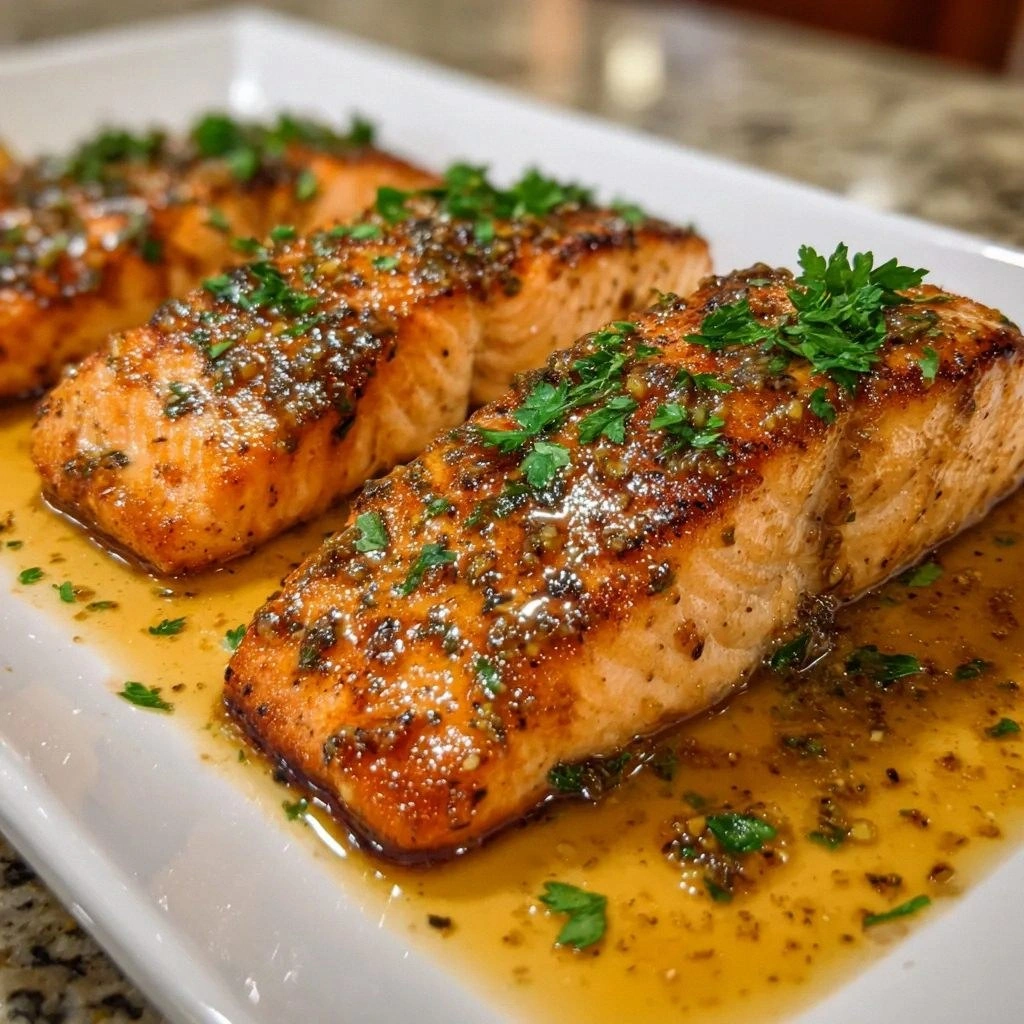
Picture the scene: the salmon, a pale, almost translucent slab, sits on a cutting board. The air is filled with the sweet, caramelized aroma of maple syrup, a faint tang of Dijon mustard, and the umami whisper of soy sauce. The sound of the pan heating up is a low, steady hiss that promises transformation. When the fish finally hits the skillet, there’s a satisfying sizzle that releases a burst of aroma that makes your mouth water even before your first bite. The texture of the glaze is silky yet thick enough to cling to the fillet, coating it like a glossy coat of lacquer. The moment you taste it, the flavors erupt: the maple sweetness cuts through the richness of the salmon, the mustard adds a sharp bite, and the soy sauce provides a deep, savory backdrop that ties everything together.
Why does this version stand out from every other salmon recipe out there? First, it balances the sweet and savory in a way that feels both comforting and sophisticated. Second, the glaze is a single, easy-to-make sauce that coats the fish like velvet, eliminating the need for multiple sauces or complex marinades. Third, the technique of searing the salmon first and then finishing it in the glaze locks in moisture, giving you a flaky interior and a crisp exterior that shatters like thin ice when you bite into it. Fourth, the use of olive oil instead of butter gives a subtle, fruity brightness that elevates the dish without overpowering it. And finally, the finishing touch of fresh parsley adds a burst of color and a hint of herbal freshness that completes the plate. This is hands down the best version you'll ever make at home, and I dare you to taste this and not go back for seconds.
If you've ever struggled to make salmon that isn't dry or bland, you're not alone—and I've got the fix. Picture yourself pulling this out of the oven, the whole kitchen smelling incredible, the salmon shimmering with a golden glaze that glistens like a jewel. Let me walk you through every single step—by the end, you'll wonder how you ever made it any other way.
What Makes This Version Stand Out
- Taste: The maple and Dijon duo delivers a sweet‑savory punch that cuts through the natural fattiness of salmon, creating a flavor profile that feels both luxurious and approachable.
- Texture: The glaze forms a caramelized crust that stays tender inside, giving you a flaky center that melts in your mouth while the edges stay crisp.
- Simplicity: No need for a separate sauce or marination step—everything is done in one pan, saving time and reducing cleanup.
- Uniqueness: The unexpected addition of soy sauce brings an umami depth that most salmon recipes miss, turning an ordinary dish into a memorable centerpiece.
- Crowd Reaction: Friends and family will rave about the glossy glaze and the surprising depth of flavor, making this dish a conversation starter at any dinner.
- Ingredient Quality: Fresh salmon, pure maple syrup, and authentic Dijon mustard are the pillars that elevate the dish from good to great.
- Cooking Method: Searing first and finishing in glaze locks moisture, ensuring the fillets stay juicy and tender.
- Make‑Ahead Potential: The glaze can be prepared in advance, and the salmon can be cooked just before serving, making it ideal for meal prep or last‑minute entertaining.
Inside the Ingredient List
The Flavor Base
Maple syrup is the star of the show, providing a natural sweetness that caramelizes beautifully when heated. Its complex sugar profile gives depth, turning a simple glaze into a glossy, buttery coating that lingers on the palate. If you skip maple syrup, the dish loses that unmistakable caramel note, becoming a plain mustard‑soy sauce affair. A good rule of thumb is to choose a pure, 100% maple syrup; lighter varieties can be too mild, while darker ones can overpower the fish. When using maple syrup, keep an eye on the heat—over‑simmering can burn the sugars and create a bitter taste.
The Texture Crew
Olive oil is more than just a cooking fat; it adds a subtle fruity brightness that complements the salmon’s natural oils. It also helps the glaze adhere to the fish, creating a smooth, glossy finish. If you prefer a richer, buttery flavor, you can substitute melted butter, but be cautious of the higher smoke point of olive oil that allows for a cleaner sear. The olive oil also aids in achieving a crisp exterior; without it, the fillet can become mushy. The choice of oil can subtly shift the overall flavor profile, so pick one that aligns with your taste preference.
The Unexpected Star
Soy sauce might seem out of place in a maple‑mustard glaze, but its umami punch is essential for balancing the sweetness. It adds depth and complexity, creating a savory counterpoint that prevents the dish from feeling too sugary. Opt for a low‑sodium version if you’re watching your salt intake; this keeps the glaze from becoming overly salty. If you’re adventurous, a splash of tamari can add an extra layer of flavor. The key is to let the soy sauce mingle with the maple and mustard, forming a harmonious blend that coats the salmon perfectly.
The Final Flourish
Fresh parsley is the finishing touch that brings color and a bright herbal note to the plate. It cuts through the richness of the glaze, providing a fresh contrast that keeps the dish from feeling heavy. If parsley isn’t available, a sprinkle of chives or a dash of lemon zest can serve as a suitable substitute. The garnish also adds a pop of visual appeal, making the dish Instagram‑worthy. A small amount is enough; over‑garnishing can overpower the delicate flavors of the glaze.
Everything's prepped? Good. Let's get into the real action...
The Method — Step by Step
- Season the Fillets: Pat the salmon fillets dry with paper towels until they feel tacky to the touch. Sprinkle salt and pepper evenly on both sides, making sure the seasoning adheres. This step is crucial; it creates a flavorful crust and helps the glaze stick. If you’re watching sodium, use a low‑sodium soy sauce to compensate. The fillets should feel firm, not mushy, before you move on.
- Heat the Pan: Place a heavy skillet over medium‑high heat and add a splash of olive oil. Wait until the oil shimmers but isn’t smoking. This ensures the salmon won’t stick and will develop a golden sear. The right temperature is key—too low, and the fillets will steam; too high, and they’ll burn. Keep the heat steady, and let the pan heat for a minute before adding the fish.
- Sear the Salmon: Lay the fillets skin‑side down in the pan, pressing gently to keep them flat. Let them sear for 3–4 minutes until the skin is crisp and releases easily from the pan. Flip the fillets and sear the other side for 2 minutes. The sizzling sound is a sign that the fish is cooking properly. This step locks in moisture, preventing the fillets from drying out later.
- Make the Glaze: In a small bowl, whisk together maple syrup, Dijon mustard, soy sauce, and a drizzle of olive oil. The mixture should be smooth, with no lumps of mustard. Pour the glaze over the salmon, ensuring each fillet is coated evenly. The glaze should be glossy and cling to the fish like a fine film. Stir the pan gently to help the glaze spread.
- Simmer: Reduce the heat to medium and let the salmon cook in the glaze for 5 minutes. The glaze should thicken slightly and coat the fish, turning a translucent sheen into a glossy, caramelized finish. Watch for the edges to pull away from the pan—this indicates that the glaze has set. The aroma should be sweet, tangy, and slightly salty. Do not rush; a short simmer is all you need.
- Watch Out: If you add too much liquid or let the pan get too hot, the glaze can burn and become bitter. Keep the heat controlled and stir occasionally to prevent scorching. The glaze should remain smooth, not bubbly or frothy. A burnt glaze will ruin the delicate balance of flavors.
- Finish with Parsley: Remove the pan from heat and sprinkle chopped parsley over the fillets. The fresh herbs add a pop of color and a bright, herbal note that cuts through the richness. Let the fish rest for 2 minutes; the glaze will thicken further, making each bite even more luscious.
- Plate and Serve: Transfer the fillets to a warm plate, spooning any remaining glaze over the top. Serve immediately with your favorite side—roasted veggies, quinoa, or a light salad. The dish should feel warm, glossy, and inviting. The first bite will reveal the sweet, tangy glaze, followed by the buttery salmon flesh. Enjoy!
That's it — you did it. But hold on, I've got a few more tricks that'll take this to another level.
Insider Tricks for Flawless Results
The Temperature Rule Nobody Follows
Many people think high heat is always better for searing, but too high can cause the salmon to cook unevenly. Use medium‑high heat and let the pan reach the right temperature before adding the fillets. A quick test is to drop a small splash of water into the pan—if it sizzles immediately, you’re ready. This technique ensures a crisp skin and a tender interior. I once seared salmon at too high a heat and ended up with a charred exterior and a dry center—lesson learned.
Why Your Nose Knows Best
Smell is the ultimate guide to doneness. When the glaze starts to thicken and emits a caramelized aroma, it’s time to flip the fillets. A faint, sweet scent signals that the sugars are caramelizing without burning. Trust your nose; it’s a reliable indicator that your dish is on the right track. I’ve found that the first time I let the glaze bubble too much, the dish turned bitter—so I always keep an eye (and nose) on the glaze.
The 5‑Minute Rest That Changes Everything
Letting the salmon rest for 2–5 minutes after cooking allows the glaze to set and the juices to redistribute. This small pause makes a noticeable difference in texture and flavor. The glaze thickens, creating a glossy sheen that’s more appetizing. I’ve seen people skip this step and end up with a runny glaze that drips off the plate. Resting is a simple, free trick that elevates the entire dish.
The Secret to a Crispy Skin
If your salmon comes with skin, keep it crisp by patting it dry before seasoning. The drier the skin, the less steam it creates, which means it won’t become soggy. Once seared, flip the fillet and let the skin cook for an extra minute—this helps it crisp up even more. A crisp skin adds a delightful contrast to the tender flesh and a subtle crunch that many people love.
The Quick Glaze Fix
If you’re short on time, you can pre‑mix the glaze ingredients in a small bowl and keep them in the fridge until you’re ready to cook. When you’re ready, pour the glaze into the pan and let it simmer for just a minute or two. The glaze will thicken quickly, and you’ll still get that caramelized finish. This trick is perfect for busy weeknights when you still want a gourmet flavor.
Creative Twists and Variations
This recipe is a playground. Here are some of my favorite ways to switch things up:
Citrus‑Infused Glaze
Swap the soy sauce for a splash of orange or lemon juice, and add a teaspoon of zest. The citrus will brighten the glaze and give it a fresh, vibrant flavor that pairs beautifully with the maple sweetness. This variation is perfect for summer gatherings.
Spicy Maple Dijon
Add a pinch of cayenne pepper or a drizzle of sriracha to the glaze. The heat contrasts with the maple’s sweetness, creating a complex flavor profile that’s both bold and satisfying. Ideal for those who love a little kick.
Herb‑Rich Variation
Incorporate fresh thyme or rosemary into the glaze. The earthy herbs complement the salmon’s natural flavor and add aromatic depth. This version is great for a cozy, rustic dinner.
Smoky Twist
Add a teaspoon of smoked paprika to the glaze. The smoky flavor pairs well with the maple and mustard, giving the dish a campfire vibe. This is a great option for outdoor BBQs.
Vegetarian Glaze
Replace salmon with thick-cut grilled portobello mushrooms. The mushrooms soak up the glaze beautifully, offering a hearty, plant‑based alternative that still delivers on flavor.
Asian Fusion
Swap the maple syrup for honey and add a splash of rice vinegar to the glaze. This creates a sweet and tangy Asian‑inspired flavor that pairs well with steamed rice and sautéed greens.
Storing and Bringing It Back to Life
Fridge Storage
Store the cooked salmon in an airtight container in the refrigerator for up to 3 days. Keep the glaze separate if possible; you can reheat the salmon and drizzle fresh glaze on top. If you’re storing the glaze with the fish, reheat gently over low heat to avoid over‑cooking the salmon. This method preserves the delicate texture and flavor.
Freezer Friendly
For longer storage, freeze the salmon fillets in a freezer‑safe bag, removing as much air as possible. They’ll keep well for up to 2 months. When you’re ready to serve, thaw in the refrigerator overnight and reheat in a skillet over medium heat. Add a splash of water or broth before reheating to keep the fish moist.
Best Reheating Method
Reheat the salmon in a skillet over low heat, adding a tiny splash of water to create steam. This trick steams the fish back to perfection, preventing it from drying out. Finish with a fresh drizzle of glaze and a sprinkle of parsley for a freshly cooked look.