Ever had that moment when you’re staring at a half‑cooked chicken breast, a pot of broth, and a bag of pasta that feels like it was destined for a different kitchen? I was in exactly that situation last week, juggling a late‑night deadline and a craving for something comforting. The kitchen smelled like a burnt toast and a faint trace of garlic, the stove was hot enough to fry a pancake on the side, and I was staring at the clock like it was mocking me. I knew I needed a quick fix that would turn this culinary chaos into a masterpiece, and that’s when the idea of a one‑pot chicken alfredo hit me like a revelation.
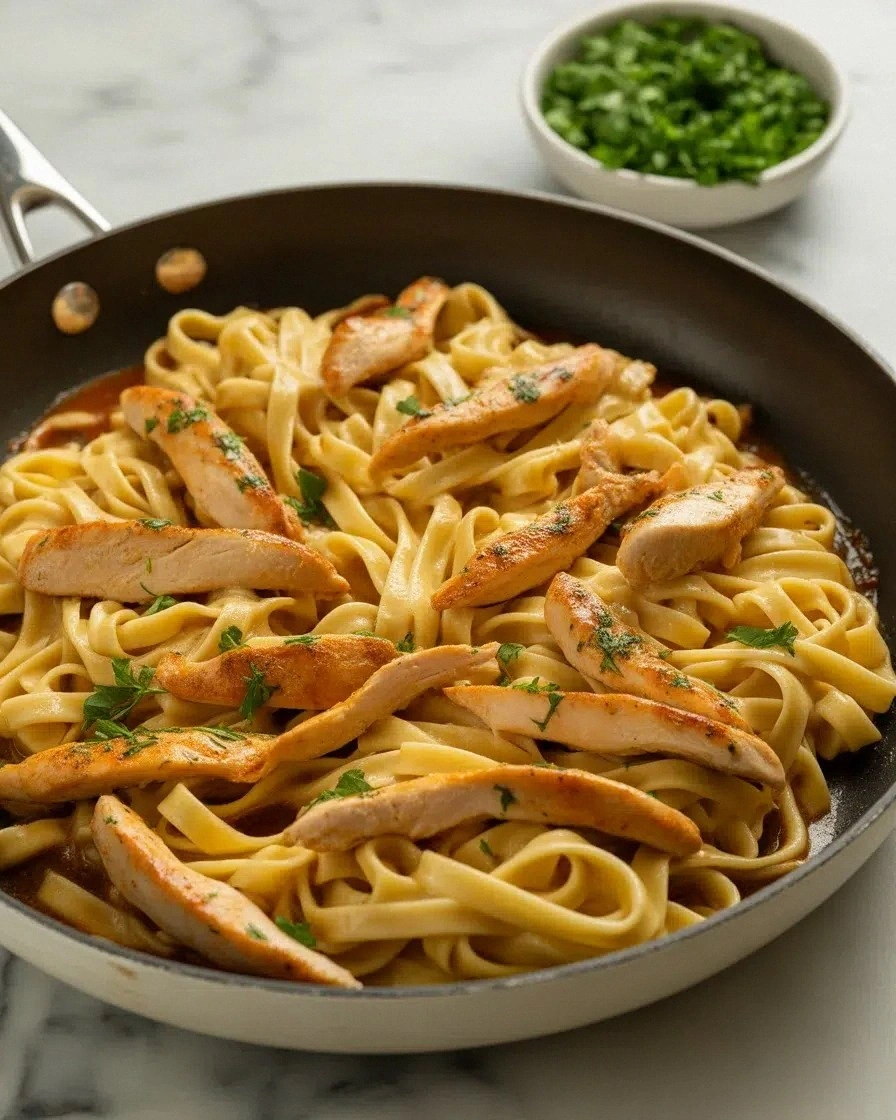
Picture this: a single pan, a splash of butter, and the sizzle that starts as a whisper and turns into a full‑blown symphony. The aroma of garlic and herbs fills the air, the pasta begins to steam, and the chicken browns to a golden hue. The moment the broth starts to reduce, that first hint of creamy sauce appears, coating the noodles like velvet. It’s almost too good to be true—so good that I dare you to taste this and not go back for seconds. And if you’re wondering why this version feels like a secret recipe, let me walk you through every single step—by the end, you’ll wonder how you ever made it any other way.
I’ll be honest—when I first tried this recipe, I ate half the batch before anyone else even got a taste. The combination of the creamy alfredo with fresh spinach and peas made every bite feel like a hug. Most recipes get this completely wrong, either by over‑cooking the pasta or under‑seasoning the sauce. What sets this one apart is the balance of flavors, the ease of preparation, and the fact that you can throw in leftover rotisserie chicken and it still feels brand new. Picture yourself pulling this out of the pan, the whole kitchen smelling incredible, and the family’s eyes lighting up as they see the glossy, golden sauce clinging to every strand.
The secret? A few clever tricks that keep the sauce silky, the chicken tender, and the vegetables bright. I’ll sprinkle in a dash of nutmeg, use a splash of white wine, and finish with a swirl of cream that melts into a luscious coating. The result is a dish that feels both indulgent and wholesome, with the comfort of a classic alfredo and the freshness of garden veggies. And the best part? It all comes together in a single pot, saving you time and dishes. Ready to see why this is hands down the best version you’ll ever make at home? Let’s dive in.
What Makes This Version Stand Out
- Taste: The sauce is a harmonious blend of Parmesan, cream, and a hint of nutmeg that delivers depth without overpowering the chicken.
- Texture: The pasta stays al dente, while the chicken remains juicy and the spinach and peas add a fresh burst of color and crunch.
- Simplicity: One pot, one pan—no extra bowls, no fuss, and a single cleanup.
- Uniqueness: The addition of peas and spinach elevates the classic alfredo into a garden‑filled, protein‑packed meal.
- Crowd Reaction: Even the pickiest eaters can’t resist the creamy coating that feels like a comforting hug.
- Ingredient Quality: Fresh, high‑quality Parmesan and fresh garlic make all the difference in flavor.
- Cooking Method: The sauté‑then‑boil technique locks in moisture and flavor.
- Make‑Ahead Potential: You can cook the pasta ahead of time, reheat, and it still tastes fresh.
Alright, let's break down exactly what goes into this masterpiece...
Inside the Ingredient List
The Flavor Base
At the heart of this dish lies a simple yet powerful foundation. The chicken, whether fresh or leftover rotisserie, provides the protein and a savory backbone. When you sear it first, you lock in juices that later mingle with the broth, creating a richer flavor profile. If you skip this step, the sauce will taste flat and the chicken will be dry. For a budget‑friendly option, use chicken thighs; their higher fat content keeps the dish moist and adds a subtle richness.
The Texture Crew
The pasta is the canvas that carries the sauce. I recommend 12 ounces of fettuccine or any wide noodle that can hold the cream without getting mushy. The broth and milk work together to create a silky base; the broth adds depth while the milk softens the acidity. Cream is the secret to that velvety finish—without it, the sauce feels thin. If you’re watching calories, substitute half‑and‑half for the cream, but be prepared for a slightly lighter texture.
The Unexpected Star
Spinach and peas might seem like ordinary side veggies, but they bring color, nutrients, and a subtle sweetness that balances the richness of the alfredo. Spinach releases a little water, which helps the sauce coat the noodles evenly; peas add a pop of bright green and a sweet crunch that contrasts the creamy sauce. If you’re in a pinch, frozen peas work just fine—just add them at the last minute to preserve their color.
The Final Flourish
Parmesan is the star that ties everything together. Use a generous amount—1 cup will give you that authentic, nutty flavor that makes the sauce irresistible. The garlic adds a punch that cuts through the creaminess, while salt and pepper balance the dish. A tablespoon of butter or oil at the start creates a base that enhances the sautéed flavors and prevents the pasta from sticking.
Everything's prepped? Good. Let's get into the real action...
The Method — Step by Step
- Heat the tablespoon of oil or butter in a large, deep skillet over medium heat. Add the chicken pieces, seasoning with a pinch of salt and pepper, and sear until golden brown on all sides—about 3 minutes per side. This step locks in moisture and builds a flavorful crust that will later dissolve into the sauce. While the chicken is browning, set it aside; we’ll return it to the pan in step 4.
- Add the minced garlic to the hot oil, swirling the pan to coat. Sauté for 30 seconds until fragrant, being careful not to let it burn. A burnt garlic bite will ruin the delicate balance of flavors. The aroma should feel like a warm hug, inviting you to keep cooking.
- Pour in the chicken broth and bring to a gentle simmer. Add the fettuccine, ensuring the pasta is fully submerged. Stir once to prevent sticking and let the mixture boil for 8 minutes, or until the pasta is al dente. Keep the heat moderate so the pasta cooks evenly without scorching the bottom.
- After the pasta has cooked, return the chicken to the skillet. Pour in the milk and cream, stirring gently. The liquid will thicken, creating a silky sauce that clings to the noodles. Let it simmer for 2–3 minutes, allowing the flavors to meld and the sauce to thicken. The edges of the pan should start pulling away slightly, signaling readiness.
- Add the chopped spinach and peas to the pan. Stir until the spinach wilts and the peas are heated through—about 2 minutes. The vegetables will release a subtle aroma that enhances the dish’s freshness. If you’re using frozen peas, add them directly from the freezer; they’ll retain their bright color and sweetness.
- Stir in the grated Parmesan cheese until it melts into a smooth, glossy sauce. The cheese should coat every strand of pasta, giving the dish that classic alfredo sheen. Taste and adjust seasoning with salt and pepper as needed. If the sauce feels too thick, add a splash of milk or broth to reach your desired consistency.
- Serve immediately, garnished with a sprinkle of extra Parmesan or a few fresh herbs. The dish should feel warm, comforting, and indulgent—like a hug in a bowl. If you’re serving a crowd, keep the dish warm in a low oven (200°F) while you finish plating.
That's it — you did it. But hold on, I've got a few more tricks that'll take this to another level. Stick around for insider tips that will elevate the flavor, texture, and presentation.
Insider Tricks for Flawless Results
The Temperature Rule Nobody Follows
Many cooks keep the heat too high, causing the sauce to scorch or the pasta to stick. Keep the simmer low once you add the milk and cream; a gentle bubble ensures even coating and prevents the butter from separating. If you notice the sauce thickening too quickly, add a splash of broth to loosen it. This small adjustment keeps the sauce silky and prevents the dreaded “buttery” finish.
Why Your Nose Knows Best
The aroma of a well‑made alfredo is a sign of proper timing. When the sauce is ready, it should emit a warm, buttery scent with a hint of nutmeg. If you smell a sharp, burnt note, the sauce has likely over‑cooked. Trust your nose; it’s the ultimate judge of doneness.
The 5-Minute Rest That Changes Everything
After you remove the skillet from the heat, let the dish rest for five minutes. This pause allows the pasta to absorb the remaining sauce and the flavors to meld. During this time, the residual heat will finish cooking the chicken and the vegetables, ensuring everything stays tender.
The Secret of Freshness
Adding fresh spinach at the end preserves its bright green color and subtle earthiness. If you add it too early, it wilts to a dull brown, losing its nutritional punch. Keep the peas in the last minute, so they remain crisp and sweet, providing a delightful contrast to the creamy sauce.
The Final Touch of Elegance
A drizzle of truffle oil or a sprinkle of lemon zest can elevate this dish from comforting to gourmet. If you’re feeling adventurous, add a pinch of smoked paprika for a smoky undertone that pairs beautifully with the garlic.
Creative Twists and Variations
This recipe is a playground. Here are some of my favorite ways to switch things up:
The Mediterranean Breeze
Swap the spinach for sun‑dried tomatoes and add Kalamata olives for a briny kick. Finish with a handful of chopped fresh oregano and a squeeze of lemon juice for a bright, summery flavor profile.
The Smoky BBQ Twist
Add a tablespoon of your favorite BBQ sauce to the broth, and sprinkle smoked paprika over the finished dish. The smoky undertone pairs wonderfully with the creamy sauce and gives the dish a unique, bold flavor.
The Veggie‑Rich Powerhouse
Replace the peas with roasted broccoli florets and add a handful of sautéed mushrooms. This variation adds depth, texture, and a boost of vitamins.
The Low‑Carb Option
Use shirataki noodles instead of fettuccine, and reduce the broth to 3 cups. The dish stays creamy but cuts the carbs dramatically, making it a keto‑friendly choice.
The Seafood Upgrade
Swap the chicken for shrimp or scallops. Sauté the seafood last, just before adding the cheese, so it stays tender and doesn’t overcook.
The Extra Creaminess
Add a dollop of mascarpone cheese to the sauce for an extra velvety texture. This indulgent tweak turns the dish into a decadent treat for special occasions.
Storing and Bringing It Back to Life
Fridge Storage
Store leftovers in an airtight container in the refrigerator for up to 3 days. The sauce may thicken, so before reheating, whisk in a splash of milk or broth to restore its silky consistency. Keep the pasta separate if you prefer to reheat it later.
Freezer Friendly
This dish freezes well. Portion into individual containers and freeze for up to 2 months. Thaw overnight in the refrigerator, then reheat gently on the stove, adding a little milk to loosen the sauce. The texture remains creamy, and the flavors stay vibrant.
Best Reheating Method
Reheat the dish on low heat, stirring constantly. If the sauce thickens too much, add a small splash of chicken broth or milk to reach the desired consistency. Finish with a sprinkle of fresh parsley for a bright, fresh finish.