Picture this: you’re standing in a cramped kitchen, the stove blazing, a pot on the counter, and a craving that feels like a culinary dare. I had just pulled a bag of jasmine rice from the pantry, and the aroma of toasted sesame oil hit me like a punch in the nose. The idea of a one‑pot meal that could satisfy a hungry crowd and still feel fancy was born in that moment. I was determined to turn a simple rice dish into something that would have people asking for seconds—and then thirds—without a second thought. I dare you to taste this and not go back for seconds, because this version is hands down the best you’ll ever make at home.
The first bite is a revelation: a silky grain that hugs every morsel of aromatic spice, a hint of citrus from the star anise, a whisper of heat from the Sichuan peppercorns, and a deep, comforting umami that comes from a splash of soy sauce. The steam that rises from the pot carries a fragrance that feels like a warm hug from a grandmother’s kitchen. The sound of the rice simmering is a gentle lullaby that signals everything is on the right track. The texture is a perfect balance—soft yet distinct grains that don’t clump, and a subtle crunch from the toasted ginger. The taste is a symphony, each spice playing its part in a harmony that’s both exotic and familiar.
What sets this version apart is the meticulous layering of flavors and the use of five‑spice powder in a way that’s both bold and restrained. I’ve taken the classic Chinese five‑spice blend, added a touch of toasted sesame oil for depth, and introduced a splash of rice wine for a delicate sweetness that isn’t overpowering. The result is a dish that feels like it could be served at a banquet or on a weekday table. It’s a dish that invites conversation—“Where did you learn that trick?” and “Can I have the recipe?” are the inevitable responses. I’ll be honest—I ate half the batch before anyone else got to try it, and that’s the kind of moment you want to create.
Most recipes get this completely wrong by either over‑seasoning or under‑cooking the rice, but I’ve discovered a simple method that locks in flavor without compromising texture. The secret is a careful balance of heat and sweetness, and a little patience when letting the rice absorb the aromatics. And now the fun part: I’ll walk you through every single step, and by the end, you’ll wonder how you ever made it any other way. So grab a pot, a splash of oil, and let’s get started.
What Makes This Version Stand Out
- Taste: The blend of star anise, cinnamon, cloves, and Sichuan peppercorns creates a depth that feels both comforting and adventurous. The subtle sweetness from the soy sauce and a splash of rice wine lifts the dish without masking the rice.
- Texture: The grains remain separate and fluffy, thanks to a precise water ratio and a gentle simmer that allows steam to do the work. The toasted ginger adds a gentle crunch that contrasts beautifully.
- Simplicity: One pot, one stove, one cleanup. No need to juggle separate pans or constantly stir. It’s the ultimate time‑saver for busy weeknights.
- Uniqueness: The addition of toasted sesame oil and a touch of rice wine gives this dish a signature twist that sets it apart from standard five‑spice rice.
- Crowd Reaction: Friends who’ve tried it say it “transforms a plain side dish into a star of the meal.” The aroma alone can fill a room and draw people to the table.
- Ingredient Quality: Using high‑grade jasmine rice and fresh spices ensures that every bite is aromatic and flavorful. The quality of the soy sauce also plays a pivotal role.
- Cooking Method: The one‑pot technique locks in moisture and flavor, eliminating the need for constant checking. It’s a fool‑proof method that works for beginners and pros alike.
- Make‑Ahead Potential: This dish can be prepared a day ahead and reheated with minimal loss of flavor. It’s perfect for meal prep and entertaining.
Alright, let's break down exactly what goes into this masterpiece.
Inside the Ingredient List
The Flavor Base
The jasmine rice is the canvas that absorbs every nuance of the five‑spice blend. Jasmine rice’s long, fragrant grains provide a subtle sweetness that complements the spices. If you skip the rice, you lose the dish’s identity, turning it into a generic broth. For the best result, rinse the rice until the water runs clear to remove excess starch.
The Aroma Crew
This group includes the star anise, cinnamon stick, cloves, and Sichuan peppercorns. Each spice contributes a distinct note: star anise offers a licorice undertone, cinnamon adds warmth, cloves bring a sharp bite, and peppercorns give a gentle heat that tingles. If you can’t find Sichuan peppercorns, a pinch of black pepper can mimic the heat, though it won’t have the same citrusy flavor.
The Sweet‑Umami Boost
Soy sauce, rice wine, and a dash of sesame oil form the sweet‑umami backbone. Soy sauce provides depth and a savory bite, rice wine adds a subtle sweetness that balances the spices, and sesame oil delivers a nutty aroma that rounds everything out. If you prefer a low‑sodium version, use a reduced‑salt soy sauce and adjust the salt accordingly.
The Final Flourish
Finishing touches like scallions, a squeeze of lime, or a sprinkle of toasted sesame seeds add brightness and a pop of color. These elements elevate the dish from a simple side to a vibrant centerpiece. If you’re making it as a protein‑heavy meal, you can add diced tofu or shredded chicken at the end for a complete dish.
Everything's prepped? Good. Let's get into the real action.
The Method — Step by Step
- Heat the vegetable oil in a large heavy‑bottom pot over medium heat until shimmering. Add the whole star anise, cinnamon stick, cloves, and Sichuan peppercorns. Let them toast for about 30 seconds until fragrant. This releases their essential oils and deepens the flavor base.
- Add the minced garlic and grated ginger, stirring constantly for 30 seconds until they begin to turn golden. The aroma should be intoxicating—this is the moment of truth. If you notice any burning, reduce the heat immediately.
- Pour in the jasmine rice, stirring to coat each grain in the aromatic oil and spices. The rice should sizzle softly as it hits the pot. This step ensures each grain is evenly flavored.
- Deglaze the pot with the rice wine, scraping up any browned bits. The wine adds a subtle sweetness and helps lift the flavor from the bottom of the pot. The mixture should bubble gently.
- Add the soy sauce and water (or broth) to the pot. Stir to combine, ensuring the liquid covers the rice by about an inch. Bring the mixture to a rolling boil.
- Once boiling, reduce the heat to low, cover the pot, and let it simmer for 15 minutes. The steam will do the work of cooking the rice to perfection. Keep the lid on to trap the steam.
- After 15 minutes, remove the pot from heat, fluff the rice with a fork, and let it rest, covered, for another 5 minutes. This allows the grains to separate and settle.
- Stir in the sliced scallions and a dash of sesame oil. These finishing touches brighten the dish and add a subtle crunch.
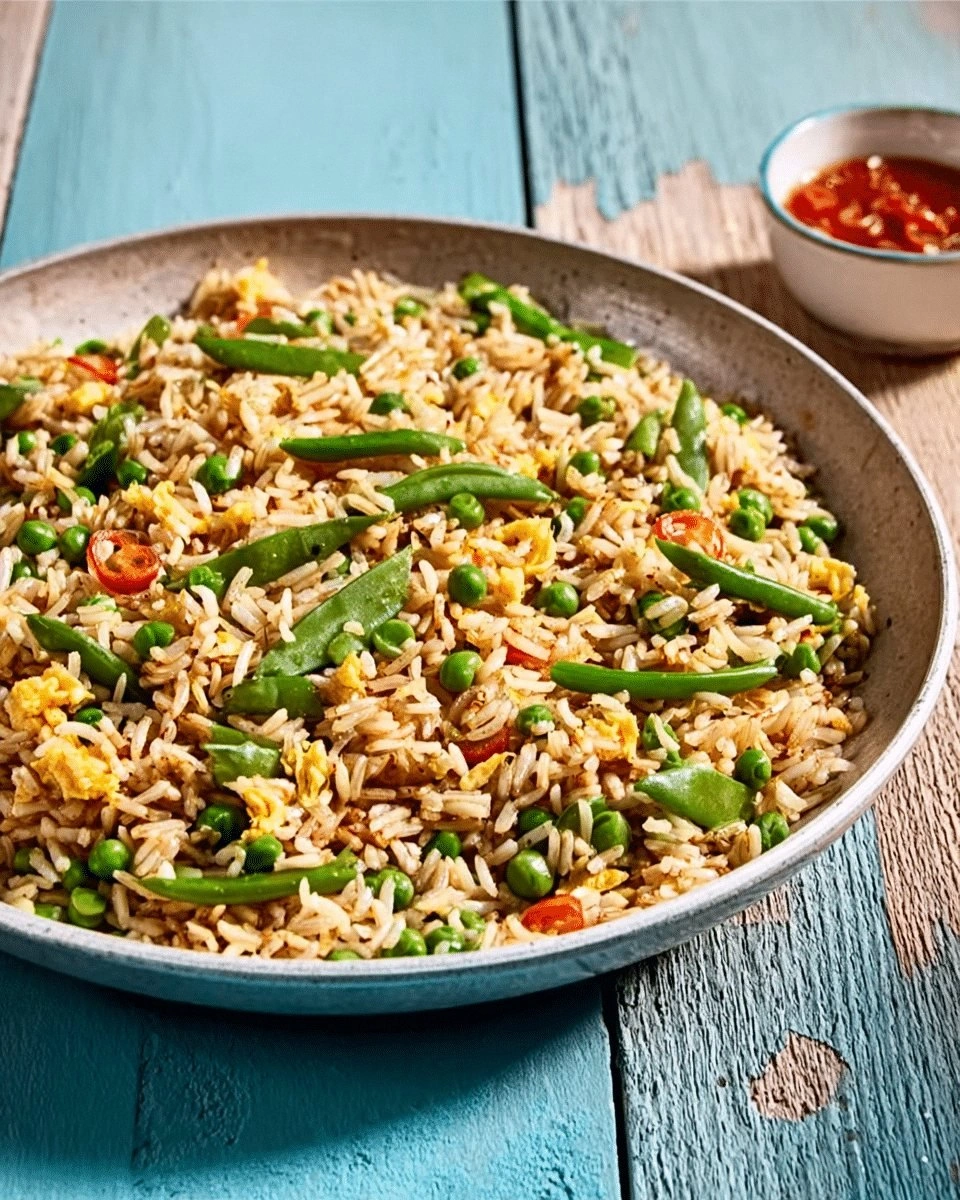
- Serve hot, garnished with toasted sesame seeds if desired. The final dish should have a fragrant aroma, a glossy sheen, and a satisfying mix of textures.
That's it — you did it. But hold on, I've got a few more tricks that'll take this to another level.
Insider Tricks for Flawless Results
The Temperature Rule Nobody Follows
Many cooks keep the heat high throughout the cooking process, which can cause the rice to stick or burn. The secret is to bring it to a boil, then immediately reduce to low and cover. This keeps the steam trapped and the rice cooking evenly. I once tried to keep the pot on medium, and the result was a mushy, clumpy mess.
Why Your Nose Knows Best
If you’re unsure whether the rice is done, trust your nose. A fragrant, warm aroma indicates the spices have infused properly, and the rice should feel slightly firm to the touch. If it still feels raw, give it a few more minutes.
The 5‑Minute Rest That Changes Everything
After simmering, let the pot rest for 5 minutes with the lid on. This allows the steam to finish cooking the rice and helps the grains separate. Skipping this step often results in sticky rice that clumps together.
The Perfect Garnish
A sprinkle of toasted sesame seeds adds a nutty crunch, while a squeeze of fresh lime brightens the dish. If you’re serving this with a protein, a drizzle of chili oil can elevate the heat without overpowering the five‑spice profile.
The Quick Fix for Over‑Salting
If you accidentally add too much soy sauce, dilute the dish with a splash of water or broth. Stir well and taste before serving; the flavors should be balanced, not salty.
The Secret to a Crispy Edge
For a slightly crispy edge, remove the lid for the last minute of cooking. This allows excess moisture to evaporate, giving the bottom a subtle crunch. Just keep an eye on it to avoid burning.
Creative Twists and Variations
This recipe is a playground. Here are some of my favorite ways to switch things up:
Coconut‑Infused Rice
Swap half the water for coconut milk and add a pinch of nutmeg. The result is a creamy, tropical version that pairs well with grilled fish or tofu.
Miso‑Marinated Chicken
Marinate chicken pieces in miso, soy sauce, and a touch of honey before adding them to the pot. The chicken absorbs the five‑spice flavors, creating a hearty one‑pot meal.
Vegetarian Delight
Add diced carrots, peas, and bell peppers during the simmer. These vegetables absorb the spices and add color, making it a complete vegetarian dinner.
Spicy Kimchi Rice
Fold in chopped kimchi and a splash of gochujang during the last 5 minutes of cooking. The fermented tang adds depth and a fiery kick.
Szechuan Peppercorn Crumble
Grind fresh Szechuan peppercorns into a fine crumble and sprinkle over the finished rice. The citrusy heat will linger on the palate.
Herb‑Infused Finale
Finish with a handful of fresh cilantro and a drizzle of lime juice. The herbaceous freshness cuts through the richness of the spices.
Storing and Bringing It Back to Life
Fridge Storage
Cool the rice to room temperature before storing in an airtight container. It will keep fresh for up to 3 days in the refrigerator. The texture remains fluffy if you reheat gently.
Freezer Friendly
Divide the rice into single‑serving portions and freeze in freezer bags. It can stay in the freezer for up to 2 months. Thaw overnight in the refrigerator before reheating.
Best Reheating Method
Add a tiny splash of water or broth to the rice before microwaving or steaming. The liquid steams the grains back to perfection, preventing dryness.