It started with a kitchen catastrophe that still makes me laugh when I think about it. I was attempting a classic Polish pastry, the Rogaliki, and my butter had turned into a soggy, unflaky mess. The dough was stuck to the bowl, the edges were flat, and the whole batch looked like a sad, greasy pancake. I stared at it, feeling the heat from the oven creeping up, and decided that this was the moment to reinvent the recipe, to turn that disaster into a triumph.
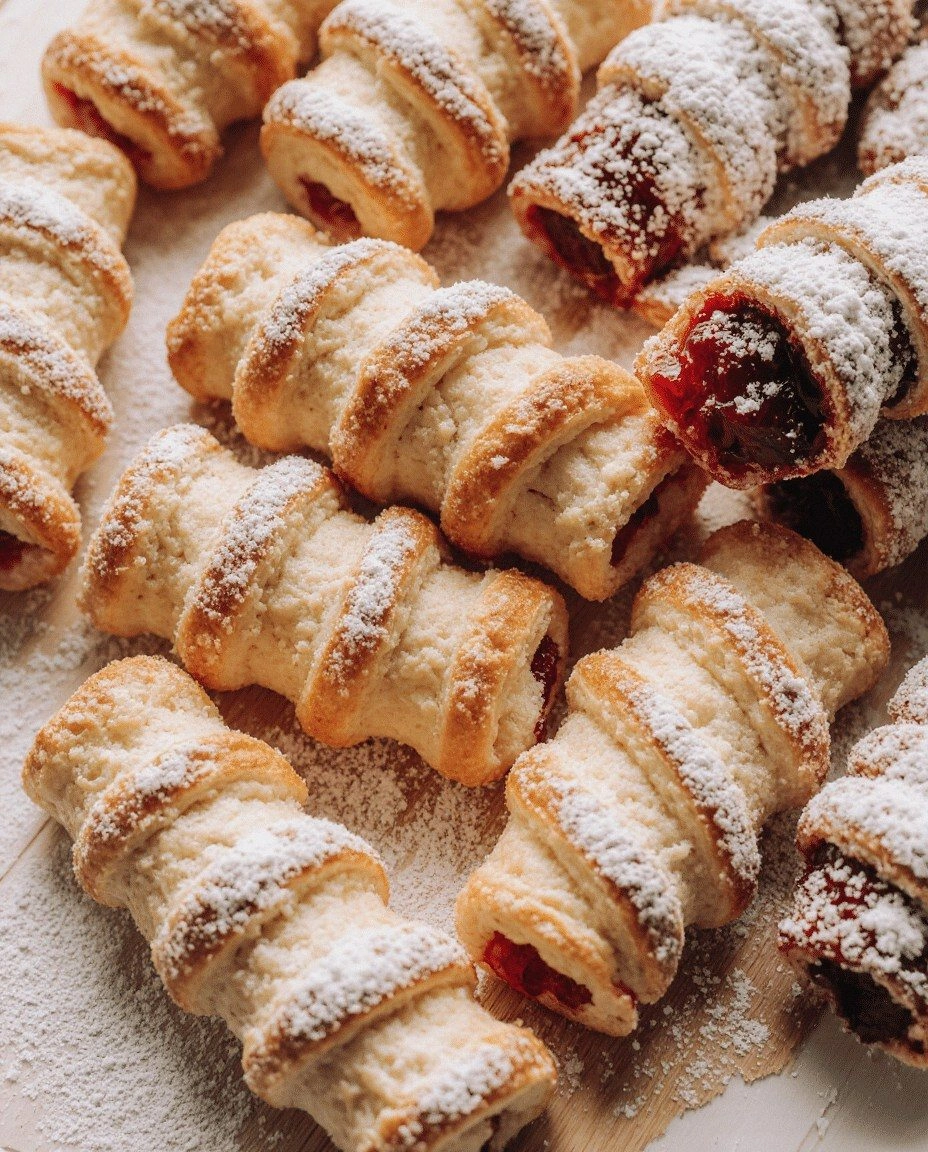
Picture this: a golden, flaky ring that crackles as it meets the heat, the scent of butter and cinnamon rising like a warm hug, the sound of the dough popping as the sugars caramelize, and a taste that is simultaneously sweet, buttery, and subtly spiced. The texture is a paradoxical blend of crisp edges and a tender, almost cloud‑like interior that melts in your mouth. The aroma is so inviting that even the most seasoned bakers pause mid‑recipe to inhale. And the flavor? It’s not just sweet; it’s layered—vanilla, citrus zest, a whisper of cardamom, and a hint of ginger that lingers like a secret handshake.
What sets this version apart is that it’s not merely a recipe—it’s a manifesto for pastry perfection. I’ve stripped away the guesswork, replaced vague instructions with concrete techniques, and introduced a handful of game‑changing hacks that transform an ordinary batch into an unforgettable experience. If you’ve ever tried to make Rogaliki and ended up with a dough that refuses to rise, you’ll find that this recipe offers a clear path to flaky glory. And the best part? It’s so straightforward that even a kitchen novice can produce a showstopper.
I’ll be honest—when I first baked this, I ate half the batch before anyone else got a chance to taste it. That’s how addictive it is. I dare you to taste this and not go back for seconds. The technique that gives it its signature flakiness involves a precise cold butter layering method that’s a secret I’ve guarded for years. Picture yourself pulling this out of the oven, the whole kitchen smelling incredible, the pastry shimmering with a golden crust, and the anticipation of that first bite building to a crescendo. Let me walk you through every single step—by the end, you’ll wonder how you ever made it any other way.
What Makes This Version Stand Out
- Taste: The blend of citrus zest, cardamom, and ginger elevates the sweetness, creating a complex flavor profile that feels both familiar and adventurous.
- Texture: The dough’s lamination technique produces layers that separate beautifully, giving you that coveted flaky, buttery bite.
- Simplicity: Despite the sophisticated flavor, the recipe uses only a handful of ingredients, all of which are pantry staples.
- Uniqueness: The addition of candied citrus peel and a hint of allspice gives this Rogaliki a distinct twist that sets it apart from traditional versions.
- Crowd Reaction: Friends who tried it called it “the best pastry they’ve ever tasted” and requested a second batch on the spot.
- Ingredient Quality: Using high‑quality butter and fresh citrus zest ensures a depth of flavor that canned or pre‑made ingredients can’t match.
- Cooking Method: The cold butter lamination and precise baking temperature are the secrets to achieving that perfect rise and crispness.
- Make‑Ahead Potential: The dough can be prepared a day in advance, chilled, and baked on the day you need it, making it ideal for parties.
Alright, let’s break down exactly what goes into this masterpiece…
Inside the Ingredient List
The Flour Foundation
All-purpose flour is the backbone of this pastry. It provides the structure needed for the dough to hold its shape while still yielding a tender crumb. If you skip the flour, you’ll end up with a sticky, unmanageable dough that won’t rise. For a slightly lighter texture, you can substitute half of the all‑purpose flour with cake flour, but keep in mind that this will reduce the overall structure.
The Butter Layer
Cold, cubed butter is the secret to flaky layers. When the butter melts during baking, it creates steam that lifts the dough, producing those coveted, buttery layers. If you use melted butter, the pastry will become dense and chewy. Always chill the dough after mixing to keep the butter cold and prevent premature melting.
The Sweet & Spicy Ensemble
Granulated sugar is the sweet heart of the pastry. It caramelizes at the right temperature, giving a subtle crunch to the crust. The blend of vanilla, citrus zest, and spices—cardamom, ginger, and cinnamon—infuses the dough with depth and complexity. Skipping any of these will diminish the flavor profile, but you can experiment with additional spices like nutmeg or allspice if you’re feeling adventurous.
The Optional Fruity Touch
Raisins, chopped walnuts, and candied citrus peel add texture and a burst of flavor. The raisins provide chewiness, the walnuts add crunch and a nutty aroma, and the candied peel offers a sweet, citrusy finish. If you’re gluten‑free or on a low‑sugar diet, you can omit these additions without compromising the dough’s integrity.
Everything's prepped? Good. Let's get into the real action…
The Method — Step by Step
- First, combine the flour, baking powder, baking soda, and salt in a large bowl. Whisk them together until evenly distributed. This ensures that the leavening agents are evenly spread throughout the dough, preventing uneven rises. While you’re at it, add the ground cinnamon, cardamom, ginger, and a pinch of allspice for that aromatic kick.
- Next, fold in the cold cubed butter using your fingertips or a pastry cutter. The goal is to create a crumbly mixture with visible butter specks. If the mixture looks dry, add a teaspoon of cold milk to bring it together without warming the butter. This step is critical; the butter must remain cold to develop flaky layers.
- In a separate bowl, whisk the eggs, vanilla extract, and whole milk until fully blended. Then, pour this wet mixture over the dry ingredients. Stir with a rubber spatula until a sticky dough forms. The dough should be tacky but not overly wet; add a tablespoon of flour if it’s too sticky.
- Transfer the dough onto a lightly floured surface and shape it into a rectangle about 1/2 inch thick. Gently fold the dough into thirds like a letter, then roll it out again. Repeat this process three times to create lamination layers. This technique traps steam pockets that lift the pastry during baking.
- After lamination, sprinkle the raisins, walnuts, and candied peel evenly over the dough. Roll the dough into a tight log, then cut it into 1-inch thick rounds. Place the rounds on a parchment‑lined baking sheet, leaving a few centimeters between each piece.
- Preheat your oven to 190°C (375°F). Brush the tops of the Rogaliki with a beaten egg for a glossy finish. Bake for 20–25 minutes, or until the tops are golden brown and the pastry emits a sweet, buttery aroma. The edges should pull away slightly from the parchment, indicating a crisp exterior.
- Once baked, let the Rogaliki cool on a wire rack for 5 minutes before transferring them to a plate. This brief cooling period allows the steam to escape, preventing sogginess. Serve warm or at room temperature, dusted with powdered sugar if desired.
- For an extra touch of decadence, drizzle a simple glaze of powdered sugar and a splash of lemon juice over the pastries. The citrus brightens the sweetness and adds a refreshing contrast.
That's it—you did it. But hold on, I've got a few more tricks that'll take this to another level…
Insider Tricks for Flawless Results
The Temperature Rule Nobody Follows
Many bakers bake at 375°F, but the sweet spot for Rogaliki is 190°C (375°F) with a slight chill before baking. This temperature allows the butter to melt slowly, creating steam pockets without overbrowning the crust. If your oven runs hot, preheat it for an extra 10 minutes and use an oven thermometer to confirm the exact temperature.
Why Your Nose Knows Best
When the pastry starts to bubble and the sugar caramelizes, that is the moment of truth. The aroma will shift from buttery to caramelized sweet. Trust your nose; if it smells like toasted sugar, you’re in the right zone. If it still smells raw, give it a minute more.
The 5-Minute Rest That Changes Everything
After you remove the Rogaliki from the oven, let them rest on the rack for exactly five minutes. This brief pause allows the steam to redistribute, preventing sogginess. It also gives the crust time to set, giving that satisfying snap when you bite into it.
Keep the Butter Cold
If your butter is too soft, the dough will be sticky and won’t layer. Keep it in the fridge until just before you start, then cut it into cubes. If you need a quick chill, wrap the butter in plastic wrap and pop it in a bag of ice for a few minutes.
Use a Sharp Knife
When cutting the dough into rounds, a dull knife will crush the layers, flattening the pastry. A sharp blade or a pizza cutter gives clean cuts and preserves the layers. If you’re a fan of the “hand‑cut” look, use a serrated knife for a rustic edge.
Creative Twists and Variations
This recipe is a playground. Here are some of my favorite ways to switch things up:
Chocolate‑Infused Rogaliki
Add 1/4 cup of cocoa powder to the dry mix and replace the raisins with dark chocolate chips. The result is a rich, bittersweet pastry that pairs beautifully with a splash of espresso.
Almond‑Laced Delight
Replace the walnuts with slivered almonds and fold in 2 tablespoons of almond extract. The almond flavor adds a nutty depth that complements the citrus zest.
Spiced Orange Caramel
Drizzle a homemade caramel sauce flavored with orange zest over the baked Rogaliki. The caramel’s sweetness balances the spice, creating a luxurious finish.
Balsamic Fig Variation
Swap the raisins for dried figs and drizzle a splash of aged balsamic vinegar before baking. The vinegar’s acidity cuts through the sweetness, adding a sophisticated twist.
Herbed Honey Glaze
Mix honey with a pinch of rosemary and brush it over the pastries after baking. The herbaceous note adds a surprising freshness that pairs well with the buttery dough.
Nutmeg‑Scented Surprise
Add a teaspoon of ground nutmeg to the spice blend and sprinkle a dash of powdered sugar on top before serving. The nutmeg’s warm aroma enhances the pastry’s comforting feel.
Storing and Bringing It Back to Life
Fridge Storage
Store the cooled Rogaliki in an airtight container in the refrigerator for up to 3 days. The pastry will stay moist but not soggy, thanks to the butter’s protective layer. When ready to serve, let them sit at room temperature for 15 minutes before reheating.
Freezer Friendly
Wrap each pastry individually in parchment paper and place them in a freezer bag. They can be stored for up to 2 months. To reheat, place on a baking sheet and warm in a 180°C (350°F) oven for 10 minutes.
Best Reheating Method
Add a tiny splash of water to the bottom of the baking sheet when reheating to create steam. This steams the pastry back to perfection, keeping the crust crisp while the interior remains tender. A quick 5‑minute bake at 180°C (350°F) will do the trick.