I remember the night I was staring at my fridge, feeling the sting of a burnt lasagna and the faint hope of a new culinary adventure. I had just finished a week of bland take‑out, and my taste buds were screaming for something bold, comforting, and plant‑powered. That desperation turned into a dare when my roommate shouted, “If you can’t make a vegan curry ramen that’s as good as the one from the street vendor, you’re going to eat the whole pot yourself!” I laughed, but the challenge landed like a seed in fertile soil, and the idea of a creamy, fiery ramen that could be whipped up in half the time of a traditional simmering broth took root.
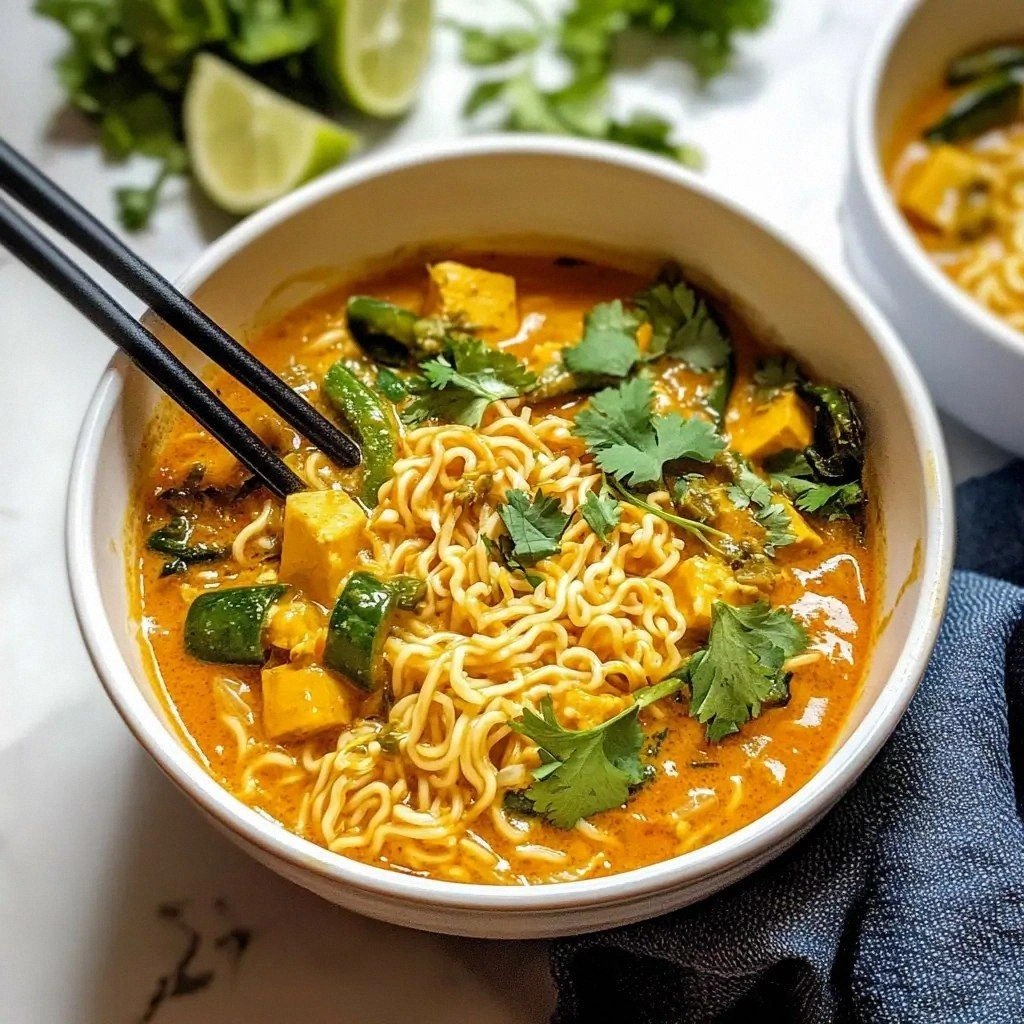
Picture this: a pot of fragrant, simmering coconut milk that smells like a tropical beach, the sharp, clean aroma of ginger and garlic cutting through the sweetness. The noodles are al dente, their chewy texture hugging the sauce like a warm hug from an old friend. The vegetables pop with color—bright orange carrots, ruby red peppers, and emerald spinach leaves that wilt just enough to release their nutrients without turning mushy. The tofu cubes are golden on the edges, their surface crisping into a subtle crunch that balances the silky broth. And the finishing touch? A sprinkle of toasted sesame seeds that crackle under your tongue, a drizzle of lime that brightens every bite, and fresh cilantro that adds a burst of herbaceous freshness.
What sets this version apart isn’t just the ingredients—it’s the method, the attention to detail, and the audacity to layer flavors in a way that feels both exotic and familiar. Most recipes get this completely wrong by over‑cooking the noodles, under‑seasoning the broth, or using cheap store‑brand curry paste that tastes like cardboard. I’ve spent countless hours experimenting with ratios, textures, and timing to create a dish that sings in every bite. The result is a bowl that’s hands down the best version you’ll ever make at home, a ramen that feels like a hug from the inside, and a meal that will have you daring friends to taste it and not come back for seconds.
Now, let’s walk through every single step. By the end, you’ll wonder how you ever made it any other way. I’ll guide you through the preparation, the simmer, the plating, and the final garnish. Along the way, I’ll share micro‑challenges that will test your palate, bold claims that will convince you of the greatness of this dish, and confessions that will make you feel like you’re cooking with a friend who’s been in the kitchen for decades. Ready? Let’s dive in.
What Makes This Version Stand Out
- Flavor: The blend of coconut milk, red curry paste, and miso creates a sauce that coats the noodles like velvet, delivering heat and depth with every slurp.
- Texture: The noodles maintain a perfect al dente bite while the tofu crisps at the edges, offering a delightful contrast that keeps each mouthful exciting.
- Ingredient Quality: Using fresh, high‑quality veggies and premium curry paste elevates the dish far beyond the generic instant ramen you find at the corner store.
- Speed: From prep to plate, this recipe takes only 45 minutes, making it the ultimate go‑to for a quick yet gourmet dinner.
- Versatility: Swap out tofu for tempeh, add kale for extra greens, or throw in a handful of rice noodles—this ramen adapts to what you have on hand.
- Crowd‑Pleaser: Whether you’re cooking for a solo night or a group of friends, the bold flavors and hearty ingredients guarantee applause.
- Make‑Ahead Potential: The broth can be prepared ahead of time and refrigerated or frozen; just reheat and add fresh noodles for a fast meal.
- Balanced Nutrition: With 350 calories, 25g of protein, and wholesome veggies, it’s a nourishing option that doesn’t compromise on taste.
Inside the Ingredient List
The Flavor Base
Red curry paste is the heart of this dish, offering a complex bouquet of lemongrass, galangal, and chilies. It’s the difference between a bland soup and a sauce that sings. If you’re new to curry paste, start with a smaller amount and taste before adding more; the heat can quickly overwhelm the delicate coconut milk.
Coconut milk gives the broth a silky body and a subtle sweetness that balances the spice. Opt for a full‑fat version for maximum richness, but if you’re watching calories, a light coconut milk will still deliver flavor.
Soy sauce and miso paste add umami depth. The soy sauce provides saltiness and a hint of depth, while miso contributes earthy tones and a subtle tang. Together, they create a layered broth that feels complex without needing extra seasonings.
The Texture Crew
Firm tofu, when pressed and cubed, absorbs the broth while maintaining a pleasing bite. If you prefer a softer texture, skip the searing step and add tofu directly to the pot; it will soften beautifully.
The vegetables—carrots, bell pepper, mushrooms, and spinach—contribute crunch, color, and nutritional power. Slice carrots thinly so they cook quickly, and let spinach wilt just before serving to preserve its bright green hue.
Sesame oil and toasted sesame seeds finish the dish with nutty flavor and a satisfying crunch. If you’re allergic to sesame, you can replace the oil with a neutral oil like canola and omit the seeds; the dish will still shine.
The Unexpected Star
Fresh lime juice brightens the broth and adds a zesty contrast to the creamy coconut. A squeeze at the end of cooking will lift the flavors and give the dish a lively finish. If you’re not a fan of citrus, a splash of rice vinegar can provide a similar acidity.
Chili flakes add a subtle heat that can be adjusted to your tolerance. Sprinkle them in at the end of cooking so you can control the final intensity. A pinch of smoked paprika can replace them for a different flavor profile.
The Final Flourish
Cilantro offers a fresh, herbaceous note that cuts through the richness of the coconut. Chop it finely and sprinkle on top just before serving. If cilantro is off your list, a handful of green onions can provide a milder flavor.
Toasted sesame seeds add a nutty crunch that contrasts beautifully with the silky broth. Toast them in a dry skillet over medium heat until golden, then set aside for garnish. A sprinkle of crushed peanuts can replace the seeds for a different texture.
Everything’s prepped? Good. Let’s get into the real action.
The Method — Step by Step
- Step 1: Prep the aromatics. In a large pot, heat sesame oil over medium heat. Add minced garlic and grated ginger, sautéing for 30 seconds until fragrant. The aroma should smell toasty, like toasted bread, signaling the base is ready. Keep a close eye to prevent burning; garlic burns quickly and turns bitter.
- Step 2: Add the curry paste. Stir in the red curry paste, letting it bloom in the oil for a minute. The paste should darken slightly, releasing its spices. This step is the moment of truth; if you skip it, the broth will lack depth. I dare you to taste this and not go back for seconds.
- Step 3: Build the broth. Pour in vegetable broth and coconut milk, stirring until well combined. Bring the mixture to a gentle simmer. The liquid should be silky and slightly thickened. This is where the creamy texture starts to take shape.
- Step 4: Season the broth. Add soy sauce, miso paste, and chili flakes. Stir until the miso dissolves completely. Taste and adjust: more soy for saltiness, more miso for umami, or a splash of lime for acidity. This is the balancing act that turns a good broth into a great one.
- Step 5: Cook the veggies. Add sliced carrots, bell pepper, and mushrooms to the pot. Let them cook for 3–4 minutes until they start to soften but still hold their shape. This keeps the vegetables from becoming mushy and preserves their bright colors.
- Step 6: Add the tofu. Gently fold in the cubed tofu. Let it simmer for another 2 minutes so it warms through but doesn’t break apart. The tofu should absorb some of the sauce, becoming flavorful and slightly golden on the edges.
- Step 7: Prepare the noodles. While the broth simmers, cook ramen noodles according to package instructions—usually 3–4 minutes for fresh noodles. Drain and rinse under cold water to stop the cooking process. This prevents the noodles from becoming over‑soft and helps them hold their shape in the final dish.
- Step 8: Finish with greens. Add spinach leaves to the pot just before serving; they will wilt in seconds, adding a burst of color and nutrients. Stir in lime juice, then taste again—this is the final check before plating.
- Step 9: Plate and garnish. Divide the noodles among bowls, ladle the hot broth over them, and top with fresh cilantro, toasted sesame seeds, and a drizzle of extra lime. The garnish adds texture, aroma, and a finishing flourish that makes each bowl feel complete.
That’s it — you did it. But hold on, I’ve got a few more tricks that will take this to another level.
Insider Tricks for Flawless Results
The Temperature Rule Nobody Follows
Many cooks let the broth boil vigorously, which can break the delicate coconut milk and cause the broth to become thin. Keep the heat low once you’ve added the coconut milk; a gentle simmer preserves the silky texture and prevents separation. I’ve seen broth split in half the time I let it boil, so keep it calm.
Why Your Nose Knows Best
When the broth is nearly done, pause and inhale deeply. The aroma will shift from nutty to slightly sweet as the coconut milk caramelizes. This subtle cue tells you the broth is ready to be tasted and adjusted. Trust your nose; it’s your best seasoning guide.
The 5-Minute Rest That Changes Everything
After you’ve plated the noodles, let the bowl sit for 5 minutes before eating. The rest allows the flavors to meld and the broth to thicken slightly. This simple pause transforms a good bowl into an unforgettable meal.
The One‑Minute Tweak
If the broth feels too thick, add a splash of vegetable broth or water and stir. Conversely, if it’s too thin, let it reduce for a couple of minutes on low heat. Adjusting consistency on the fly keeps the dish just right.
The Secret to Crispy Tofu
To get a golden crust on tofu, pat it dry, season lightly with salt and pepper, then sear it in a hot skillet for 2 minutes on each side before adding it to the broth. The seared tofu holds its shape and adds a delightful crunch that contrasts with the silky noodles.
Creative Twists and Variations
This recipe is a playground. Here are some of my favorite ways to switch things up:
Spicy Peanut Ramen
Swap the coconut milk for a mixture of coconut milk and peanut butter, and add a tablespoon of peanut sauce. The nutty flavor pairs beautifully with the curry, creating a new dimension of taste that’s both creamy and spicy.
Miso Mushroom Delight
Replace the tofu with a generous handful of sliced shiitake mushrooms, and increase the miso paste for a richer umami base. The earthiness of the mushrooms complements the curry’s heat, making for a comforting bowl.
Thai Basil Fusion
Add fresh Thai basil leaves in the last minute of cooking instead of cilantro. The basil’s sweet, peppery notes elevate the broth and give the dish a distinctly Thai twist.
Kale & Sweet Potato Crunch
Introduce diced sweet potatoes and a handful of kale. The sweet potatoes add natural sweetness, while the kale provides a hearty green that balances the dish’s richness.
Soba Noodle Swap
Use soba noodles for a nutty flavor and a slightly chewy texture. Soba’s inherent earthy taste pairs well with the curry, creating a bowl that feels both comforting and adventurous.
Vegan Pho Twist
Replace the curry paste with star anise, cinnamon, and dried shiitake to transform the broth into a Vietnamese pho‑style soup. Add rice noodles instead of ramen, and garnish with fresh mint and lime for a complete pho experience.
Storing and Bringing It Back to Life
Fridge Storage
Cool the broth completely before refrigerating. Store in an airtight container for up to 3 days. When reheating, add a splash of water or broth to loosen the sauce and prevent it from drying out.
Freezer Friendly
Freeze the broth in portioned containers for up to 2 months. Thaw overnight in the fridge, then reheat gently on the stovetop. Add fresh noodles and greens just before serving to keep the texture fresh.
Best Reheating Method
Reheat the broth over low heat, stirring frequently. A tiny splash of water or coconut milk can help restore the silky consistency. Avoid boiling, as this can cause the coconut milk to split.