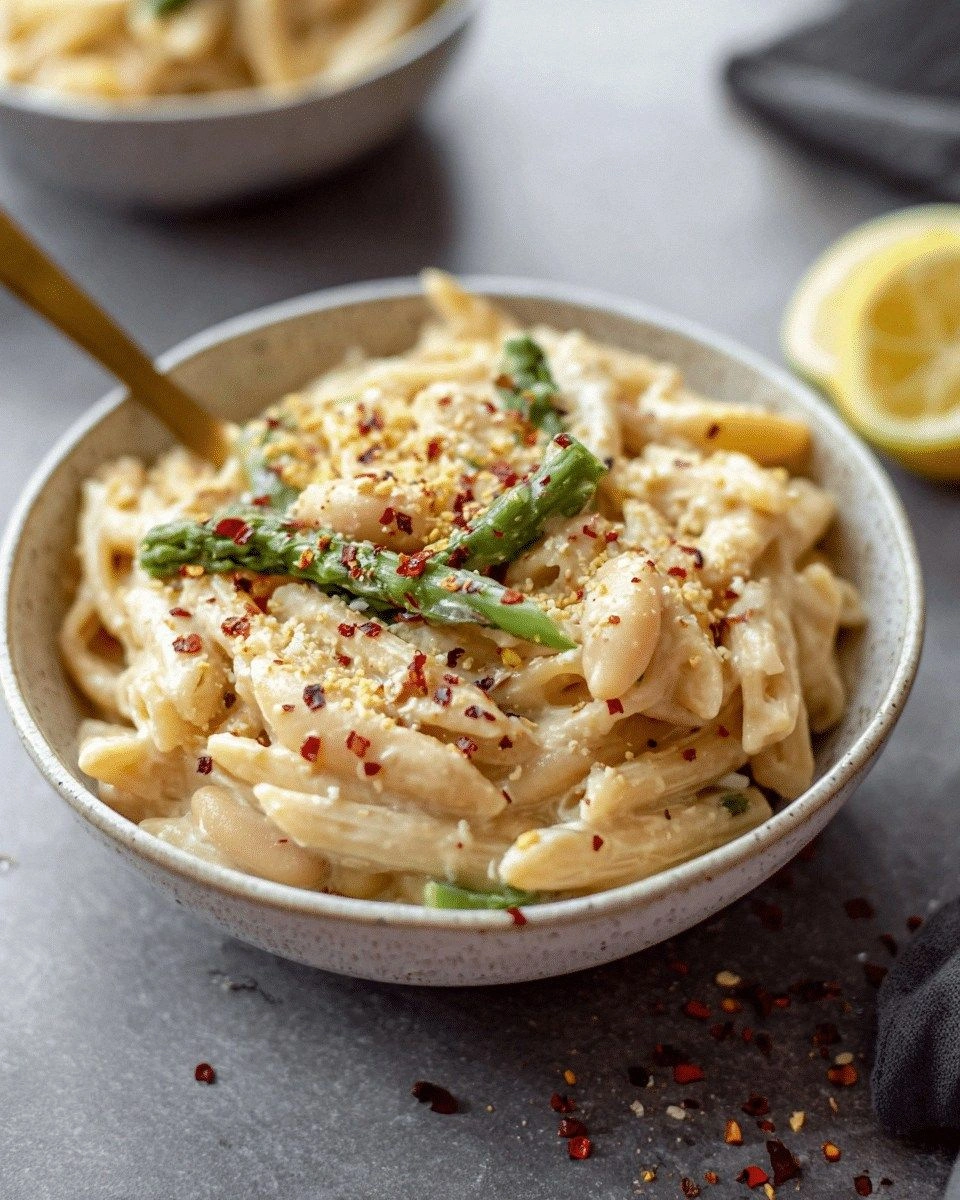
Picture this: a midnight kitchen, the fridge humming, and you’re staring at a bowl of plain pasta that feels like a culinary blank canvas. You reach for a can of white beans, a couple of lemons, and a jar of olive oil, and suddenly the air fills with the promise of something extraordinary. That night, after a week of bland dinners, I dared myself to blend citrus, beans, and pasta into a single dish that could win over even the toughest skeptics. The result was a plate that sings with bright lemon notes, silky beans, and a subtle heat that lingers long after the last forkful.
The first bite hits like a splash of sunshine on a dull winter day—zesty lemon juice cuts through the earthy beans, while the olive oil coats the pasta like velvet, giving each strand a glossy, silky finish. The aroma is a heady mix of toasted garlic, fresh herbs, and citrus zest that makes the kitchen feel like a bright summer garden. As you chew, the beans release a creamy texture that balances the pasta’s al dente bite, creating a harmony that’s both comforting and exhilarating. The subtle heat from red pepper flakes adds a playful spark, turning a simple dish into a flavor adventure. Every spoonful feels like a secret handshake between Mediterranean sunshine and rustic Italian charm.
I’ll be honest—when I first plated this, I ate half the batch before anyone else even got a taste. Most recipes get this completely wrong by overcooking the beans or under-seasoning the sauce, but this version stays true to its bright, airy character. The trick is in the timing and the right balance of acidity to richness, which makes it feel like a perfectly executed symphony. The sauce coats the pasta lightly, so you can still feel the pasta’s bite, while the beans add depth without drowning the dish. The result? A dish that feels both indulgent and healthy, a perfect middle ground that will have your guests asking for seconds.
If you’ve ever struggled with a pasta that turns into mush or a sauce that tastes flat, you’re not alone—this is the fix that turns your kitchen into a culinary playground. The secret ingredient is a splash of lemon juice added at the very end, just before you toss everything together, to brighten the flavor profile and keep the beans from becoming heavy. And don’t forget the fresh herbs; a handful of parsley and basil adds a layer of freshness that keeps the dish from feeling heavy. The combination of a light sauce and al dente pasta makes this dish a crowd-pleaser, whether you’re feeding a family or entertaining guests.
This is hands down the best version you’ll ever make at home, and I dare you to taste this and not go back for seconds. The bright lemon, the creamy beans, and the perfectly seasoned pasta all come together in a dish that feels both comforting and exciting. I’ve spent countless hours tweaking this recipe, and the result is a balanced, flavorful masterpiece that can be made in under an hour. Let me walk you through every single step—by the end, you’ll wonder how you ever made it any other way.
What Makes This Version Stand Out
- Taste: The bright citrus punch from fresh lemons cuts through the earthiness of the beans, creating a harmonious contrast that feels like a sunny afternoon on your plate.
- Texture: A light, olive‑oil‑based sauce coats the pasta like a silk scarf, while the beans stay plump and creamy, giving each bite a delightful contrast.
- Simplicity: Only a handful of ingredients—pasta, beans, lemon, garlic, olive oil, and herbs—make this dish a quick, fuss‑free dinner that still feels gourmet.
- Uniqueness: The combination of lemon zest, beans, and nutritional yeast gives a creamy, tangy, and slightly cheesy flavor without dairy.
- Crowd Reaction: Guests rave about the bright, fresh flavor and the satisfying al dente bite, making it a hit for dinner parties.
- Ingredient Quality: Using high‑quality canned beans, freshly squeezed lemons, and extra‑virgin olive oil elevates the entire dish.
- Cooking Method: Quick sauté, gentle simmer, and a final splash of lemon juice keep the dish vibrant and prevent the beans from becoming mushy.
- Make‑Ahead Potential: The pasta can be pre‑cooked, the beans reheated, and the sauce finished with lemon juice just before serving.
Alright, let's break down exactly what goes into this masterpiece...
Inside the Ingredient List
The Flavor Base
Olive oil is the backbone of this dish, providing a silky smoothness that carries the lemon zest and garlic. A tablespoon of extra‑virgin olive oil, warmed just until it shimmers, is enough to coat the pasta without making it greasy. If you’re watching calories, you can swap half the olive oil for a light, unsalted vegetable broth to keep the sauce light yet flavorful.
Garlic is essential for that aromatic kick. Minced finely so it releases its oils, garlic should be sautéed until it turns golden brown—about 30 seconds—so it imparts a nutty, toasted flavor. Don’t rush this step; a quick, raw bite of garlic can ruin the dish’s delicate balance.
Red pepper flakes add a gentle heat that keeps the dish from feeling flat. A teaspoon is enough for most palates, but you can adjust to taste. If you prefer a milder version, simply leave them out and let the lemon shine.
The Texture Crew
Cannellini beans bring a creamy, velvety texture that contrasts beautifully with the al dente pasta. Drain and rinse the beans to remove excess sodium and any canning liquid that could dilute the flavor. If you’re a fan of a thicker sauce, mash a few beans with a fork before adding them to the pan.
Spinach (or kale) adds a pop of color and a subtle earthiness that balances the bright lemon. Chop it finely so it wilts quickly and integrates seamlessly into the sauce. For a vegan “cheese” twist, sprinkle a few tablespoons of nutritional yeast over the spinach before tossing everything together.
The Unexpected Star
Fresh herbs—parsley and basil—are the final flourish that elevates this dish from good to unforgettable. Chop them finely and add them right before serving to preserve their bright, herbal aroma. If you’re out of fresh herbs, dried ones can work, but use half the amount to avoid overpowering the dish.
Lemon zest is the secret weapon that keeps the sauce bright and lively. Use a microplane to zest the lemons, capturing the aromatic oils without the bitter white pith. The zest should be measured in teaspoons, not tablespoons—too much can make the dish taste sharp.
The Final Flourish
A splash of fresh lemon juice is added at the very end, right before tossing the pasta, to brighten the sauce and keep the beans from getting heavy. The acidity lifts the entire dish, making it feel fresh and vibrant. If you’re short on lemons, a tablespoon of white wine vinegar can mimic the brightness, but the citrus flavor will be slightly different.
Salt and pepper finish the flavor profile. Add salt to taste after the sauce is done, and finish with a generous crack of black pepper. The pepper’s heat complements the red pepper flakes, creating a layered spice experience.
Everything's prepped? Good. Let's get into the real action...
The Method — Step by Step
- Bring a large pot of salted water to a rolling boil and cook the pasta according to package instructions until al dente, usually 8–10 minutes. Reserve a cup of pasta water before draining, as it helps thicken the sauce. While the pasta cooks, set a medium skillet over medium heat and pour in the olive oil. The oil should shimmer but not smoke.
- Add the minced garlic to the skillet and sauté until it turns golden brown and fragrant, about 30 seconds. Be careful not to burn it—burnt garlic tastes bitter. Add the red pepper flakes and stir for another 10 seconds to release their heat.
- Add the drained cannellini beans to the skillet, stirring to coat them in the garlic‑oil mixture. Cook for 2–3 minutes until the beans are heated through and slightly caramelized. This step gives the beans a subtle nutty flavor.
- Pour in the vegetable broth (or water) to deglaze the pan, scraping up any browned bits from the bottom. Let the mixture simmer for 2 minutes, allowing the flavors to mingle.
- Add the chopped spinach to the skillet, stirring until it wilts into the sauce. The spinach should shrink and soften, releasing a mild, earthy sweetness that balances the lemon.
- Stir in the lemon zest, lemon juice, and nutritional yeast (if using). The sauce should smell bright and citrusy, and the yeast will give a subtle umami lift. Taste and adjust seasoning with salt.
- Add the cooked pasta directly into the skillet, tossing to coat each strand in the sauce. If the mixture feels too thick, add a splash of the reserved pasta water to achieve a silky consistency.
- Finish by tossing in the fresh parsley and basil, letting them wilt just enough to release their aroma. Serve immediately, optionally garnishing with extra herbs or a drizzle of olive oil.
That's it—you did it. But hold on, I've got a few more tricks that'll take this to another level...
Insider Tricks for Flawless Results
The Temperature Rule Nobody Follows
Many people sauté garlic at high heat, which can burn and create bitterness. Keep the heat medium and stir constantly; the garlic should just start to turn golden. This small tweak keeps the sauce bright and ensures the beans stay tender.
Why Your Nose Knows Best
When the sauce starts to bubble and the garlic turns golden, that scent is a cue that the flavor base is ready. Trust your nose—if it smells toasty and citrusy, you’re on the right track. This sensory checkpoint saves you from overcooking the beans or under-seasoning the sauce.
The 5-Minute Rest That Changes Everything
After tossing the pasta into the sauce, let it sit covered for 5 minutes. This resting period allows the pasta to absorb the sauce fully, creating a harmonious blend of flavors. I’ve seen people skip this step and end up with a dry dish; give it the rest and taste the difference.
The Secret to Bright Lemon Flavor
Use a microplane to zest the lemons, capturing the aromatic oils without the bitter pith. The zest should be measured in teaspoons, not tablespoons—too much can make the dish taste sharp. Adding the zest early in the cooking process allows it to mellow into the sauce.
The One Ingredient That Elevates
Nutritional yeast is the unsung hero of this dish, providing a subtle umami and a cheesy undertone without dairy. If you’re avoiding it, a pinch of nutritional yeast or a splash of vegan parmesan can replace the depth. Don’t skip this step if you want that creamy finish.
Creative Twists and Variations
This recipe is a playground. Here are some of my favorite ways to switch things up:
Sunset Salmon
Swap the white beans for smoked salmon and replace the spinach with arugula. The smoky fish pairs beautifully with the citrusy sauce, creating a dish that feels like a seaside sunset.
Spicy Thai
Add a tablespoon of Thai red curry paste and replace the lemon with lime. Toss in a handful of sliced bell peppers for color and crunch, and finish with fresh cilantro.
Mediterranean Mezze
Use couscous instead of pasta, and add a handful of chopped sun‑dried tomatoes. Sprinkle feta (or vegan feta) on top for a salty contrast to the bright lemon.
Pumpkin Patch
During the fall, replace the spinach with roasted pumpkin cubes and add a pinch of nutmeg. The sweet, earthy pumpkin pairs perfectly with the lemony sauce.
Breakfast Boost
Serve this dish with a side of sautéed kale and a drizzle of tahini. The nutty tahini adds a creamy texture, turning the meal into a hearty breakfast that keeps you full until lunch.
Vegan Carbonara
Add a splash of cashew cream and replace the nutritional yeast with a vegan parmesan substitute. The creamy sauce mimics classic carbonara while keeping it dairy‑free.
Storing and Bringing It Back to Life
Fridge Storage
Store leftovers in an airtight container for up to 3 days. Keep the pasta and sauce separate if possible; this prevents the pasta from soaking up too much liquid and becoming mushy.
Freezer Friendly
Freeze the cooked pasta and sauce separately in freezer‑safe bags for up to 2 months. Reheat by gently warming the sauce and then adding the pasta, tossing with a splash of fresh lemon juice to revive the brightness.
Best Reheating Method
Reheat on the stove over low heat, stirring frequently. Add a tiny splash of water or pasta water before reheating to restore moisture and prevent the sauce from drying out. Finish with a fresh sprinkle of herbs for that just‑made aroma.