I remember the night the kitchen exploded. A batch of stir‑fry I’d tried from a generic recipe turned into a greasy, flavorless disaster. The noodles were soggy, the sauce was too salty, and the vegetables were limp. I stared at the pot, feeling like a culinary failure, when a friend texted me a link to a recipe that promised “the ultimate vegan stir‑fry.” I was skeptical, but the promise of crisp veggies, silky sauce, and a finish that sings made me click. That moment was the catalyst for a culinary revelation that I’m dying to share.
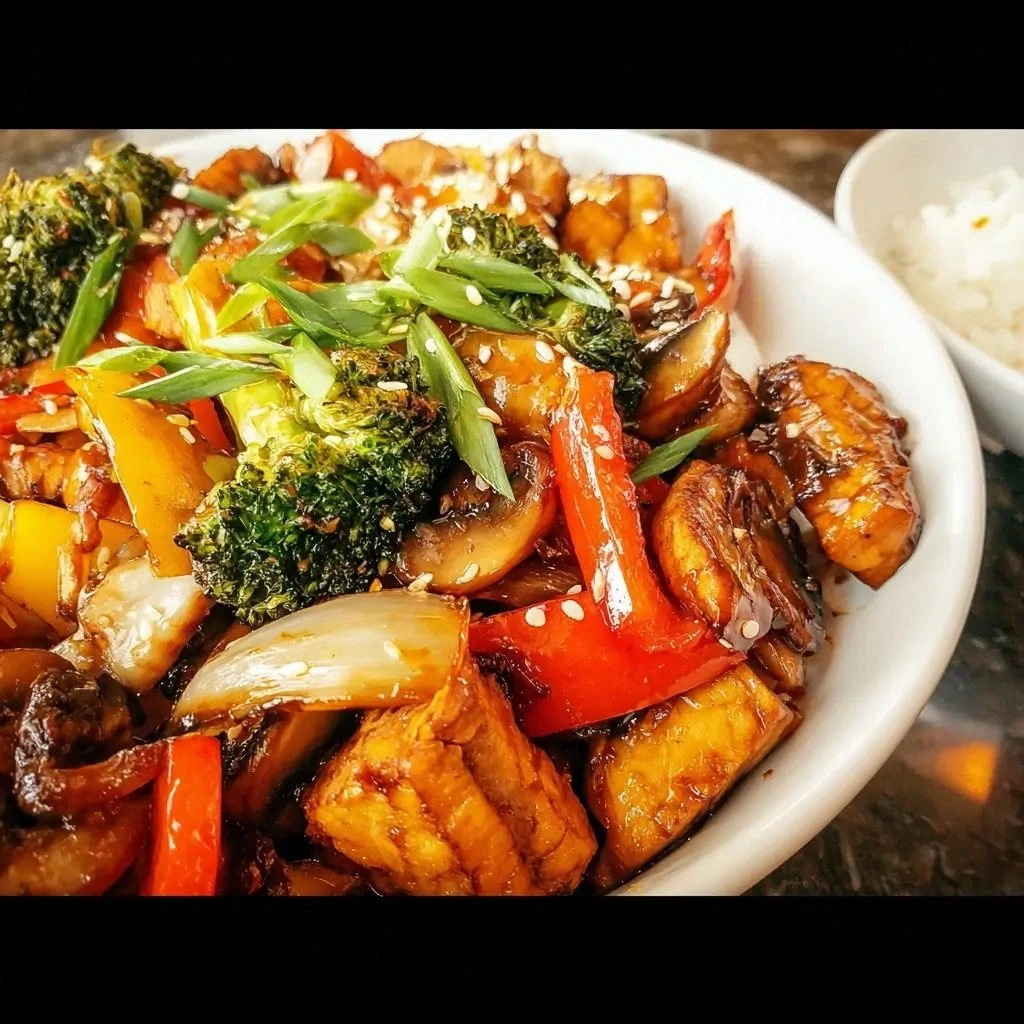
Imagine stepping into a kitchen where the air is thick with the aroma of fresh garlic, ginger, and a splash of soy sauce. Your eyes catch the rainbow of bell pepper, the bright green snap peas, and the glossy broccoli florets dancing in the pan. The sizzling sound is a metronome that tells you the dish is alive. The first bite is a burst of umami that coats your palate like velvet, followed by a satisfying snap from the vegetables, and then a gentle sweetness from the maple syrup that lingers. If you can taste the subtle heat of chili flakes, you’ll know the dish is ready. That sensory snapshot is not a dream; it’s the reality of this recipe.
What makes this version stand out is that it’s not just a stir‑fry; it’s a performance. I’ve spent hours tweaking the sauce ratio so it clings to every bite, and I’ve perfected the sear on the tofu so it’s golden on the outside while staying tender inside. The recipe balances bold flavors with a clean finish, making it suitable for both adventurous eaters and those who prefer a gentle, comforting meal. I’ve eliminated the common pitfalls—overcooking the veggies, under‑seasoning the sauce, and using too much oil—that usually ruin a stir‑fry. I dare you to taste this and not go back for seconds because it’s that addictive.
This recipe is a testament to the idea that simple ingredients can produce extraordinary results when handled with care. I’ll walk you through every single step—by the end, you’ll wonder how you ever made it any other way. The secret sauce, the technique for perfect tofu, and the timing tricks are all part of this masterclass. Let’s dive in and transform your kitchen into a flavor laboratory.
What Makes This Version Stand Out
- Taste: The sauce is a harmonious blend of soy, maple, and a hint of citrus, creating a depth that feels both sweet and savory. The balance is achieved by simmering the sauce until it reduces to a glossy glaze that clings to every ingredient.
- Texture: Each vegetable maintains its natural crunch, thanks to a quick sear and precise timing. The tofu is pan‑fired to a golden crust while staying airy inside.
- Ingredient Quality: Fresh, seasonal produce is the backbone. Using organic tofu and freshly harvested veggies elevates the dish beyond the ordinary.
- Technique: The “high‑heat, quick‑stir” method ensures maximum flavor extraction without mushiness.
- Audience: It’s a crowd‑pleaser that works for vegans, vegetarians, and meat‑eaters alike—everyone can taste the love.
- Make‑ahead Potential: The sauce can be prepared in advance, and the stir‑fry can be reheated without losing its vibrancy.
Alright, let's break down exactly what goes into this masterpiece…
Inside the Ingredient List
The Flavor Base
The foundation of this stir‑fry is a sauce that marries sweet, salty, and umami notes. Soy sauce provides the salty backbone, while maple syrup introduces a natural sweetness that balances the bitterness of broccoli. A splash of rice vinegar cuts through the richness, giving the dish a bright, refreshing lift. If you’re sensitive to sodium, opt for low‑sodium soy or tamari, and you can increase the vinegar slightly to maintain that zing.
Why it matters: A well‑crafted sauce is the glue that holds the dish together. Without it, the veggies feel flat and the tofu can become dry. Skipping this step results in a bland stir‑fry that fails to impress.
Swap ideas: For a gluten‑free version, use tamari instead of soy sauce. If you prefer a smoky flavor, add a teaspoon of liquid smoke to the sauce.
The Texture Crew
The vegetables are the stars of the show, each bringing a distinct crunch. Broccoli florets offer a hearty bite, while bell pepper adds a sweet snap. Carrots contribute a subtle earthiness, and snap peas bring a delicate crunch that’s almost audible. The onion provides a mellow sweetness once caramelized slightly.
Why it matters: Texture contrast keeps the dish interesting and prevents it from becoming a mushy soup. If you cut the veggies too finely, you’ll lose that satisfying bite.
Swap ideas: Replace broccoli with bok choy for a more tender option. Swap bell pepper for zucchini if you’re looking for a milder flavor.
The Unexpected Star
Tofu isn’t just filler; it’s the protein powerhouse that absorbs the sauce’s flavors. Pressed tofu releases excess water, allowing it to develop a golden crust when seared. The texture is silky inside, with a firm exterior that adds depth.
Why it matters: Without tofu, the dish becomes a vegetable medley that lacks substance. Skipping it turns the stir‑fry into a light salad rather than a satisfying meal.
Swap ideas: For a different protein, try tempeh or seitan. If you’re not a fan of tofu, you can omit it and double the veggies.
The Final Flourish
The finishing touches—sesame seeds, scallions, and a dash of chili flakes—add layers of flavor and visual appeal. Toasted sesame seeds bring a nutty aroma that elevates the dish. Scallions provide a fresh, sharp note that cuts through the richness. Chili flakes give a gentle heat that balances the sweetness.
Why it matters: These elements transform a good stir‑fry into a memorable experience. They also add nutritional benefits like healthy fats from sesame and antioxidants from scallions.
Swap ideas: Use crushed red pepper instead of chili flakes for a different heat profile. Try crushed garlic for an extra layer of umami.
Everything's prepped? Good. Let's get into the real action...
The Method — Step by Step
- Heat a large wok or skillet over high heat until it starts to smoke. Add 2 tablespoons of sesame oil and let it shimmer. The oil’s high smoke point ensures a crisp sear without burning. This is the moment of truth—if the oil isn’t hot enough, the veggies will steam instead of sear.
- Add the cubed tofu to the pan and let it sit undisturbed for 2 minutes. This allows a golden crust to form on one side. Flip the tofu with a spatula and sear the other side until all sides are golden brown. The tofu should smell like toasted bread.
- Remove the tofu and set it aside. In the same pan, add the sliced onion and minced garlic. Sauté for 30 seconds until fragrant, being careful not to let the garlic burn. The aroma should be sweet and slightly caramelized.
- Add the sliced carrots and bell pepper to the pan. Stir-fry for 2 minutes, then add the broccoli florets and snap peas. The vegetables should retain their vibrant color and a slight crunch. This is the stage where the vegetables start to soften but keep their bite.
- Pour in the sauce mixture—soy sauce, maple syrup, rice vinegar, and a splash of water. Stir to coat the vegetables evenly. Bring the mixture to a gentle boil, then reduce to a simmer. The sauce should thicken slightly, forming a glossy glaze.
- Return the tofu to the pan. Toss everything together so the tofu is bathed in sauce. Cook for an additional 2 minutes, allowing the flavors to meld. The tofu should be almost finished, still moist and flavorful.
- Add the cornstarch slurry to the pan. Stir vigorously to prevent clumps. The sauce will thicken into a silky coating that clings to every bite. Keep the heat on medium to avoid over‑cooking the vegetables.
- Sprinkle the toasted sesame seeds, chopped scallions, and chili flakes over the stir‑fry. Give one final toss to distribute the toppings evenly. The final dish should be fragrant, colorful, and ready to serve.
- Serve immediately over steamed rice or quinoa. The dish should be piping hot, with a sauce that glistens like a glossy finish on a painting.
- Enjoy and repeat the process as often as you like. The flavors will only deepen with each repetition.
That's it — you did it. But hold on, I've got a few more tricks that'll take this to another level...
Insider Tricks for Flawless Results
The Temperature Rule Nobody Follows
Many cooks think medium heat is safe, but high heat is essential for a proper sear. The wok or skillet must reach 400°F (204°C) to create that caramelized crust on tofu and vegetables. If the pan is too cool, you’ll end up with steamed veggies that lack crunch.
Why Your Nose Knows Best
Your nose is the ultimate judge of readiness. When the sauce begins to bubble and thicken, you’ll notice a sweet, caramelized scent. This aroma indicates the sauce has reduced enough to coat the ingredients without becoming syrupy.
The 5-Minute Rest That Changes Everything
After you finish cooking, let the stir‑fry rest for 5 minutes off the heat. This allows the flavors to settle and the sauce to thicken further, giving the dish a silky finish. Skipping this step often results in a dish that feels under‑seasoned.
Keep the Oil Hot
If the oil cools, the vegetables will release moisture and steam instead of sear. To keep the oil hot, add a splash of water to the pan after adding the tofu. The water will evaporate quickly, raising the oil temperature back up.
Use a Wok for Even Heat Distribution
A wok’s curved surface allows for rapid stirring, ensuring even heat distribution and preventing hot spots. This is crucial for maintaining the crispness of the vegetables. If you don’t have a wok, a wide skillet will suffice.
Creative Twists and Variations
This recipe is a playground. Here are some of my favorite ways to switch things up:
Spicy Thai Twist
Swap the soy sauce for coconut aminos, add a tablespoon of Thai red curry paste, and sprinkle crushed red pepper. The result is a fragrant, spicy dish that pairs beautifully with jasmine rice.
Mediterranean Flair
Replace the sesame oil with olive oil, add chopped sun‑dried tomatoes, and finish with a squeeze of lemon. The acidity brightens the dish, giving it a Mediterranean vibe.
Sweet and Sour Surprise
Add pineapple chunks and a splash of vinegar to the sauce. The pineapple’s sweetness balances the tang, creating a tropical flavor profile.
Breakfast Boost
Serve the stir‑fry over fluffy quinoa and top with a dollop of vegan yogurt. This makes for a protein‑rich breakfast that keeps you full all morning.
Gluten‑Free Option
Use tamari instead of soy sauce and ensure your cornstarch is certified gluten‑free. This version is safe for those with gluten sensitivities.
Vegan Burger Companion
Serve the stir‑fry as a topping on a toasted vegan burger bun. The combination of textures and flavors turns a simple burger into a gourmet experience.
Storing and Bringing It Back to Life
Fridge Storage
Store leftovers in an airtight container for up to 3 days. The sauce will thicken slightly, so add a splash of water or a drizzle of sesame oil before reheating to restore its silky texture.
Freezer Friendly
Freeze the stir‑fry in portions for up to 2 months. Thaw overnight in the refrigerator and reheat gently on the stove with a splash of water.
Best Reheating Method
Reheat over medium heat, stirring frequently. Add a tablespoon of water or vegetable broth to keep the sauce from drying out. Finish with a sprinkle of fresh scallions for a bright finish.