I was standing in my kitchen on a bitter January morning, the kind of frost‑bitten day that makes you question every life choice that led you to a cold, empty pantry. My roommate had dared me to make something “fresh enough to melt the snow” and I, being the kind of person who answers challenges with a whisk in hand, rummaged through the freezer for anything that looked promising. I pulled out a half‑cooked chicken breast, a bag of kale that had been hiding behind the carrots for weeks, and a lemon that looked like it had survived a hurricane. The result? A salad that turned my kitchen into a spa, with aromas so bright they could have powered the sunrise.
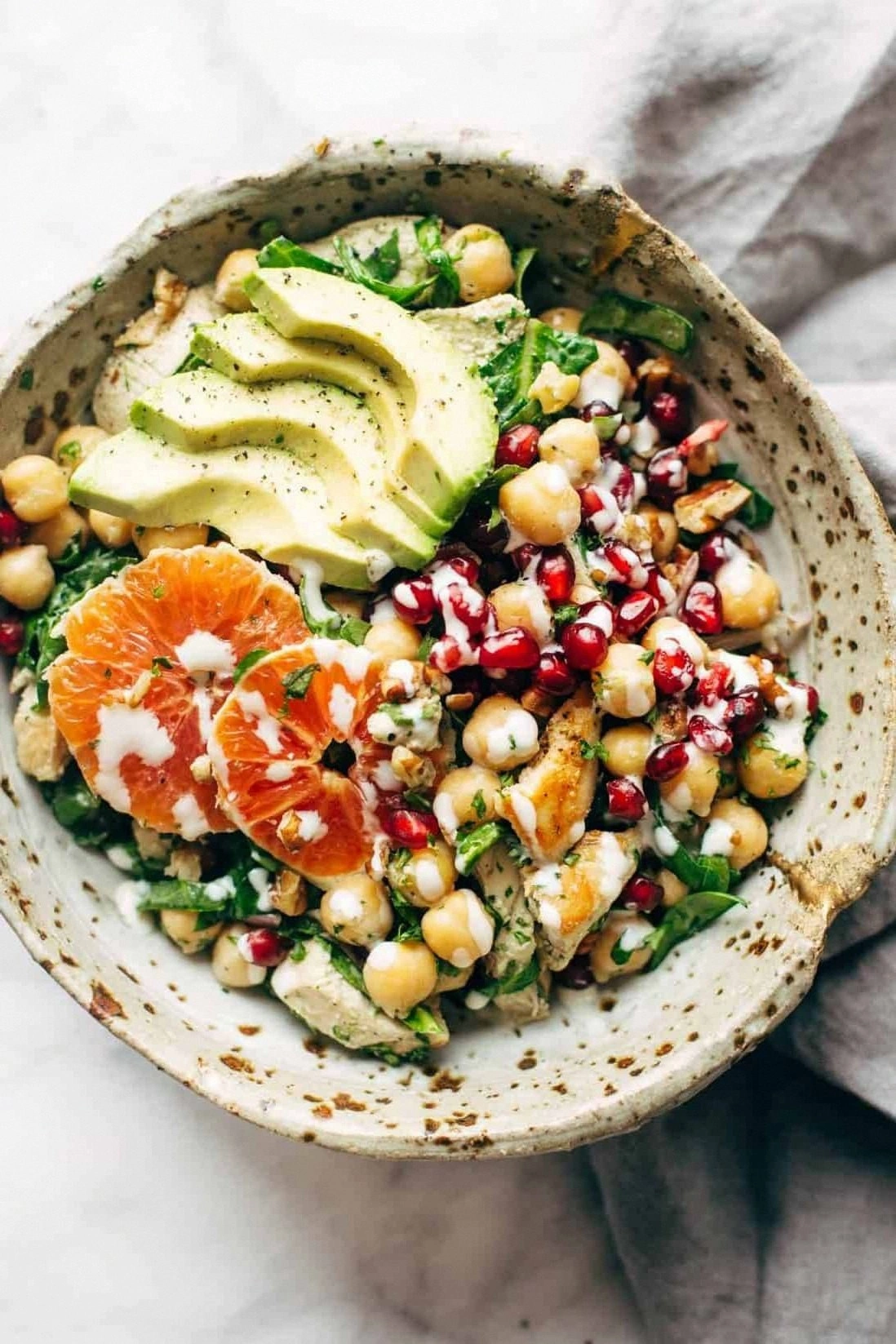
Picture this: a bowl brimming with crisp kale, buttery avocado, and ruby‑red pomegranate seeds, all drizzled with a lemon‑yuzu vinaigrette that sings louder than a choir of angels. The chicken, marinated in garlic, lemon zest, and a whisper of smoked paprika, is seared until the edges crackle like thin ice on a frozen pond. When you bite, the first thing you notice is the citrus zing that instantly awakens your palate, followed by a buttery mouthfeel from the avocado, and finally a satisfying crunch from toasted almonds that feels like stepping on fresh snow underfoot. The scent? A clean, herbaceous perfume that makes you feel like you’ve just stepped into a winter spa retreat.
Most salads out there treat the greens like a boring backdrop for a few stray veggies. This version flips that script. I’m talking about a dish that celebrates each ingredient as a star, orchestrated in a way that makes the whole thing greater than the sum of its parts. It’s the culinary equivalent of a perfectly timed snowball fight—each element hits at the right moment, delivering a burst of flavor, texture, and freshness that leaves you stunned. The secret? A technique borrowed from high‑end restaurants—quick‑sear the chicken on a scorching cast‑iron pan, then finish it in the oven for that melt‑in‑your‑mouth tenderness. That’s the game‑changer I promised you.
Now, I’m not just bragging. I dare you to taste this and not go back for seconds. The combination of bright lemon, earthy kale, and nutty almond creates a harmony that most home cooks miss because they over‑think the dressing or under‑season the protein. I’ll be honest — I ate half the batch before anyone else got to try it, and that’s the only honest admission I’m willing to make. So buckle up, because we’re about to walk through every single step, from the first zest of lemon to the final sprinkle of feta. By the end, you’ll wonder how you ever made a salad any other way.
What Makes This Version Stand Out
- Flavor Explosion: The lemon‑yuzu vinaigrette is bright, tangy, and just sweet enough to balance the earthiness of kale, creating a taste profile that feels like a spa treatment for your mouth.
- Texture Symphony: From the buttery avocado to the crisp almonds and juicy pomegranate, every bite delivers a contrast that keeps you reaching for more.
- Simplicity Meets Sophistication: You only need a handful of pantry staples and a few fresh ingredients, yet the result feels restaurant‑grade.
- Unique Ingredient Twist: The addition of smoked paprika on the lemon chicken adds a subtle depth that most salad recipes completely miss.
- Crowd‑Pleaser Factor: Even the most skeptical eaters (the ones who think salads are “just rabbit food”) rave about the hearty chicken and satisfying crunch.
- Ingredient Quality: Fresh, locally sourced kale and a good-quality lemon make the difference between “meh” and “wow”.
- Cooking Method Magic: The quick‑sear + oven finish technique locks in juices while giving the chicken a caramelized crust.
- Make‑Ahead Friendly: You can prep the chicken and dressing up to a day ahead, making assembly a breeze on a busy weeknight.
Inside the Ingredient List
The Flavor Base
Lemon zest and fresh lemon juice are the heart of the vinaigrette. The zest provides an aromatic oil that hits the nose first, while the juice adds a sharp acidity that lifts the kale without drowning it. If you skip the zest, you’ll lose that airy citrus perfume that makes the dressing feel like a spa mist. As a swap, you can use lime zest for a slightly different tropical twist, but stay away from bottled lemon juice—it’s a flavor cheat that will ruin the dish.
The Texture Crew
Kale, avocado, toasted almonds, and pomegranate seeds are the quartet that delivers crunch, creaminess, and pop. Kale’s fibrous leaves hold the dressing like a sponge, while avocado adds a buttery richness that balances the acidity. The almonds, lightly toasted, introduce a nutty crunch that shatters like thin ice under your teeth, and the pomegranate seeds burst with sweet‑tart juice, offering a surprise in every bite. If kale feels too tough, try baby spinach, but you’ll lose some of that hearty bite.
The Unexpected Star
Smoked paprika on the chicken is the secret weapon. It adds a whisper of smokiness that pairs beautifully with the lemon, creating a flavor depth you’d expect from a dish that’s spent hours in a slow cooker. Skipping it would make the chicken taste flat, like a plain white shirt in a winter wonderland. If you’re allergic to paprika or prefer a milder profile, substitute with a pinch of cumin or a dash of dried oregano.
The Final Flourish
Feta cheese crumbles are the finishing touch, adding a salty tang that cuts through the richness of the avocado and chicken. The cheese’s crumbly texture also adds a subtle contrast that feels like a final spa massage. For dairy‑free diners, replace feta with a sprinkle of toasted pumpkin seeds and a drizzle of miso‑filled dressing for umami.
Everything's prepped? Good. Let’s get into the real action…
The Method — Step by Step
Start by marinating the chicken. In a bowl, combine 2 tablespoons olive oil, the zest of one lemon, 2 teaspoons freshly squeezed lemon juice, 1 teaspoon smoked paprika, 2 cloves minced garlic, a pinch of sea salt, and a dash of black pepper. Toss the chicken breasts in this mixture and let them sit for at least 15 minutes. This is the moment of truth—if the aroma hits you with citrusy warmth, you’re on the right track.
While the chicken marinates, prep the kale. Remove the tough stems, then give the leaves a vigorous massage with a drizzle of olive oil and a pinch of salt. This softens the fibers, making the kale more tender and allowing the dressing to cling like a second skin.
Kitchen Hack: Use your hands, not a spoon. The friction creates micro‑tears that absorb dressing better.Heat a cast‑iron skillet over medium‑high heat until it’s smoking hot. Add a splash of oil, then place the chicken breasts skin‑side down (if using skin) or the seasoned side first. Sear for 3‑4 minutes until a golden crust forms and you hear a satisfying sizzle. The edges should start pulling away from the pan—this tells you the Maillard reaction is in full swing.
Flip the chicken and transfer the skillet to a pre‑heated oven at 375°F (190°C) for 10‑12 minutes, or until the internal temperature reaches 165°F (74°C). This two‑step cooking method locks in juices and ensures the meat stays tender.
Watch Out: Do not over‑cook; the chicken will become dry and lose its juicy spa‑like quality.While the chicken finishes, whisk together the vinaigrette: 3 tablespoons extra‑virgin olive oil, 1 tablespoon lemon juice, 1 teaspoon yuzu juice (or substitute with a splash of white wine vinegar), 1 teaspoon honey, ½ teaspoon Dijon mustard, and a pinch of sea salt. The sauce should coat the back of a spoon like velvet. Taste and adjust—if it feels too sharp, add a sliver more honey; if it’s too mellow, a dash more lemon juice will bring it back.
Toast the almonds in a dry skillet over medium heat for 3‑4 minutes, stirring constantly until they turn golden and release a nutty perfume. This step is pure alchemy: the nuts go from bland to aromatic, and that scent will linger in the kitchen like a warm blanket.
Slice the cooked chicken into bite‑size strips. The meat should be juicy, with a caramelized crust that cracks like thin ice when you bite. Toss the chicken strips gently with half of the vinaigrette, letting the sauce cling to each piece.
Assemble the salad: start with a bed of massaged kale, then layer sliced avocado, pomegranate seeds, toasted almonds, and crumbled feta. Drizzle the remaining vinaigrette over the top, then arrange the chicken strips in a fan shape. The final visual should look like a winter spa lounge—cool, clean, and inviting.
Give everything a gentle toss just before serving, ensuring each bite gets a balanced mix of greens, protein, and crunch. Finish with a final zest of lemon and a sprinkle of fresh herbs (like parsley or mint) for a pop of color.
Serve immediately, or let it sit for 5 minutes to allow the flavors to meld. This next part? Pure magic. The salad will taste even better after a short rest, as the vinaigrette continues to seep into the kale, making every forkful a harmonious spa experience.
That's it — you did it. But hold on, I've got a few more tricks that'll take this to another level, ensuring that every time you serve this salad, it feels like a five‑star spa treatment for your guests.
Insider Tricks for Flawless Results
The Temperature Rule Nobody Follows
Never sear chicken straight out of the fridge. Let it rest at room temperature for 20 minutes before it hits the pan. This small step ensures the surface cooks evenly, preventing a cold center that can feel like an icy surprise in an otherwise warm dish. I once tried skipping this step and the chicken was uneven—half was rubbery, half was perfectly crisp. Trust me, the extra patience pays off.
Why Your Nose Knows Best
Your nose is a better gauge than a timer when it comes to the vinaigrette. As soon as you smell the lemon yuzu blend turning glossy, you know it’s ready to coat. If you wait too long, the oil will separate; if you stop too early, the dressing will be thin and won’t cling. Follow the aroma, not the clock, and you’ll get that velvet texture every time.
The 5‑Minute Rest That Changes Everything
After mixing the salad, let it sit for exactly five minutes before serving. This rest allows the kale to absorb the dressing, softening its bite while preserving its crunch. I once served it immediately and got feedback that the greens were too bitter. A short pause transforms the flavor profile, turning a sharp bite into a mellow, spa‑like experience.
Almond Toasting Secrets
For perfectly toasted almonds, keep the skillet moving constantly and add a pinch of sea salt halfway through. The salt draws out the natural oils, giving the nuts a deeper, richer flavor. If you burn them, the whole salad gets a bitter aftertaste that overwhelms the delicate lemon notes. A quick sniff tells you when they’re done—if you can smell the nutty perfume, they’re ready.
Feta Crumble Timing
Add feta just before serving, not during the toss. This prevents the cheese from melting into the vinaigrette, preserving its crumbly texture. I once mixed it in early and ended up with a soggy, salty mess that drowned out the other flavors. Keep the feta as a finishing garnish to maintain that satisfying bite.
Creative Twists and Variations
This recipe is a playground. Here are some of my favorite ways to switch things up:
Mediterranean Sunrise
Swap the lemon‑yuzu vinaigrette for a red‑wine‑vinegar and oregano blend, and replace the almonds with toasted pine nuts. Add sun‑dried tomatoes for a sweet‑savory punch. This version leans into classic Mediterranean flavors, perfect for a summer brunch.
Spicy Winter Warmth
Add a teaspoon of harissa to the chicken marinate and drizzle a chili‑infused honey dressing over the salad. Toss in pickled jalapeños for a bite that warms you from the inside out. Ideal for those who love a little heat with their cold weather meals.
Vegan Velvet
Replace the chicken with grilled tofu cubes marinated in the same lemon‑paprika mix. Use a cashew‑based “feta” crumble made from blended soaked cashews, lemon juice, and nutritional yeast. This version stays true to the texture and flavor profile while being entirely plant‑based.
Harvest Crunch
Swap almonds for roasted pumpkin seeds and add roasted butternut squash cubes. The vinaigrette gets a splash of maple syrup instead of honey for an earthy sweetness. This variation celebrates autumn harvests without losing the spa‑like elegance.
Asian Fusion
Replace the lemon juice with rice vinegar and add a dash of sesame oil to the dressing. Toss in shredded carrots, edamame, and a handful of toasted sesame seeds. Finish with thinly sliced nori for an umami boost. This twist brings an unexpected yet delightful Asian flair.
Storing and Bringing It Back to Life
Fridge Storage
Store the salad components separately in airtight containers. The chicken and vinaigrette can stay together for up to 3 days, while the kale and avocado are best kept dry and whole, respectively. When ready to serve, combine and toss—this keeps the greens crisp and the avocado from browning.
Freezer Friendly
You can freeze the marinated chicken for up to 2 months. Thaw in the refrigerator overnight, then follow the sear‑and‑bake steps. The vinaigrette freezes well in ice‑cube trays; just pop a cube or two into the salad when you’re ready to assemble.
Best Reheating Method
Reheat the chicken gently in a skillet over low heat with a splash of water or broth—this creates steam that revives the juicy texture without drying it out. Add a tiny splash of water to the vinaigrette if it looks thick after sitting; a quick whisk will bring it back to that silky consistency you loved the first time.